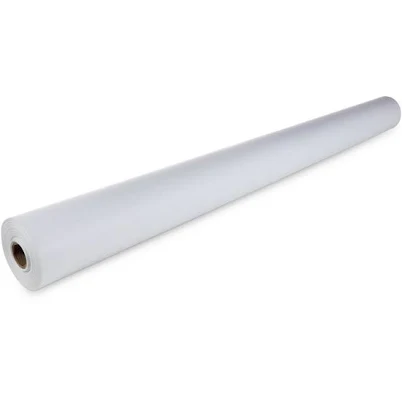
IDL Packaging · Grease-Resistant Butcher & Deli Paper
Idl Packaging White Butcher Paper 18" x 12000" Natural Butcher Paper Roll for Meat and Fish
Brand PFAS statement on record, which we have not verified.
IDL Packaging describes these grease-proof paper sheets as PFAS-free and uncoated. We record that as an unverified brand claim.
Brand says: “IDL Packaging describes these grease-proof paper sheets as PFAS-free and uncoated.”
We flunk more products than we pass. This one earned its grade. How we grade
Material
unbleached natural kraft paper
Brand disclosure
Brand claims PFAS-free
Lab data
No public lab test
You may also be interested in
Top-graded picks in the categories readers replace first, every one scored on the same rubric.

- polypropylene filter housing, carbon/sediment cartridge
- We found no PFAS statement from the brand
- Bacterial growth in spent cartridges
3 hazards checked on this product, all on its full breakdown.

Aquasure
Premier Series 75 GPD Under Sink Reverse Osmosis Water Filtration System
- RO membrane, carbon filters, stainless steel housing
- We found no PFAS statement from the brand
- Bacterial and microbial growth in housing and filters
4 hazards checked on this product, all on its full breakdown.

Avocado
Vegan Mattress
- organic cotton, natural latex, coconut coir, recycled steel coils
- The brand calls it PFAS-free, which we have not verified
- Heavy metals
2 hazards checked on this product, all on its full breakdown.
What Idl Packaging White Butcher Paper 18" Fish is made of, ingredients and materials
IDL Packaging White Butcher Paper is unbleached natural kraft paper, meaning it is made from wood pulp without bleaching agents or whitening chemicals. Kraft paper is inherently grease-resistant due to its fiber structure and density, not from applied coatings. Unbleached versions avoid chlorine-based bleach residues and typically have minimal chemical additives, making this material well-suited for direct food contact.
What’s concerning
Category baseline
The starting point for this type of product, before anything specific to this product is counted.
Mold or microbial growth
Kraft paper can absorb moisture and support mold if stored in humid conditions or left damp. This is not a manufacturer defect but a storage and use-condition issue; keep rolls sealed and dry.
What’s reassuring
Brand-stated PFAS-free
The brand states this product is PFAS-free. We have not verified the claim.
Base material not linked to PFAS
The main material recorded for this product is not one associated with PFAS.
Bleach residues or whitening agents
This is explicitly unbleached natural kraft, so chlorine or oxygen-based whitening residues are not present. No reported contamination from bleaching byproducts in IDL's product line.
Ink or printing residues (if printed)
IDL's standard roll appears unprinted or minimally marked. If product-specific batches carry ink (branding, lot numbers), food-grade inks are industry standard; no recalls or complaints on record for this brand.
PFAS
IDL has stated this product is PFAS-free. Unbleached natural kraft does not require fluorochemical water resistance for typical food-wrap use, supporting this claim's plausibility, though independent verification is absent.
Source, ATSDR ↗Formaldehyde / VOCs
Kraft paper manufacturing does not use formaldehyde-based binders or sizing agents in standard food-grade products. No reported issues with IDL Packaging rolls.
Source, ATSDR ↗How is this PFAS grade calculated?
The brand's record and disclosure
IDL Packaging has made a public statement that this product is PFAS-free, addressing the growing concern over PFAS "forever chemicals" in food-contact papers. However, this statement has not been independently verified by third-party testing or certification bodies on record. The brand does not appear to hold major food-safety certifications (FDA approval for food contact is inherent to kraft paper; no NSF or similar endorsement is documented).
How it compares in its category
Standard butcher paper comes in two types, unbleached kraft (like this product) and bleached (whitened with chlorine or oxygen). Unbleached is generally considered the lower-chemical option; bleached papers carry minimal residual chlorine but are processed more heavily. IDL's unbleached positioning is typical of safety-conscious deli suppliers and compares favorably to coated or fluorochemical-treated papers, which have fallen out of favor due to PFAS concerns.
If you buy it
Store the roll in a cool, dry place away from moisture and direct sunlight to prevent mold and fiber degradation. Use for wrapping and storing meat and fish in refrigeration or freezing; kraft paper is not waterproof and will degrade if submerged or left wet. Replace rolls if paper tears, yellows significantly, or develops odors. Do not use for high-heat cooking or oven use beyond brief wrapping; unbleached kraft can char or release smoke at sustained temperatures above 420F.
What is not known about PFAS in this product?
- Basis
- Model estimate, 78% confidence, not a lab result
- Lab test
- None on record for this exact product
- Brand statement
- IDL Packaging has made a specific claim
Formulations change between production runs, so check the current label. How we grade.
More grease-resistant butcher & deli paper grades
How we score, every product runs through the same public 0-100 rubric based on materials, coatings, brand disclosure, lab findings, and recalls. See the full methodology → Spotted a mistake? Report an error.