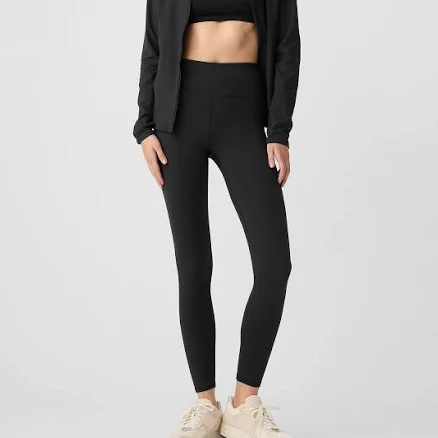
Gap Factory Women's Gapfit Sky High Studio Pocket Leggings
Lower concern; basic athletic leggings with no known PFAS triggers.
Performance leggings made from nylon and spandex with no disclosed water or stain treatment. Gap does not publicly address PFAS in this product, but the materials and absence of water-repellent coating finish present lower risk than treated technical apparel.
Still want this one anyway? Check the price on Amazon. We’d swap it.
Material
nylon, spandex blend, uncoated
Brand disclosure
Brand is silent on PFAS
Lab data
No public lab test
You may also be interested in
Top-graded picks in the categories readers replace first, every one scored on the same rubric.

Aqua Pure
3M Aqua-Pure AP802B Whole House Filter Housing
- polypropylene filter housing, carbon/sediment cartridge
- We found no PFAS statement from the brand
- Bacterial growth in spent cartridges
3 hazards checked on this product. See all of them.

Aquasure
Premier Series 75 GPD Under Sink Reverse Osmosis Water Filtration System
- RO membrane, carbon filters, stainless steel housing
- We found no PFAS statement from the brand
- Bacterial and microbial growth in housing and filters
4 hazards checked on this product. See all of them.

Avocado
Vegan Mattress
- organic cotton, natural latex, coconut coir, recycled steel coils
- The brand calls it PFAS-free, which we have not verified
- Heavy metals
2 hazards checked on this product. See all of them.
What Gap Factory Women's Gapfit Sky High is made of, ingredients and materials
These leggings are a nylon and spandex blend, a common, well-characterized combination in performance athletic wear. Nylon is a synthetic polyamide fiber that does not inherently release toxic compounds during normal wear or laundering at typical temperatures. Spandex (elastane) adds stretch and recovery; neither material is known to shed microplastics or volatile organic compounds under normal athletic use. The uncoated designation means no waterproofing, stain-resistance, or antimicrobial coating has been applied, eliminating a common source of added chemical finishes.
What’s concerning
Category baseline
The starting point for this type of product, before anything specific to this product is counted.
No PFAS disclosure
No public statement from the brand about PFAS in this product.
Azo dyes and restricted azo compounds
The product's color origin (dyes or pigments used) is not disclosed. Athletic leggings are commonly dyed with azo or reactive dyes; absent Gap's restricted substance certification, low-risk azo dyes cannot be confirmed, though hazardous azo compounds (those cleaving to carcinogenic amines) are increasingly restricted industry-wide.
Microplastic shedding
Nylon and spandex fibers can shed microplastics during washing, though the extent depends on fabric construction, density, and wash intensity. This product has no published testing data; standard athletic leggings shed at rates typical for synthetic blends, not elevated.
Allergic contact dermatitis from dyes or finishes
Synthetic fiber leggings occasionally trigger contact dermatitis in sensitive individuals, typically from residual dyes or processing chemicals. No specific adverse reports for this product are documented, but patch testing or prewashing may reduce risk for sensitive users.
What’s reassuring
Base material not linked to PFAS
The main material recorded for this product is not one associated with PFAS.
Formaldehyde / VOCs
No evidence that Gapfit leggings are treated with formaldehyde-releasing resins for wrinkle resistance or color setting. Nylon and spandex blends in athletic wear rarely receive such finishes; standard production does not require this step.
Source, ATSDR ↗Antimony in polyester or synthetic fibers
Antimony is a catalyst in polyester production but not used in nylon or spandex synthesis. This product contains no polyester, so antimony contamination from fiber production is not a concern.
The full breakdown
The brand's record and disclosure
Gap Inc. has not published a detailed chemical inventory or restricted substance list specific to Gapfit line products as of available public records. The brand has signed the Sustainable Apparel Coalition's Higg initiative but does not disclose formaldehyde-resin finish levels, azo-dye restrictions, or antimony content in polyester components on product labels or in marketing materials. No recalls or safety complaints specific to Gapfit leggings for chemical hazards are documented in public databases.
How it compares in its category
Nylon-spandex blends are standard in athletic leggings across price points and brands; this product sits in a mid-market position. Competitors in the same category (Old Navy, Athleta, Banana Republic activewear) use similar material compositions without higher disclosure. High-end brands (Lululemon, Nike) often publish restricted substance or bluesign certification claims, offering more transparency but at a cost premium; commodity athletic wear typically discloses less.
If you buy it
Wash in cool to warm water (below 40 C / 104 F) to preserve spandex elasticity and minimize any potential fiber stress. Avoid chlorine bleach and fabric softeners, which can degrade elastane fibers. Air dry; tumble drying on high heat accelerates elastane degradation and should be limited to extend product life. Replace when waistband, seams, or pocket reinforcement show visible wear or loss of elasticity, typically after 50 to 100 wash cycles depending on use intensity.
What we don’t know
- Basis
- Model estimate, 72% confidence, not a lab result
- Lab test
- None on record for this exact product
- Brand statement
- Gap Fit has made none
Formulations change between production runs, so check the current label. How we grade.
More activewear grades
How we score, every product runs through the same public 0-100 rubric based on materials, coatings, brand disclosure, lab findings, and recalls. See the full methodology → Spotted a mistake? Report an error.