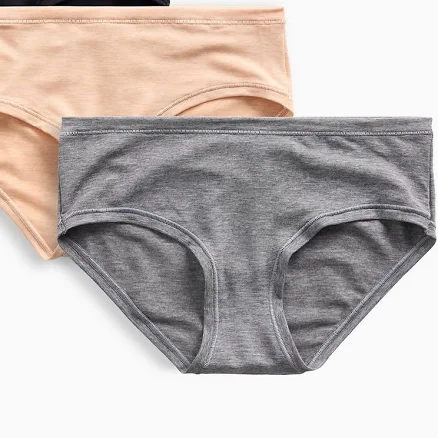
Gap · Sports Performance Undergarments
Gap Women's Breathe Hipster Underwear 3-Pack
Lower PFAS concern. Bare cotton underwear unlikely to contain intentional PFAS.
These basic cotton-elastane hipster boxer briefs lack water-resistant or stain-resistant claims. Gap makes no PFAS disclosures, and the simple uncoated construction carries lower inherent risk.
Still want this one anyway? Check the price on Amazon. We’d swap it.
Material
cotton, elastane blend, uncoated fabric
Brand disclosure
Brand is silent on PFAS
Lab data
No public lab test
What Gap Women's Breathe Hipster Underwear is made of, ingredients and materials
This product is primarily cotton with elastane (spandex) blended in for stretch. Cotton is a natural fiber with low intrinsic toxicity, but elastane is a synthetic polyurethane polymer that can potentially shed microfibers with wear and washing. The uncoated fabric construction means no added water-repellent, stain-resistant, or antimicrobial finishes that would introduce additional chemical treatments. For intimate apparel, this minimalist approach to finishing reduces exposure to chemical treatments common in performance or treated fabrics.
What’s concerning
Category baseline
The starting point for this type of product, before anything specific to this product is counted.
No PFAS disclosure
No public statement from the brand about PFAS in this product.
Formaldehyde / VOCs
Gap does not publish chemical test results or restricted substance list compliance for this product line. Cotton textiles are sometimes finished with formaldehyde-based resins for wrinkle resistance or sizing; colored fabrics may contain non-restricted azo dyes. No recall or confirmed detection in Gap underwear exists on public record.
Source, ATSDR ↗Microfiber shedding from elastane
Elastane (spandex) fibers are known to shed microplastics during washing and wear across all brands. This product's elastane blend will generate microfibers; the extent depends on elastane percentage (typically 5-20%), quality, and wash temperature. Microfiber release from underwear is lower volume than activewear but occurs nonetheless.
Allergenic finishes and residual manufacturing chemicals
Unfamiliar skin reactions to new underwear may result from residual sizing chemicals, lubricants used during manufacturing, or finish resins rather than the fabric itself. Pre-washing and choosing unbleached or minimally finished options reduce this risk, but Gap's standard product line does not specify finish composition.
What’s reassuring
Base material not linked to PFAS
The main material recorded for this product is not one associated with PFAS.
Heavy metals
No testing or recall indicates heavy metal contamination in Gap basic cotton underwear. Risk exists theoretically in pigmented fabrics if dyes are sourced from uncontrolled suppliers, but Gap's scale and supplier auditing make severe contamination unlikely and undocumented.
Source, FDA ↗Antimony in polyester elastic (if present)
Elastane itself does not typically contain antimony; this hazard is primary to polyester. Gap's elastane-blend construction avoids polyester as the main fiber, so antimony exposure is not a credible concern for this specific product.
The full breakdown
The brand's record and disclosure
Gap Inc. does not publicly disclose detailed chemical compliance or restricted substance lists specific to basic underwear lines, and maintains a largely silent stance on PFAS and hazardous chemical use in textiles. The brand has faced historical labor and supply-chain transparency criticisms but has not been linked to major recalls or confirmed chemical contamination in basic cotton products. Gap maintains general sustainability messaging but lacks third-party certifications (OEKO-TEX, GOTS) that would independently verify absence of harmful dyes, resins, or heavy metals in finished apparel.
How it compares in its category
Basic cotton-elastane underwear is among the lowest-risk intimate apparel options; it avoids synthetic microfiber fabrics (polyester, nylon) and elastic-heavy construction that increase microfiber shedding. Certified organic cotton or OEKO-TEX certified alternatives offer stronger third-party assurance against formaldehyde resins and azo dye use, but Gap's mainstream offering carries no such guarantee. For an unbranded mass-market product at this price point, chemical risk profile is typical and unremarkable.
If you buy it
Wash in cool water and dry on low heat to minimize elastane degradation and microfiber release. Replace underwear every 1 to 2 years or when elastic loses tension or fabric shows pilling or thinning; elastane typically begins losing elasticity around this timeline. Avoid bleach and fabric softeners, which can accelerate synthetic fiber breakdown. If you have sensitive skin or chemical sensitivities, a pre-wash in plain water before first wear may help remove any residual finishing chemicals from manufacturing.
What we don’t know
- Basis
- Model estimate, 78% confidence, not a lab result
- Lab test
- None on record for this exact product
- Brand statement
- Gap has made none
Formulations change between production runs, so check the current label. How we grade.
More sports performance undergarments grades
How we score, every product runs through the same public 0-100 rubric based on materials, coatings, brand disclosure, lab findings, and recalls. See the full methodology → Spotted a mistake? Report an error.