Puma · Sports Performance Undergarments
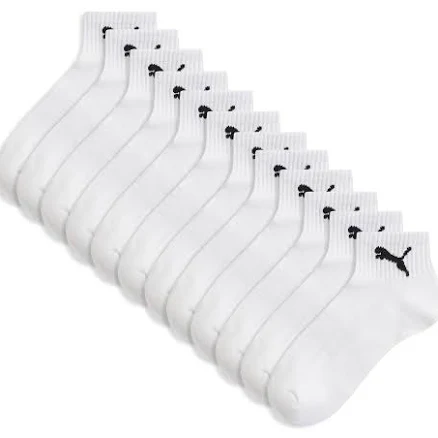
PUMA Women's Quarter Crew Socks (6 Pairs)
Lower PFAS concern; basic untreated socks without water resistance.
Standard quarter crew socks lack water-repellent coating or stain-resistant treatments. Cotton-polyester blend poses lower PFAS risk compared to coated or treated apparel.
Still want this one anyway? Check the price on Amazon. We’d swap it.
Material
Cotton/polyester blend socks, no waterproofing
Lab data
No public lab test
You may also be interested in
Top-graded picks in the categories readers replace first, every one scored on the same rubric.

- polypropylene filter housing, carbon/sediment cartridge
- We found no PFAS statement from the brand
- Bacterial growth in spent cartridges
3 hazards checked on this product, all on its full breakdown.

Aquasure
Premier Series 75 GPD Under Sink Reverse Osmosis Water Filtration System
- RO membrane, carbon filters, stainless steel housing
- We found no PFAS statement from the brand
- Bacterial and microbial growth in housing and filters
4 hazards checked on this product, all on its full breakdown.

Avocado
Vegan Mattress
- organic cotton, natural latex, coconut coir, recycled steel coils
- The brand calls it PFAS-free, which we have not verified
- Heavy metals
2 hazards checked on this product, all on its full breakdown.
What PUMA Women's Quarter Crew Socks (6 Pairs) is made of, ingredients and materials
These socks are a cotton-polyester blend without water-repellent or antimicrobial coatings, which eliminates the need for PFAS-based finishes or other performance chemistry. Cotton provides breathability and comfort; polyester adds durability and shape retention. The absence of special finishes means lower chemical processing overall, though polyester itself is a synthetic material that sheds microfibers with wear and washing.
What’s concerning
Category baseline
The starting point for this type of product, before anything specific to this product is counted.
No PFAS disclosure
No public statement from the brand about PFAS in this product.
Azo dyes
Cotton-polyester socks are typically dyed with azo compounds, which can release carcinogenic amines if degraded under certain conditions. No specific testing data for Puma's socks is publicly available, but standard textile azo dye regulations in EU and OEKO-TEX certification cover most Western brands. Pre-washing reduces loose dye.
Formaldehyde / VOCs
Basic socks may contain trace formaldehyde-release resins used to improve wrinkle resistance or shape retention in polyester blends. Levels are typically low in untreated casual socks, but full ingredient disclosure is absent from Puma's product documentation. Direct skin contact during wear poses minimal exposure risk.
Source, ATSDR ↗Microplastic shedding
Polyester socks shed microfibers with every wash and wear cycle; this is a well-established environmental and indirect ingestion concern, though not a direct toxicity hazard from the garment itself. Higher-quality polyester and lower-intensity washing reduce shedding. No brand-specific mitigation is documented for this product.
What’s reassuring
Base material not linked to PFAS
The main material recorded for this product is not one associated with PFAS.
Antimony in polyester
Antimony is used as a catalyst in polyester production and can remain as a trace contaminant. No recalls or documented leaching concerns specific to Puma socks have been reported. Industry data suggests residual antimony in polyester fibers does not migrate into sweat or cause harm during normal wear.
Flame retardants
Casual socks are not regulated fabric products requiring flame retardant treatment, and Puma does not advertise flame-resistant socks in this category. No flame retardant chemistry is expected or reported for standard quarter crew socks.
Source, EPA ↗How is this PFAS grade calculated?
The brand's record and disclosure
Puma has not made public commitments to eliminate PFAS in casual apparel, and specific ingredient disclosure for socks is minimal on their website. The brand has faced scrutiny on labor and environmental practices in manufacturing, but no major chemical safety recalls on basic socks have been documented. Standard textile certifications (OEKO-TEX or similar) are not typically advertised for this price-point product line.
How it compares in its category
Basic cotton-polyester blend socks are a low-risk category because they lack water-resistant finishes, antimicrobial treatments, and flame-retardant chemistry that drive chemical concerns in performance textiles. This product sits in the mainstream consumer segment; premium or specialty socks (moisture-wicking, antimicrobial, treated for odor) often carry additional chemical processing. Puma's positioning and price point suggest standard dyeing and finishing, not advanced treatments.
If you buy it
Wash in cool to warm water and dry normally; no special handling needed. Polyester microfiber shedding during wash is inherent to the material and not avoidable, though it is not a direct health hazard from wearing. Replace socks when elastic degrades or fibers pill excessively (typically 1-2 years of regular wear). If sensitive to dyes, wash before first wear to reduce loose dye transfer.
What is not known about PFAS in this product?
- Basis
- Model estimate, 82% confidence, not a lab result
- Lab test
- None on record for this exact product
- Brand statement
- Puma has made a specific claim
Formulations change between production runs, so check the current label. How we grade.
More sports performance undergarments grades
How we score, every product runs through the same public 0-100 rubric based on materials, coatings, brand disclosure, lab findings, and recalls. See the full methodology → Spotted a mistake? Report an error.