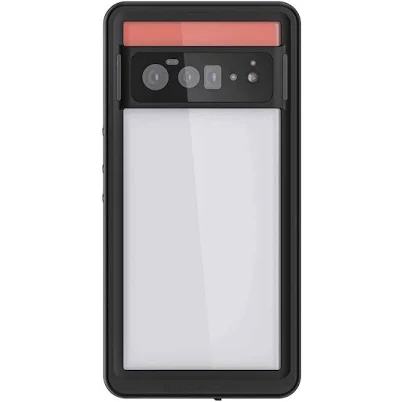
Ghostek · Waterproof Phone Cases
Ghostek Google Pixel 6 Waterproof, NAUTICAL slim
No coating described, and no PFAS statement from the brand.
The product information we reviewed describes thermoplastic elastomer (TPE), with no water-repellent coating named. Water resistance on products like this usually comes from the material and its seals rather than a surface treatment. The brand has published no PFAS statement for it.
We flunk more products than we pass. This one earned its grade. How we grade
Material
Thermoplastic elastomer (TPE)
Brand disclosure
Brand is silent on PFAS
Lab data
No public lab test
You may also be interested in
Top-graded picks in the categories readers replace first, every one scored on the same rubric.

- polypropylene filter housing, carbon/sediment cartridge
- We found no PFAS statement from the brand
- Bacterial growth in spent cartridges
3 hazards checked on this product, all on its full breakdown.

Aquasure
Premier Series 75 GPD Under Sink Reverse Osmosis Water Filtration System
- RO membrane, carbon filters, stainless steel housing
- We found no PFAS statement from the brand
- Bacterial and microbial growth in housing and filters
4 hazards checked on this product, all on its full breakdown.

Avocado
Vegan Mattress
- organic cotton, natural latex, coconut coir, recycled steel coils
- The brand calls it PFAS-free, which we have not verified
- Heavy metals
2 hazards checked on this product, all on its full breakdown.
What Ghostek Google Pixel 6 NAUTICAL slim is made of, ingredients and materials
This case is thermoplastic elastomer (TPE), a synthetic rubber polymer that is inherently water-resistant without added coatings. TPE does not require Teflon-type coating, PVC plasticizers, or fluorinated treatments to achieve its waterproof rating, which relies instead on material density and precision sealing around ports and buttons. TPE is chemically inert once cured and does not typically leach into food or skin contact under normal phone-case use. No glazes, enamels, or ceramic coatings are present that would introduce lead or cadmium risk.
What’s concerning
Category baseline
The starting point for this type of product, before anything specific to this product is counted.
No PFAS disclosure
No public statement from the brand about PFAS in this product.
TPE material degradation over time
Thermoplastic elastomers can stiffen, crack, or lose water-seal integrity after 2-3 years of use or exposure to UV light and heat. Cracks allow liquid ingress and may expose phone electronics.
Port seal leakage if improperly maintained
Dust, lint, or dried adhesive in charging or audio ports can prevent seals from seating correctly, compromising waterproof rating. User responsibility to clean ports before sealing case.
VOC or odor off-gassing
New TPE cases may emit a faint plastic odor for the first few weeks as residual volatile compounds dissipate. This is cosmetic rather than a health hazard but indicates incomplete curing or lower-grade polymer.
What’s reassuring
Base material not linked to PFAS
The main material recorded for this product is not one associated with PFAS.
BPA & bisphenols
TPE does not typically contain BPA or plasticizers of concern. No lead, cadmium, or antimony hazards are known for this material class in phone cases under normal use.
Source, FDA ↗Flame retardants
Ghostek does not publicly apply antimicrobial or brominated flame retardants to this model. Seals are mechanical, not chemical.
Source, EPA ↗How is this PFAS grade calculated?
The brand's record and disclosure
Ghostek has no public PFAS disclosure or third-party certification (e.g., Cradle to Cradle, OEKO-TEX) on record for this model. The brand does not appear in major chemical-hazard recalls or litigation databases for phone cases. Ghostek's website does not detail material sourcing or safety testing for the Nautical line, which is typical for mass-market case makers but limits independent verification of supply-chain practices.
How it compares in its category
Waterproof phone cases typically use TPE, silicone, or polyurethane, all of which avoid Teflon-type coating-based coatings. The Nautical slim sits in the mainstream segment; some premium competitors (e.g., OtterBox Defender, LifeProof) publish more detailed material specs and certifications, while budget alternatives may use lower-grade TPE or undisclosed rubbers. TPE cases are generally less prone to odor or off-gassing than polyurethane, making this material a lower concern choice for these specific issues.
If you buy it
Keep the case dry internally by shaking out moisture after submersion and allowing it to air-dry completely before use. Avoid prolonged exposure to direct sunlight or heat above 60°C (140°F), which can degrade TPE elasticity over time. Inspect seals and gaskets annually for cracks or hardening; replace the case if seals no longer compress or if water begins to seep in. Hand-wash with soap and water; do not use solvents, bleach, or harsh cleaners, which can weaken TPE.
What is not known about PFAS in this product?
- Basis
- Model estimate, 35% confidence, not a lab result
- Lab test
- None on record for this exact product
- Brand statement
- Ghostek has made none
Formulations change between production runs, so check the current label. How we grade.
What are the PFAS-free alternatives to Ghostek Google Pixel 6 Waterproof, NAUTICAL slim?
- Flax fiber and plant-based resin blend, compostable
- A third party reports verifying it as PFAS-free
- Coating degradation and durability over time
2 hazards checked on this product, all on its full breakdown.
- plant-based bioplastic (flax and other plant fibers)
- A third party reports verifying it as PFAS-free
- Thermal degradation and warping
3 hazards checked on this product, all on its full breakdown.
- Plant-based bioplastic (compostable blend)
- A third party reports verifying it as PFAS-free
- Bioplastic degradation and microparticle shedding
More waterproof phone cases grades
How we score, every product runs through the same public 0-100 rubric based on materials, coatings, brand disclosure, lab findings, and recalls. See the full methodology → Spotted a mistake? Report an error.