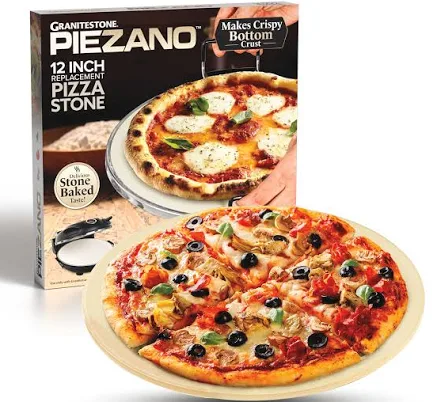
Granitestone · Pizza Stones & Baking Surfaces
As Seen On Tv Granitestone Piezano Replacement Stone
Skip until brand clarifies coating chemistry and PFAS status.
Granite Ware's 'stone' cookware line markets a mineral-look nonstick surface but doesn't disclose coating type or PFAS presence. The vague 'stone' branding obscures actual binder and Teflon-family coating content.
The better-graded swap
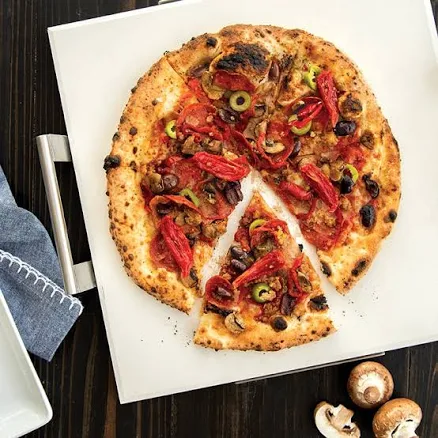
Deluxe Square Pizza Stone with Rack
90/100 safety
Same rubric that flunked this product. The swap earned Excellent.
Still want this one anyway? Check the price on Amazon. We’d swap it.
Material
Stone-derived ceramic/mineral coating (unspecified)
Brand disclosure
Brand is silent on PFAS
Lab data
No public lab test
Is As Seen On Tv Granitestone Piezano non-toxic? What it is made of
The Granitestone Piezano uses a ceramic or stone-derived mineral coating applied over a substrate base, marketed as non-stick. Granite Ware does not publicly disclose the specific formulation of this coating, including binders, release agents, or any fluorinated compounds. Pizza stones in this category typically rely on high-temperature mineral glazes; the chemistry of THIS product's coating remains opaque, making independent hazard assessment incomplete.
What’s concerning
Category baseline
The starting point for this type of product, before anything specific to this product is counted.
Vague safety claims only
Uses vague language ("eco-friendly", "clean") without a specific PFAS statement.
Non-stick, chemistry undisclosed
Marketed as non-stick without stating the coating chemistry.
Coating degradation and leaching
Ceramic or stone-derived coatings can flake or degrade with repeated use and cleaning, potentially releasing mineral particles or binders into food. No specific testing of this product's stability is on record.
PFAS
The brand's silence on coating chemistry and PFAS status, combined with the product's non-stick marketing, raises unresolved questions. Until formulation is disclosed, presence cannot be ruled out.
Source, ATSDR ↗Thermal shock and cracking
Ceramic or stone-composite materials are susceptible to cracking if moved directly from freezer to high heat or exposed to sudden temperature changes, creating sharp edges and potential ceramic ingestion.
What’s reassuring
Lead
No recalls or alerts for lead/cadmium contamination in this model are documented. Modern ceramic cookware typically meets FDA limits, but Granite Ware has not published compliance data for this line.
Source, ATSDR ↗Off-gassing from binders or adhesives
No reported off-gassing complaints are on record for this product. Undisclosed binders in the coating could theoretically emit volatiles at high temperature, but no public testing confirms this.
The full breakdown
The brand's record and disclosure
Granite Ware is a legacy cookware brand (established 1970s) with limited modern transparency on material safety data sheets or third-party certifications. The company has not issued public statements on PFAS content or coating chemistry for this line. No recalls specifically tied to this model are on record, but the absence of proactive disclosure is atypical for consumer cookware sold through major retailers today.
How it compares in its category
Pizza stone alternatives span natural stone (uncoated), ceramic-glazed, and proprietary non-stick coatings. Uncoated ceramic or natural stone requires no coating disclosure; this product's proprietary coating positions it as a convenience option but introduces chemical opacity competitors often address with certification or transparency. The 'As Seen On TV' distribution channel is associated with direct-to-consumer brands that historically lag in safety documentation versus retail brand standards.
If you buy it
Use at the manufacturer's stated temperature limits; ceramic coatings can degrade if overheated or subjected to thermal shock. Hand wash only if recommended; dishwasher use may accelerate coating wear. Inspect regularly for cracks, flaking, or discoloration indicating coating breakdown. Replace if coating visibly deteriorates. Request safety documentation from Granite Ware specifying PFAS status and coating ingredients before purchase if you have chemical sensitivities.
What we don’t know
- Basis
- Model estimate, 42% confidence, not a lab result
- Lab test
- None on record for this exact product
- Brand statement
- Granitestone has made none
Formulations change between production runs, so check the current label. How we grade.
Better-graded alternatives in Pizza Stones & Baking Surfaces
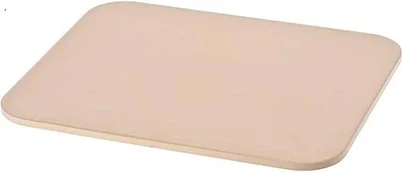
15-Inch Ceramic Pizza Stone for Perfect Crispy Crusts
- Ceramic (clay-based baking stone)
- The brand calls it PFAS-free, which we have not verified
- Glaze degradation and surface leaching
3 hazards checked on this product. See all of them.
Deluxe Square Pizza Stone with Rack
- ceramic or unglazed stone; no nonstick coating
- The brand calls it PFAS-free, which we have not verified
- Ceramic or stone cracking and fragmentation
2 hazards checked on this product. See all of them.
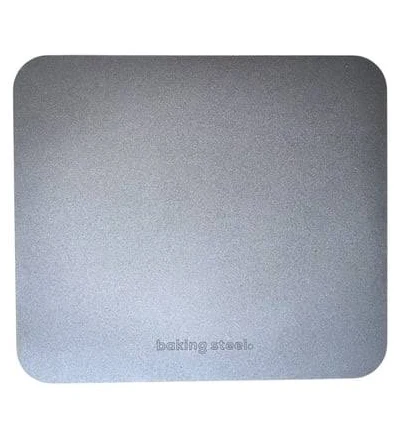
Baking Steel
The Original Ultra Conductive Pizza Stone
- carbon steel (bare metal, no coating)
- We found no PFAS statement from the brand
- Rust and corrosion
2 hazards checked on this product. See all of them.
More pizza stones & baking surfaces grades
How we score, every product runs through the same public 0-100 rubric based on materials, coatings, brand disclosure, lab findings, and recalls. See the full methodology → Spotted a mistake? Report an error.