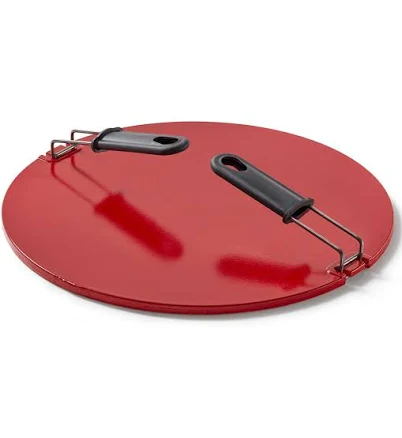
· Pizza Stones & Baking Surfaces
Easylife Tech Non-Stick Ceramic Pizza Stone for Grill and Oven with Handles, Are They Non-Toxic?
Ceramic non-stick likely lower PFAS risk, but no brand disclosure.
Ceramic coatings typically do not require PFAS, but the brand makes no explicit PFAS claims. Actual coating composition unconfirmed by public data.
The better-graded swap
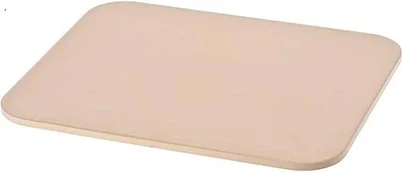
15-Inch Ceramic Pizza Stone for Perfect Crispy Crusts
90/100 safety
Same rubric that flunked this product. The swap earned Excellent.
Still want this one anyway? Check the price on Amazon. We’d swap it.
Material
ceramic non-stick coating
Brand disclosure
Brand is silent on PFAS
Lab data
No public lab test
You may also be interested in
Top-graded picks in the categories readers replace first, every one scored on the same rubric.

- polypropylene filter housing, carbon/sediment cartridge
- We found no PFAS statement from the brand
- Bacterial growth in spent cartridges
3 hazards checked on this product, all on its full breakdown.

Aquasure
Premier Series 75 GPD Under Sink Reverse Osmosis Water Filtration System
- RO membrane, carbon filters, stainless steel housing
- We found no PFAS statement from the brand
- Bacterial and microbial growth in housing and filters
4 hazards checked on this product, all on its full breakdown.

Avocado
Vegan Mattress
- organic cotton, natural latex, coconut coir, recycled steel coils
- The brand calls it PFAS-free, which we have not verified
- Heavy metals
2 hazards checked on this product, all on its full breakdown.
Are Easylife Tech Non-Stick Ceramic Handles non-toxic? What it is made of
This pizza stone uses a ceramic non-stick coating applied over a ceramic or clay base, which is a physically different chemistry from traditional Teflon (Teflon-type coating). Ceramic coatings bond inorganic particles to the substrate without fluorinated compounds, meaning they avoid the specific PFAS chain chemistry of Teflon-type coating. However, the durability and precise composition of budget ceramic coatings from third-party manufacturers (common for private label) are rarely disclosed. Over time, any scratched or worn coating may release ceramic particles into food.
What’s concerning
Category baseline
The starting point for this type of product, before anything specific to this product is counted.
No PFAS disclosure
No public statement from the brand about PFAS in this product.
Non-stick, chemistry undisclosed
Marketed as non-stick without stating the coating chemistry.
Ceramic coating degradation and particle release
Budget ceramic non-stick coatings can flake or wear unevenly with repeated thermal cycling and handling. No durability testing has been published for this specific product, so the timeline and severity of degradation are unknown.
Off-gassing or VOC release at high temperature
Ceramic coatings and binders can release trace volatile organic compounds when heated near their upper limit, though this is generally lower than Teflon-type coating. No thermal decomposition data is available for this specific coating formulation.
Moisture absorption and thermal stress cracking
Porous ceramic bases can absorb moisture if stored damp or washed and not fully dried, leading to internal stress and cracking during high-heat use. This is a material-class risk, not the brand-specific, but poor-quality ceramic is more susceptible.
What’s reassuring
Lead
The brand does not disclose whether the ceramic body or any underlayers are tested for lead or cadmium per FDA or California Prop 65 standards. Ceramic pizza stones from established brands typically declare compliance, but this product provides no such documentation.
Source, ATSDR ↗Aluminum leaching from base (if aluminum-ceramic composite)
Product listing does not specify the base material composition. If the base is aluminum with ceramic coating, any coating breach could allow aluminum contact with food, though leaching risk from aluminum pizza stones is generally low at typical use temperatures.
How is this PFAS grade calculated?
The brand's record and disclosure
The brand does not publicly disclose material sourcing, coating composition, or third-party testing for this product line. The brand has no established reputation for cookware safety transparency or certification from bodies like NSF or GOTS. The brand's cookware vendors vary widely, and this item is unlikely to include independent safety documentation. No major recalls or contamination incidents have been publicly reported for this specific SKU, but absence of reporting does not confirm safety testing.
How it compares in its category
Ceramic non-stick pizza stones occupy a middle ground in the cookware market. Traditional Teflon-type coating-coated stones carry higher PFAS risk; cast iron or uncoated ceramic stones avoid coating hazards entirely but require seasoning and skill. Branded ceramic alternatives (e.g., GreenPan, Caraway) typically provide third-party certifications or transparency about coating binders. This product's lower cost suggests less rigorous quality control and coating longevity than premium ceramic alternatives, making it a budget option with less evidence of durability testing.
If you buy it
Inspect the coating before first use for cracks or bubbling. Hand wash only; dishwasher use accelerates coating degradation. Do not preheat above 400F (210C) unless the product explicitly states higher limits, as ceramic coatings can degrade or off-gas at very high sustained temperatures. Replace the stone if the coating visibly flakes, chips, or becomes rough, as this indicates breakdown. Store dry to prevent moisture infiltration into the ceramic base, which can cause cracking over thermal cycles.
What is not known about PFAS in this product?
- Basis
- Model estimate, 72% confidence, not a lab result
- Lab test
- None on record for this exact product
- Brand statement
- has made none
Formulations change between production runs, so check the current label. How we grade.
What are the PFAS-free alternatives to Easylife Tech Non-Stick Ceramic Pizza Stone for Grill and Oven with Handles?
15-Inch Ceramic Pizza Stone for Perfect Crispy Crusts
- Ceramic (clay-based baking stone)
- The brand calls it PFAS-free, which we have not verified
- Glaze degradation and surface leaching
3 hazards checked on this product, all on its full breakdown.
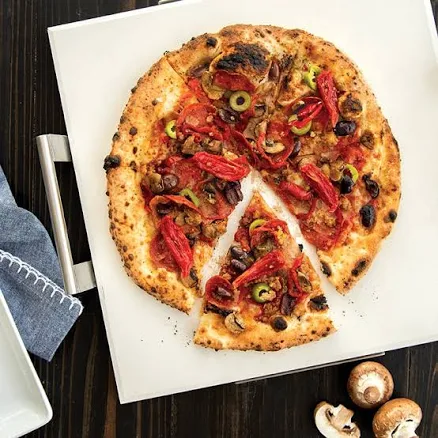
Deluxe Square Pizza Stone with Rack
- ceramic or unglazed stone; no nonstick coating
- The brand calls it PFAS-free, which we have not verified
- Ceramic or stone cracking and fragmentation
2 hazards checked on this product, all on its full breakdown.
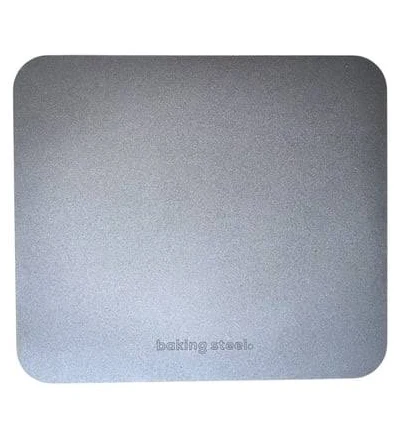
- carbon steel (bare metal, no coating)
- We found no PFAS statement from the brand
- Rust and corrosion
2 hazards checked on this product, all on its full breakdown.
Find an alternative on AmazonMore pizza stones & baking surfaces grades
How we score, every product runs through the same public 0-100 rubric based on materials, coatings, brand disclosure, lab findings, and recalls. See the full methodology → Spotted a mistake? Report an error.