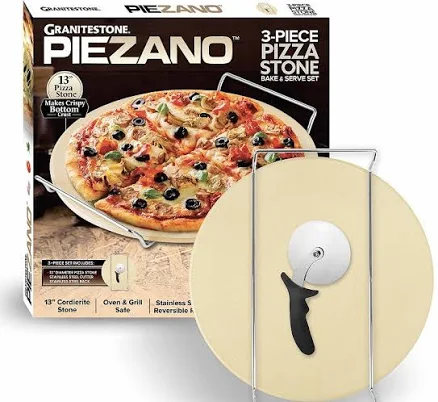
Granitestone · Pizza Stones & Baking Surfaces
Granitestone Piezano 3-Piece Pizza Stone Bake & Serve Set
Lower PFAS concern for stone; coating composition unconfirmed.
Granitestone pizza stones are primarily ceramic or stone-based, carrying lower inherent PFAS risk. Any nonstick surface coating isn't explicitly disclosed, and Granite Ware doesn't claim PFAS-free status.
The better-graded swap
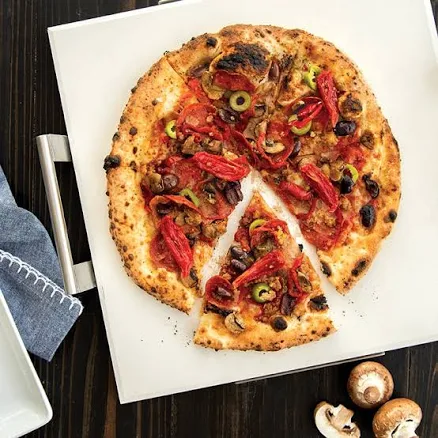
Deluxe Square Pizza Stone with Rack
90/100 safety
Same rubric that flunked this product. The swap earned Excellent.
Still want this one anyway? Check the price on Amazon. We’d swap it.
Material
Stone/ceramic (pizza stone); non-stick coating unspecified
Brand disclosure
Brand is silent on PFAS
Lab data
No public lab test
Is Granitestone Piezano 3-Piece Pizza Stone non-toxic? What it is made of
Granitestone pizza stones are ceramic or stone-composite bases with an applied non-stick coating. The base material (stone/ceramic) itself does not leach heavy metals under normal baking conditions. The critical unknown is the non-stick coating's composition, if it contains Teflon-type coating (Teflon), degradation becomes a concern only above 500°F; ceramic non-stick coatings or silicone-based alternatives pose lower acute risk but lack long-term durability data.
What’s concerning
Category baseline
The starting point for this type of product, before anything specific to this product is counted.
No PFAS disclosure
No public statement from the brand about PFAS in this product.
Non-stick, chemistry undisclosed
Marketed as non-stick without stating the coating chemistry.
Non-stick coating degradation (Teflon-type coating fume risk if present)
Granitestone does not publicly disclose whether the coating contains Teflon-type coating. If Teflon-type coating is present and the stone reaches 500°F or higher, thermal decomposition can release irritant fumes. Risk is low under normal pizza-baking temperatures (450-475°F) but increases with overheating or visible coating damage.
Microcracking and coating fragmentation over time
Thermal cycling and thermal shock (cold kitchen, hot oven, cold tap water for cleaning) can cause hairline fractures in both stone and coating. Small coating flakes may enter food; structural cracks reduce performance. This is a wear issue, not an acute chemical hazard, but affects long-term safety and usability.
Mold or bacterial colonization in porous material
Unglazed or partially glazed stone surfaces can trap moisture and food residue if stored damp. Unlike food-contact plastic, this poses microbial risk rather than chemical leaching. Proper drying and storage in dry environments eliminate this concern.
What’s reassuring
Lead
No recalls or testing reports indicate lead or cadmium contamination in Granitestone pizza stones. Modern ceramic cookware rarely contains these metals, but independent lab data for this specific product is unavailable. Risk is primarily theoretical given current manufacturing standards.
Source, ATSDR ↗Aluminum leaching (if aluminum-composite base)
If the stone base contains aluminum (common in composites), minimal leaching occurs at baking temperatures under 500°F. Contact with acidic foods (tomato sauce) could theoretically increase migration, but evidence of harm from pizza-stone aluminum is absent. Standard ceramic pizza stones do not contain aluminum.
The full breakdown
The brand's record and disclosure
Granite Ware (parent company of Granitestone) maintains minimal public disclosure on coating materials and third-party testing. No major safety recalls affecting this product line are on record. The brand does not publish PFAS or chemical testing reports, making independent verification impossible. This silence is typical for the cookware category but limits consumer confidence in hazard transparency.
How it compares in its category
Pizza stones range from unglazed ceramic (lowest chemical concern, slower heating) to non-stick coated variants (faster, higher degradation risk). Granitestone's coated design sits in the moderate-risk middle, better than bare ceramic for sticking but introduces coating-durability unknowns. Unglazed cordierite or pure stone alternatives eliminate coating hazards entirely but require more user skill. Pre-seasoned cast iron offers durability comparable to uncoated stone.
If you buy it
Heat pizza stones gradually and never exceed manufacturer specifications (typically 500°F); rapid temperature swings crack stone and degrade coating. Inspect the surface annually for scratches, flaking, or discoloration, which signal coating failure, replace if damage is visible. Hand-wash only; dishwashers strip non-stick properties. Store in a dry location to prevent moisture absorption and mold growth in porous materials.
What we don’t know
- Basis
- Model estimate, 72% confidence, not a lab result
- Lab test
- None on record for this exact product
- Brand statement
- Granitestone has made none
Formulations change between production runs, so check the current label. How we grade.
Better-graded alternatives in Pizza Stones & Baking Surfaces
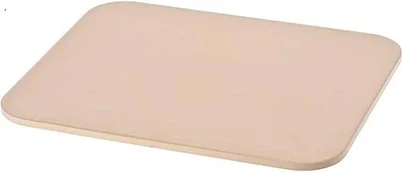
15-Inch Ceramic Pizza Stone for Perfect Crispy Crusts
- Ceramic (clay-based baking stone)
- The brand calls it PFAS-free, which we have not verified
- Glaze degradation and surface leaching
3 hazards checked on this product. See all of them.
Deluxe Square Pizza Stone with Rack
- ceramic or unglazed stone; no nonstick coating
- The brand calls it PFAS-free, which we have not verified
- Ceramic or stone cracking and fragmentation
2 hazards checked on this product. See all of them.
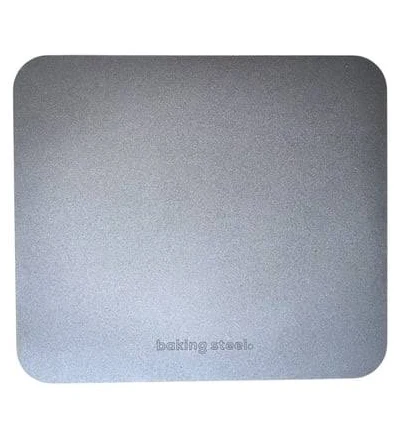
Baking Steel
The Original Ultra Conductive Pizza Stone
- carbon steel (bare metal, no coating)
- We found no PFAS statement from the brand
- Rust and corrosion
2 hazards checked on this product. See all of them.
More pizza stones & baking surfaces grades
How we score, every product runs through the same public 0-100 rubric based on materials, coatings, brand disclosure, lab findings, and recalls. See the full methodology → Spotted a mistake? Report an error.