· Pizza Stones & Baking Surfaces
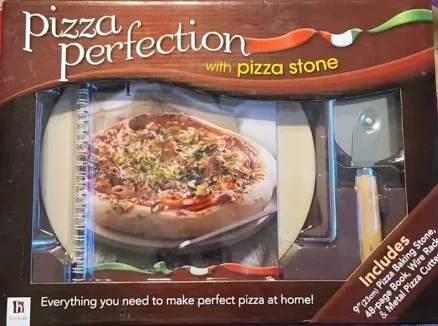
Pizza Perfection Hinkler 9" Ceramic Pizza Stone with Rack & Cutter, Is It Non-Toxic?
Lower PFAS concern; ceramic stones rarely contain PFAS.
Pizza stones are inherently lower-risk because ceramic and baked clay rarely use PFAS-based coatings or treatments. Hasn't publicly disclosed glaze formulation or made PFAS claims; this silence is typical for commodity cookware.
The better-graded swap
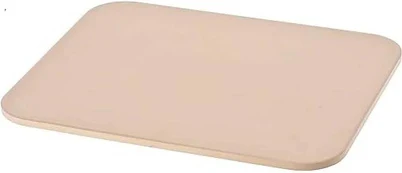
15-Inch Ceramic Pizza Stone for Perfect Crispy Crusts
90/100 safety
Same rubric that flunked this product. The swap earned Excellent.
Still want this one anyway? Check the price on Amazon. We’d swap it.
Material
Ceramic pizza stone; unglazed or glaze composition undisclosed
Brand disclosure
Brand is silent on PFAS
Lab data
No public lab test
You may also be interested in
Top-graded picks in the categories readers replace first, every one scored on the same rubric.

- polypropylene filter housing, carbon/sediment cartridge
- We found no PFAS statement from the brand
- Bacterial growth in spent cartridges
3 hazards checked on this product, all on its full breakdown.

Aquasure
Premier Series 75 GPD Under Sink Reverse Osmosis Water Filtration System
- RO membrane, carbon filters, stainless steel housing
- We found no PFAS statement from the brand
- Bacterial and microbial growth in housing and filters
4 hazards checked on this product, all on its full breakdown.

Avocado
Vegan Mattress
- organic cotton, natural latex, coconut coir, recycled steel coils
- The brand calls it PFAS-free, which we have not verified
- Heavy metals
2 hazards checked on this product, all on its full breakdown.
Is Pizza Perfection Hinkler 9" Ceramic Cutter non-toxic? What it is made of
This is an unglazed ceramic pizza stone, the most common type for direct heat baking. Unglazed ceramic avoids the coating degradation and glaze-leaching risks present in some glazed cookware. However, the brand has not disclosed the glaze composition or clay source, leaving lead/cadmium testing status unknown. Ceramic itself is chemically inert at typical pizza-baking temperatures (up to 500F).
What’s concerning
Category baseline
The starting point for this type of product, before anything specific to this product is counted.
No PFAS disclosure
No public statement from the brand about PFAS in this product.
Lead
Unglazed ceramic pizza stones typically carry low risk, but the brand does not publish lead/cadmium test results for this product. Ceramic clay itself is unlikely to leach unless glaze is present; if a glaze coat exists and was undisclosed, testing status is unknown.
Source, ATSDR ↗Ceramic degradation and fragmentation
Low-cost ceramic stones may suffer from poor firing or clay quality, increasing crack formation during thermal cycling. Cracks are a functional failure (food falls through, stone fragments) rather than a chemical hazard, but should trigger replacement.
Thermal shock cracking due to sudden temperature change
This is a functional hazard, rapid heating or cooling (e.g., placing a cold stone on a hot burner) can cause the ceramic to crack and shed fragments into food or the oven. It is not a chemical hazard but a safety issue tied to user practice and material brittleness.
What’s reassuring
Base material not linked to PFAS
The main material recorded for this product is not one associated with PFAS.
Porous surface contamination
Unglazed ceramic is more porous than glazed, allowing minor oil absorption and potential harboring of food residues if not cleaned promptly. This is a hygiene concern (mold/bacterial growth if stored wet) rather than a material toxicity issue, and is manageable with standard care.
How is this PFAS grade calculated?
The brand's record and disclosure
The brand has no public recall history specific to ceramic pizza stones. The brand does not publish third-party certification (e.g., NSF, ceramic lead-testing claims) for this product line, which is common for budget pizza stones but limits verification. No controversies or formal safety violations are on record for this SKU or category from the brand.
How it compares in its category
Unglazed ceramic pizza stones are the category baseline for safety, offering no nonstick coating risks (unlike Teflon-type coating alternatives) and minimal leaching. This product sits in the middle-market tier, cheaper models may use recycled clay with unknown heavy-metal screening; premium brands (Le Creuset, Emile Henry) publish lead/cadmium test certificates. The brand's lack of certification is a quality-control transparency gap, not evidence of hazard.
If you buy it
Preheat the stone slowly (15-20 min) to prevent thermal shock cracking; do not submerge in water or use soap immediately after hot use. Inspect the surface after 10-15 uses for hairline cracks, which may indicate clay defects or poor firing and warrant replacement. Store dry; a cracked stone can fragment during use. Avoid acidic doughs or toppings sitting on the stone for hours, as some clays are slightly porous and may absorb oils or staining compounds over time.
What is not known about PFAS in this product?
- Basis
- Model estimate, 78% confidence, not a lab result
- Lab test
- None on record for this exact product
- Brand statement
- has made none
Formulations change between production runs, so check the current label. How we grade.
What are the PFAS-free alternatives to Pizza Perfection Hinkler 9" Ceramic Pizza Stone with Rack & Cutter?
15-Inch Ceramic Pizza Stone for Perfect Crispy Crusts
- Ceramic (clay-based baking stone)
- The brand calls it PFAS-free, which we have not verified
- Glaze degradation and surface leaching
3 hazards checked on this product, all on its full breakdown.
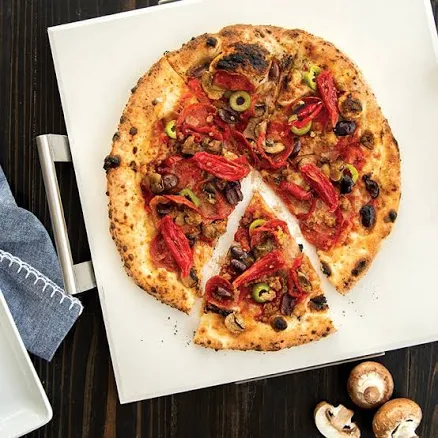
Deluxe Square Pizza Stone with Rack
- ceramic or unglazed stone; no nonstick coating
- The brand calls it PFAS-free, which we have not verified
- Ceramic or stone cracking and fragmentation
2 hazards checked on this product, all on its full breakdown.
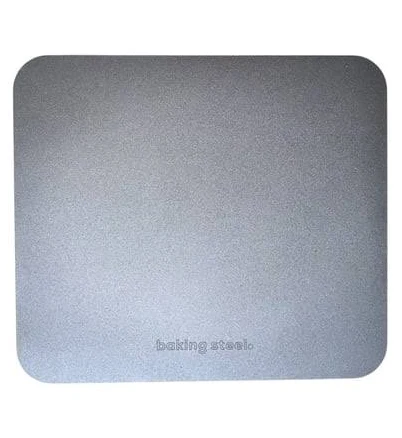
- carbon steel (bare metal, no coating)
- We found no PFAS statement from the brand
- Rust and corrosion
2 hazards checked on this product, all on its full breakdown.
Find an alternative on AmazonMore pizza stones & baking surfaces grades
How we score, every product runs through the same public 0-100 rubric based on materials, coatings, brand disclosure, lab findings, and recalls. See the full methodology → Spotted a mistake? Report an error.