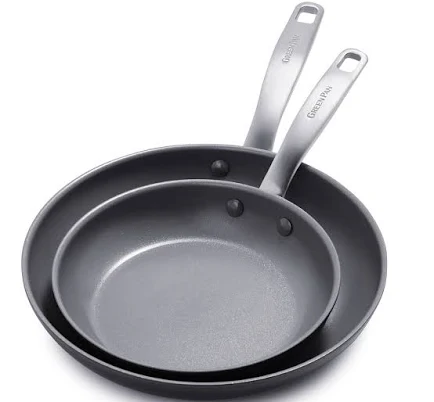
GreenPan Chatham Ceramic Nonstick Frypan Set, Is It Non-Toxic?
Ceramic nonstick coating with brand PFAS statement on record, unverified.
GreenPan states this ceramic nonstick cookware set is made without PFAS. The coating is disclosed as ceramic nonstick. We have not independently verified the brand's claim.
We flunk more products than we pass. This one earned its grade. How we grade
You may also be interested in
Top-graded picks in the categories readers replace first, every one scored on the same rubric.

- polypropylene filter housing, carbon/sediment cartridge
- We found no PFAS statement from the brand
- Bacterial growth in spent cartridges
3 hazards checked on this product, all on its full breakdown.

Aquasure
Premier Series 75 GPD Under Sink Reverse Osmosis Water Filtration System
- RO membrane, carbon filters, stainless steel housing
- We found no PFAS statement from the brand
- Bacterial and microbial growth in housing and filters
4 hazards checked on this product, all on its full breakdown.

Avocado
Vegan Mattress
- organic cotton, natural latex, coconut coir, recycled steel coils
- The brand calls it PFAS-free, which we have not verified
- Heavy metals
2 hazards checked on this product, all on its full breakdown.
Is GreenPan Chatham Ceramic Frypan Set non-toxic? What it is made of
GreenPan markets this as a ceramic nonstick frypan, but the full composition of the base metal and exact ceramic coating formulation are not disclosed in publicly available product documentation. The ceramic topcoat is intended to replace Teflon-type coating (Teflon) and similar Teflon-family coating. Ceramic coatings are generally more brittle than traditional nonstick and degrade faster with use, which matters because a compromised coating may expose underlying metal or allow particles to shed into food.
What’s concerning
Disclosed non-fluorinated coating
Coating is named and the brand states it is made without PFAS.
Category baseline
The starting point for this type of product, before anything specific to this product is counted.
Ceramic coating degradation and shedding
Ceramic nonstick coatings inherently degrade faster than Teflon-type coating. If the coating flakes or wears through, you may ingest ceramic particles or contact the underlying substrate. GreenPan does not disclose expected coating lifespan or degradation testing for this product.
Base metal composition unknown (aluminum or steel leaching)
The substrate material (aluminum, aluminum alloy, or steel) is not specified in available product information. If aluminum and unlined or poorly sealed, acidic or salty foods could leach trace aluminum. Without material disclosure, this risk cannot be fully assessed.
Handle or lid safety
Product details on handle material (phenolic plastic, stainless steel, silicone) and heat resistance are not provided. Plastic handles may soften or off-gas VOCs if exposed to sustained high heat near the pan.
What’s reassuring
Brand-stated PFAS-free
The brand states this product is PFAS-free. We have not verified the claim.
Lead
No recalls or test reports of lead or cadmium contamination in GreenPan ceramic cookware have been published. Food-contact ceramics in the US are subject to FDA limits, but GreenPan does not disclose independent glaze testing for this line.
Source, ATSDR ↗Teflon-type coating or Teflon-type coating-derivative fume risk
The product is marketed as Teflon-type coating-free ceramic. If the ceramic coating does not contain Teflon-type coating, thermal fume hazard is not applicable, though no independent verification of coating composition is publicly available.
How is this PFAS grade calculated?
The brand's record and disclosure
GreenPan has positioned itself as a PFOA-free and Teflon-type coating-free alternative brand since its inception, which aligns with the 70/100 PFAS safety score noted. However, the brand has not published detailed third-party certifications of coating composition or independent testing results for this specific product line that are publicly accessible. The lack of published PFAS statements or NSF/other third-party certifications for this line makes it difficult to verify claims beyond marketing language.
How it compares in its category
Ceramic nonstick cookware occupies a middle ground between traditional Teflon-type coating nonstick (lower PFAS risk post-reformulation, but still synthetic fluorine chemistry) and cast iron or stainless steel (zero nonstick coating risk, higher maintenance). GreenPan's ceramic offering is competitive on PFAS positioning but lacks the durability track record and third-party validation of established brands like T-fal or GreenChef. Ceramic coatings are known to lose nonstick properties faster than Teflon-type coating, typically within 1-3 years of regular use.
If you buy it
Hand wash only; dishwasher use accelerates coating degradation. Avoid high heat and metal utensils, which chip ceramic. Monitor the coating for flaking, discoloration, or loss of nonstick function every 6-12 months, and replace if visible damage occurs. Store with cloth separators between pans to prevent coating contact.
What is not known about PFAS in this product?
- Basis
- Model estimate, 80% confidence, not a lab result
- Lab test
- None on record for this exact product
- Brand statement
- GreenPan has made a specific claim
Formulations change between production runs, so check the current label. How we grade.
What are the PFAS-free alternatives to GreenPan Chatham Ceramic Nonstick Frypan Set?
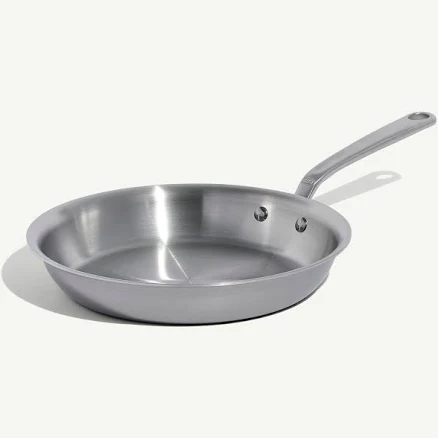
- Stainless steel clad construction, no nonstick coating
- The brand calls it PFAS-free, which we have not verified
- Clad separation or delamination over time
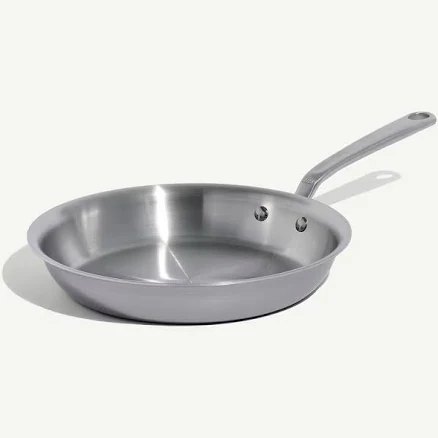
- stainless steel clad construction, no nonstick coating
- The brand calls it PFAS-free, which we have not verified
- Nickel leaching from stainless steel
3 hazards checked on this product, all on its full breakdown.
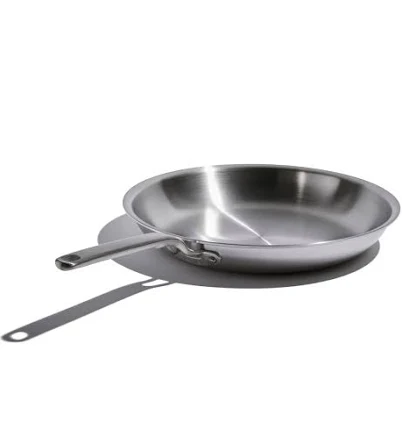
- Clad stainless steel, no coating
- The brand calls it PFAS-free, which we have not verified
- Metal ion release during cooking (iron, nickel, chromium)
More cookware grades
How we score, every product runs through the same public 0-100 rubric based on materials, coatings, brand disclosure, lab findings, and recalls. See the full methodology → Spotted a mistake? Report an error.