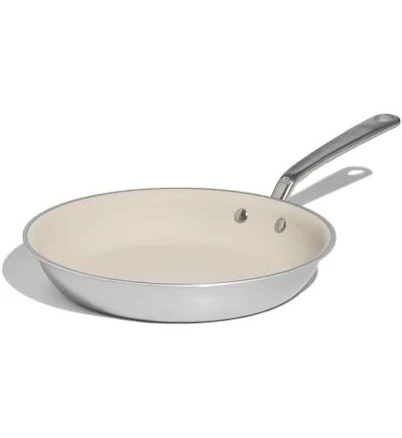
Made In CeramiClad Fry Pan
Named ceramic non-stick coating, with a brand PFAS statement we have not verified.
Made In says this cookware is made without PFAS, Teflon-type coating and PFOA. We record that as an unverified brand claim. Its record describes a non-stick coating of unstated type, which is still counted.
Brand says: “Made In says this cookware is made without PFAS, PTFE and PFOA.”
We flunk more products than we pass. This one earned its grade. How we grade
Material
Ceramic non-stick coating
Brand disclosure
Brand claims PFAS-free
Lab data
No public lab test
Is Made In CeramiClad Fry Pan non-toxic? What it is made of
Made In CeramiClad uses a ceramic-based non-stick coating rather than traditional Teflon-type coating (Teflon). Ceramic coatings are inorganic mineral layers that bond to the pan surface and do not release volatile fluorinated compounds when heated normally. The underlying cookware is typically hard-anodized aluminum or stainless steel; if aluminum, the anodized layer provides a barrier against aluminum leaching into food, though this depends on coating integrity over time.
What’s concerning
Disclosed non-fluorinated coating
Coating is named and the brand states it is made without PFAS.
Category baseline
The starting point for this type of product, before anything specific to this product is counted.
Coating degradation and particle release
Ceramic non-stick coatings are more prone to chipping or flaking than traditional Teflon-type coating, especially under metal utensil use or thermal shock. Visible particles in food or visible bare spots are a signal to retire the pan.
Aluminum leaching (if aluminum substrate)
If the pan is hard-anodized aluminum, the anodized layer protects against leaching under normal use. However, chips or scratches in the ceramic coating that expose the aluminum underneath could theoretically allow leaching in acidic foods, though risk is low at typical dietary levels.
PFAS
Brand claims PFAS-free ceramic coating but has not published third-party verification or lab results confirming the absence of PFAS in the coating formulation or manufacturing process. Ceramic non-stick materials are inherently less likely to contain PFAS than Teflon-type coating, but the claim itself remains unaudited.
Source, ATSDR ↗What’s reassuring
Brand-stated PFAS-free
The brand states this product is PFAS-free. We have not verified the claim.
Thermal fume risk from ceramic coating
Ceramic non-stick does not contain fluorine and does not produce the toxic fumes (Teflon-type coating decomposition) associated with overheated traditional non-stick cookware. No published reports of fume toxicity from ceramic non-stick pans at normal cooking temperatures.
Lead
Made In does not use traditional ceramic glaze in the manner of dinnerware; the coating is a bonded ceramic non-stick layer. No known recalls or test results for lead or cadmium contamination in this product line.
Source, ATSDR ↗The full breakdown
The brand's record and disclosure
Made In publicly claims PFAS-free manufacturing and ceramic non-stick formulation, though this claim has not been independently verified by third-party certification (e.g., GreenGuard or NSF). The brand has built marketing around non-toxic cookware positioning, suggesting a transparency commitment, but no published test reports or third-party lab certifications for this specific pan are on public record. User reports and retailer listings describe the coating as ceramic, consistent with the brand's stated position.
How it compares in its category
Ceramic non-stick pans occupy a middle ground, lower fume risk than legacy Teflon-type coating cookware, but with mixed real-world durability compared to traditional Teflon, which remains non-stick longer under heavy use. Ceramic coatings can wear faster and lose non-stick properties within 1-2 years of frequent cooking, requiring earlier replacement. Stainless steel or cast iron alternatives avoid synthetic coatings entirely but require more skill and oil to prevent sticking.
If you buy it
Use on low to medium heat only; avoid preheating empty or exposing to temperatures above 500F, as even ceramic can degrade and potentially release particles if overheated. Hand wash when possible to preserve the coating; avoid metal utensils and abrasive scrubbers, which accelerate surface damage. Inspect regularly for cracks, chips, or bare spots in the ceramic layer, which expose the underlying metal and defeat the non-stick benefit. Replace the pan if coating flaking is visible or if non-stick performance declines significantly, usually within 18-24 months of daily use.
What we don’t know
- Basis
- Model estimate, 72% confidence, not a lab result
- Lab test
- None on record for this exact product
- Brand statement
- Made In has made a specific claim
Formulations change between production runs, so check the current label. How we grade.
Better-graded alternatives in Cookware
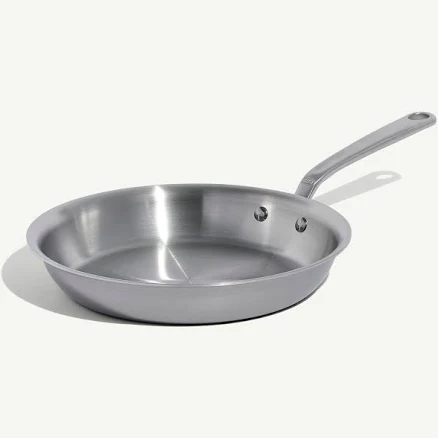
Made In
Stainless Clad Fry Pan
- Stainless steel clad construction, no nonstick coating
- The brand calls it PFAS-free, which we have not verified
- Clad separation or delamination over time
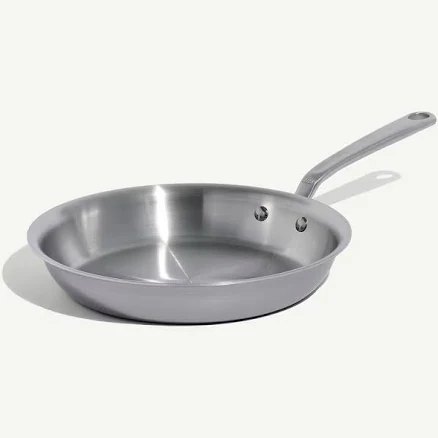
Made In
10' Stainless Clad Frying Pan
- stainless steel clad construction, no nonstick coating
- The brand calls it PFAS-free, which we have not verified
- Nickel leaching from stainless steel
3 hazards checked on this product. See all of them.
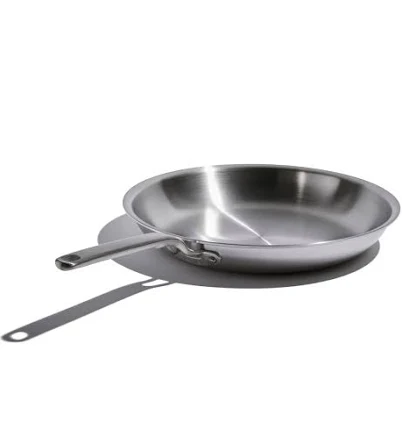
Heritage Steel
Eater Fry Pan
- Clad stainless steel, no coating
- The brand calls it PFAS-free, which we have not verified
- Metal ion release during cooking (iron, nickel, chromium)
More cookware grades
How we score, every product runs through the same public 0-100 rubric based on materials, coatings, brand disclosure, lab findings, and recalls. See the full methodology → Spotted a mistake? Report an error.