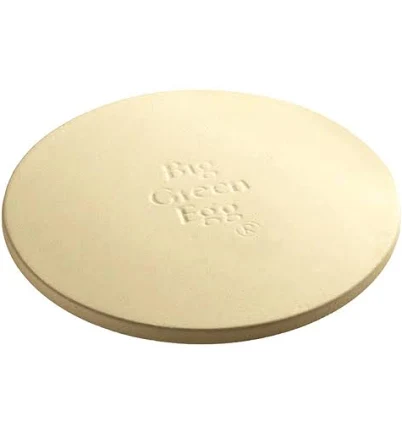
· Pizza Stones & Baking Surfaces
Pizza & Baking Stone, Is It Non-Toxic?
No coating of concern recorded, and no PFAS statement from the brand.
The brand has published no PFAS statement for this product that we could find.
The better-graded swap
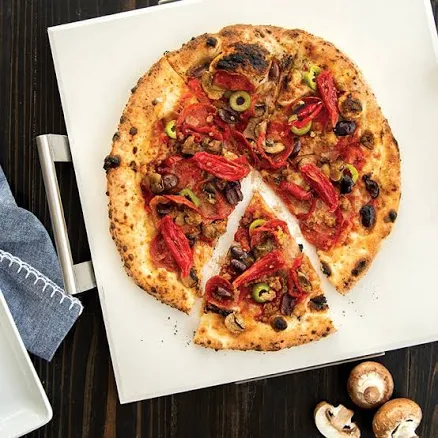
Deluxe Square Pizza Stone with Rack
90/100 safety
Same rubric that flunked this product. The swap earned Excellent.
Still want this one anyway? Check the price on Amazon. We’d swap it.
Material
Ceramic/stone (natural mineral base)
Lab data
No public lab test
You may also be interested in
Top-graded picks in the categories readers replace first, every one scored on the same rubric.

- polypropylene filter housing, carbon/sediment cartridge
- We found no PFAS statement from the brand
- Bacterial growth in spent cartridges
3 hazards checked on this product, all on its full breakdown.

Aquasure
Premier Series 75 GPD Under Sink Reverse Osmosis Water Filtration System
- RO membrane, carbon filters, stainless steel housing
- We found no PFAS statement from the brand
- Bacterial and microbial growth in housing and filters
4 hazards checked on this product, all on its full breakdown.

Avocado
Vegan Mattress
- organic cotton, natural latex, coconut coir, recycled steel coils
- The brand calls it PFAS-free, which we have not verified
- Heavy metals
2 hazards checked on this product, all on its full breakdown.
Is Pizza & Baking Stone non-toxic? What it is made of
The brand's pizza stone is ceramic or fired mineral-based material, not synthetic polymer or metal. Ceramic is inert at typical baking temperatures (up to 500F range) and does not leach lead, cadmium, or Teflon-type coating-derived fumes under normal use. No glaze or enamel coating has been documented as part of this product; if present, it would be food-contact glaze subject to FDA rules for lead/cadmium limits. The material itself is thermally stable and non-reactive with acidic foods like tomato sauce.
What’s concerning
No PFAS disclosure
No public statement from the brand about PFAS in this product.
Category baseline
The starting point for this type of product, before anything specific to this product is counted.
Microcracking or material shedding over time
Ceramic is brittle and can crack with thermal shock, freezing, or impact; small fragments may dislodge into food. This is a use-related risk, not a manufacturing defect, and is managed by proper care and timely replacement when damage appears.
What’s reassuring
Base material not linked to PFAS
The main material recorded for this product is not one associated with PFAS.
Lead
No glaze composition or third-party testing is publicly documented for this product. If a glaze is present, it would be subject to FDA food-contact limits; no violation or warning has been issued by the brand or regulators.
Source, ATSDR ↗Thermal degradation or outgassing from ceramic
Fired ceramic is thermally stable at typical baking temperatures and does not emit volatile organic compounds or fumes. No adverse reports are on record for pizza stones.
Aluminum leaching
Pizza stones are not aluminum-based; this hazard does not apply to ceramic material.
Coating degradation exposing underlying substrate
If the product has a food-contact glaze, loss of glaze integrity could expose ceramic; risk depends on glaze composition, which is not disclosed. Standard ceramic pizza stones do not use synthetic polymer coatings that peel.
How is this PFAS grade calculated?
The brand's record and disclosure
The brand is known for emphasis on cookware coatings free of Teflon-type coating and PFOA, but makes no public statement regarding PFAS in baking stones specifically. No recalls or safety violations specific to this product line are on record. The brand does not publish material safety data sheets or third-party testing results for ceramic bakeware. No certifications (e.g., NSF, California Prop 65) have been registered for this item.
How it compares in its category
Ceramic pizza stones are a low-hazard option compared to non-stick metal baking pans (which may contain Teflon-type coating or other fluorinated coatings) or glazed stoneware from brands without coating disclosure. Unglazed or minimally glazed ceramic is chemically simpler than enameled cast iron (enamel chips expose bare metal) or synthetic polymer-based baking mats. Price and performance are typical for the category; no material advantage or disadvantage in safety profile versus plain ceramic competitors.
If you buy it
Preheat the stone gradually to avoid thermal shock and cracking. Do not use above 500F unless the manufacturer specifies a higher limit; check product documentation. Avoid immersing in water immediately after use; allow to cool first to prevent damage. If the surface shows cracks, chips, or glaze peeling, retire the stone to prevent ceramic fragments in food. Hand washing presents lower concern than dishwasher cycling, which may stress the material over time.
What is not known about PFAS in this product?
- Basis
- Model estimate, 78% confidence, not a lab result
- Lab test
- None on record for this exact product
- Brand statement
- has made a specific claim
Formulations change between production runs, so check the current label. How we grade.
What are the PFAS-free alternatives to Pizza & Baking Stone?
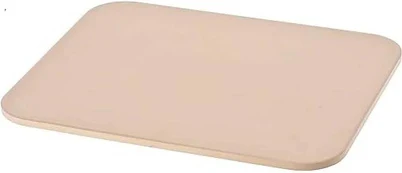
15-Inch Ceramic Pizza Stone for Perfect Crispy Crusts
- Ceramic (clay-based baking stone)
- The brand calls it PFAS-free, which we have not verified
- Glaze degradation and surface leaching
3 hazards checked on this product, all on its full breakdown.
Deluxe Square Pizza Stone with Rack
- ceramic or unglazed stone; no nonstick coating
- The brand calls it PFAS-free, which we have not verified
- Ceramic or stone cracking and fragmentation
2 hazards checked on this product, all on its full breakdown.
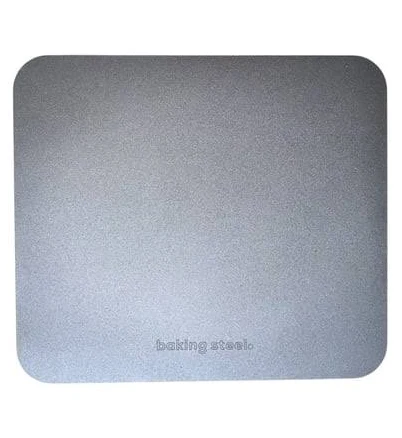
- carbon steel (bare metal, no coating)
- We found no PFAS statement from the brand
- Rust and corrosion
2 hazards checked on this product, all on its full breakdown.
Find an alternative on AmazonMore pizza stones & baking surfaces grades
How we score, every product runs through the same public 0-100 rubric based on materials, coatings, brand disclosure, lab findings, and recalls. See the full methodology → Spotted a mistake? Report an error.