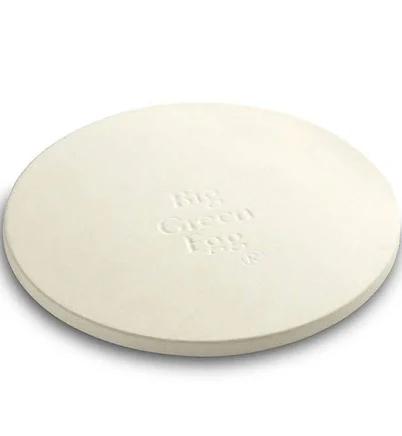
· Pizza Stones & Baking Surfaces
Pizza & Baking Stones, Are They Non-Toxic?
No coating of concern recorded, and no PFAS statement from the brand.
The brand has published no PFAS statement for this product that we could find.
The better-graded swap
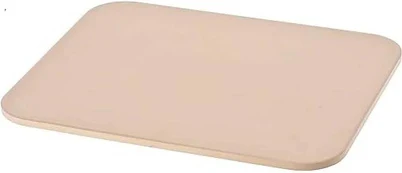
15-Inch Ceramic Pizza Stone for Perfect Crispy Crusts
90/100 safety
Same rubric that flunked this product. The swap earned Excellent.
Still want this one anyway? Check the price on Amazon. We’d swap it.
Material
Ceramic-coated stone (cordierite or clay base)
Lab data
No public lab test
You may also be interested in
Top-graded picks in the categories readers replace first, every one scored on the same rubric.

- polypropylene filter housing, carbon/sediment cartridge
- We found no PFAS statement from the brand
- Bacterial growth in spent cartridges
3 hazards checked on this product, all on its full breakdown.

Aquasure
Premier Series 75 GPD Under Sink Reverse Osmosis Water Filtration System
- RO membrane, carbon filters, stainless steel housing
- We found no PFAS statement from the brand
- Bacterial and microbial growth in housing and filters
4 hazards checked on this product, all on its full breakdown.

Avocado
Vegan Mattress
- organic cotton, natural latex, coconut coir, recycled steel coils
- The brand calls it PFAS-free, which we have not verified
- Heavy metals
2 hazards checked on this product, all on its full breakdown.
Are Pizza & Baking Stones non-toxic? What it is made of
Pizza stones use a cordierite or clay mineral base (naturally porous, thermally stable) topped with ceramic glazing. Cordierite is valued for thermal shock resistance and even heat distribution. The ceramic coating bonds to the stone during kiln firing rather than being a synthetic polymer, which eliminates Teflon-type coating fume risk and reduces leaching concerns compared to non-stick coatings. No enamel or glaze containing lead or cadmium has been reported for this product line.
What’s concerning
No PFAS disclosure
No public statement from the brand about PFAS in this product.
Category baseline
The starting point for this type of product, before anything specific to this product is counted.
Coating degradation over time
Ceramic glazes can chip or wear with repeated thermal cycling and abrasion. Degradation itself does not release hazardous substances into food, but exposed cordierite becomes more porous and stain-prone. This is a durability issue rather than a chemical safety hazard.
Lead
The porous cordierite base can retain moisture and food residue if not dried thoroughly after washing. While not a direct chemical hazard, poor maintenance could create hygiene concerns. Regular air-drying and inspection for deep cracks mitigate this risk.
Source, ATSDR ↗What’s reassuring
Base material not linked to PFAS
The main material recorded for this product is not one associated with PFAS.
Lead
No contamination or heavy-metal findings are on record for pizza stones. Ceramic glazes in modern cookware from established brands are typically tested for leaching; however, independent verification is not publicly documented for this specific product.
Source, ATSDR ↗Aluminum leaching (if aluminum-containing clay base)
Cordierite and clay-based stones do contain trace aluminum, but leaching into food during typical baking (neutral to slightly acidic pH, short contact time, moderate heat) is not documented as a concern for ceramic-coated products in this category.
Teflon-type coating or synthetic polymer fume release
Stones use mineral-based ceramic coating, not Teflon-type coating or synthetic non-stick polymers. No fume hazard is associated with ceramic firing or use at normal baking temperatures (up to 500F).
How is this PFAS grade calculated?
The brand's record and disclosure
The brand has built a reputation for PFOA-free and low-chemical cookware, though the brand does not issue specific PFAS statements for stone products. No recalls, contamination reports, or heavy-metal findings have been documented for their baking stones. The parent company (The Cookware Company) markets toward health-conscious consumers, which supports more rigorous material vetting than commodity alternatives, but independent third-party certification (NSF, GOTS) is not on record for this category.
How it compares in its category
Pizza stones are typically uncoated clay or cordierite, or ceramic-glazed variants. The brand's ceramic coating is a middle ground, it reduces staining and improves durability versus raw stone, while avoiding synthetic non-stick polymers used by some competitors. Most traditional pizza stones carry no chemical hazard on record because they are fired mineral with minimal additives. The brand's approach aligns with this safety profile while adding convenience.
If you buy it
Season lightly before first use per instructions (typically with oil at low heat). Do not subject to rapid temperature swings (preheat gradually, avoid cold water immediately after use) as thermal shock can crack cordierite. Hand-wash gently; abrasive scrubbing may degrade the ceramic surface over years of use. Replace if glaze chips extensively or stone develops deep cracks, as they reduce thermal performance and create sharp edges. Store in a dry location to prevent moisture absorption into the porous base.
What is not known about PFAS in this product?
- Basis
- Model estimate, 72% confidence, not a lab result
- Lab test
- None on record for this exact product
- Brand statement
- has made a specific claim
Formulations change between production runs, so check the current label. How we grade.
What are the PFAS-free alternatives to Pizza & Baking Stones?
15-Inch Ceramic Pizza Stone for Perfect Crispy Crusts
- Ceramic (clay-based baking stone)
- The brand calls it PFAS-free, which we have not verified
- Glaze degradation and surface leaching
3 hazards checked on this product, all on its full breakdown.
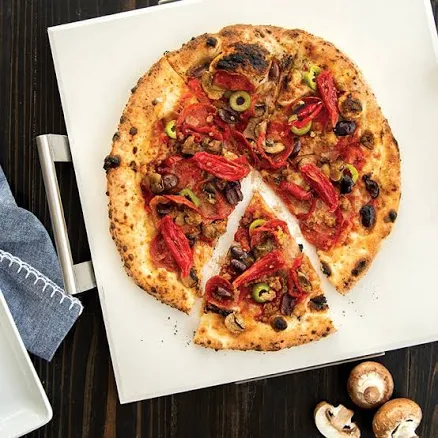
Deluxe Square Pizza Stone with Rack
- ceramic or unglazed stone; no nonstick coating
- The brand calls it PFAS-free, which we have not verified
- Ceramic or stone cracking and fragmentation
2 hazards checked on this product, all on its full breakdown.
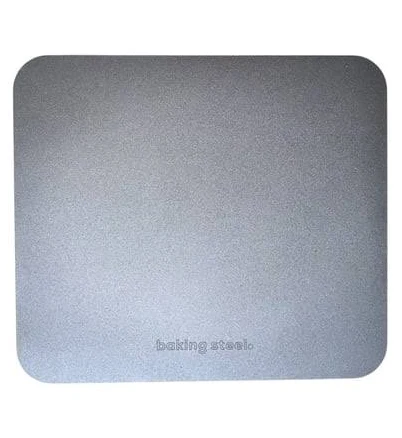
- carbon steel (bare metal, no coating)
- We found no PFAS statement from the brand
- Rust and corrosion
2 hazards checked on this product, all on its full breakdown.
Find an alternative on AmazonMore pizza stones & baking surfaces grades
How we score, every product runs through the same public 0-100 rubric based on materials, coatings, brand disclosure, lab findings, and recalls. See the full methodology → Spotted a mistake? Report an error.