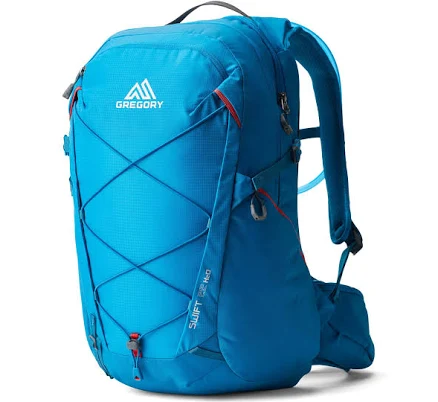
Gregory · Waterproof Outdoor Gear Storage Bags
Gregory Swift 22 H2O Backpack
Water-resistant backpack; PFAS coating status unknown, no brand disclosure.
Gregory backpacks typically use water-repellent coating-treated nylon for water resistance, a common PFAS application. Brand provides no public statements on PFAS content or alternatives.
Still want this one anyway? Check the price on Amazon. We’d swap it.
Material
Nylon with water-repellent coating water-repellent coating
Brand disclosure
Brand is silent on PFAS
Lab data
No public lab test
What Gregory Swift 22 H2O Backpack is made of, ingredients and materials
The Gregory Swift 22 H2O uses nylon as the base fabric, a synthetic polymer that does not inherently leach chemicals into skin or contents under normal use. The critical component is the water-repellent coating (water-repellent coating) coating applied to the exterior. Gregory has not publicly disclosed whether this coating uses fluorocarbon-based PFAS (common but persistent) or newer non-fluorocarbon alternatives. Nylon itself is chemically stable; the hazard profile depends entirely on the coating composition and how it degrades over time.
What’s concerning
Category baseline
The starting point for this type of product, before anything specific to this product is counted.
No PFAS disclosure
No public statement from the brand about PFAS in this product.
Waterproof / stain-resistant treatment
Water-repellent coating treatments have historically used PFAS.
water-repellent coating degradation and unknown chemical composition
Gregory does not disclose whether the coating is fluorocarbon-based (PFAS) or fluorocarbon-free. As the coating wears, particles and any residual chemicals may shed into washing water or contact skin; long-term safety depends on composition unknown to consumers.
Microplastics
Nylon fabrics shed microfibers during washing and abrasion, particularly as the water-repellent coating breaks down. This is a known issue across the apparel industry; Gregory provides no guidance on microfiber shedding or washing best practices to minimize it.
Source, EPA ↗What’s reassuring
Formaldehyde / VOCs
No documented formaldehyde-resin finish has been reported in Gregory backpacks. Nylon itself does not require formaldehyde; however, if the water-repellent coating treatment includes formaldehyde-releasing hardeners, off-gassing could occur in the first weeks. No test data available for this specific model.
Source, ATSDR ↗Heavy metals
Gregory does not disclose dye chemistry. Nylon backpacks are typically dyed with acid or disperse dyes; harmful azo dyes and heavy metal contamination are not typical for major backpack manufacturers, but no third-party testing or brand certification (e.g., OEKO-TEX) is publicly available for this model.
Source, FDA ↗Antimony in polyester components
This backpack is primarily nylon, not polyester; however, if any webbing straps or trim use polyester, trace antimony catalyst residues are possible. Gregory does not disclose trim materials or conduct antimony testing.
The full breakdown
The brand's record and disclosure
Gregory (owned by Vista Outdoor) does not maintain a public PFAS transparency policy or environmental chemical disclosure standard comparable to brands like Patagonia or Arc'teryx. The company has not committed to phasing out fluorinated water-repellent treatments or provided third-party testing data on their products. No major safety recalls or chemical controversies have been documented for this specific model, but the absence of transparency makes independent verification of coating safety difficult. Consumers cannot verify the water-repellent coating chemistry from available public sources.
How it compares in its category
Most mainstream backpack brands (The North Face, Osprey, REI Co-op) use water-repellent coating treatments as standard; Gregory is not unusual in this respect. Some premium and eco-conscious brands now offer PFAS-free water-repellent options (Patagonia, Rab) or clearly disclose their coating type. The Gregory Swift 22 sits in the middle-market segment with typical water-repellency expectations but below-average transparency. For a product in this price range, lack of public chemical disclosure is a competitive disadvantage versus disclosed alternatives.
If you buy it
Store the backpack indoors and avoid prolonged heat exposure (e.g., direct sunlight or car interiors), which can accelerate coating breakdown and potential leaching. Do not machine-wash; hand-clean with mild soap and cool water to preserve the water-repellent coating layer. The coating will degrade over 3-5 years of heavy use; when water stops beading off the fabric, refresh the water-repellent coating with a commercial treatment (and check that product's chemistry before purchase). If you are concerned about PFAS exposure, contact Gregory directly to request coating composition data, or consider a competitor with transparent PFAS-free claims.
What we don’t know
- Basis
- Model estimate, 45% confidence, not a lab result
- Lab test
- None on record for this exact product
- Brand statement
- Gregory has made none
Formulations change between production runs, so check the current label. How we grade.
Better-graded alternatives in Waterproof Outdoor Gear Storage Bags
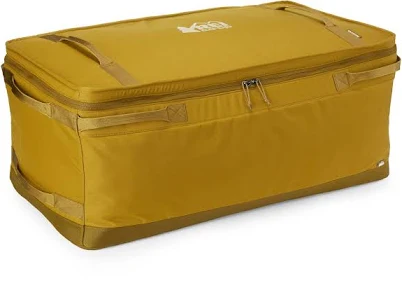
REI Co-op
Trailgate Gear Bin Green 140 L
- Polypropylene storage bin, no water-resistant coating mentioned
- UV degradation and additive leaching
3 hazards checked on this product. See all of them.
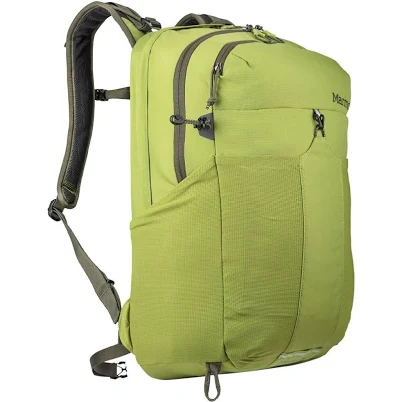
Marmot
Tool Box
- Nylon, polyester, cotton blend; details unspecified
- Volatile organic compounds (VOCs) from polyester and nylon manufacturing
5 hazards checked on this product. See all of them.
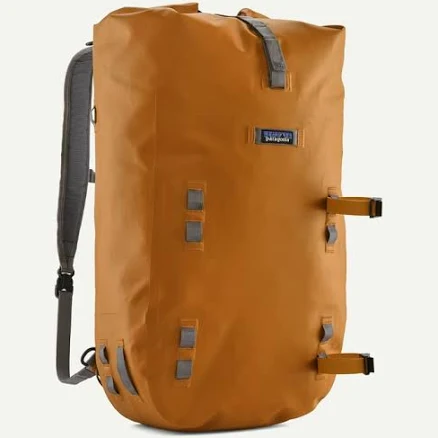
Patagonia
Disperser Roll Top Pack 40L
- Recycled polyester with water-repellent coating (water-repellent coating) finish
- The brand calls it PFAS-free, which we have not verified
- PFAS
4 hazards checked on this product. See all of them.
More waterproof outdoor gear storage bags grades
How we score, every product runs through the same public 0-100 rubric based on materials, coatings, brand disclosure, lab findings, and recalls. See the full methodology → Spotted a mistake? Report an error.