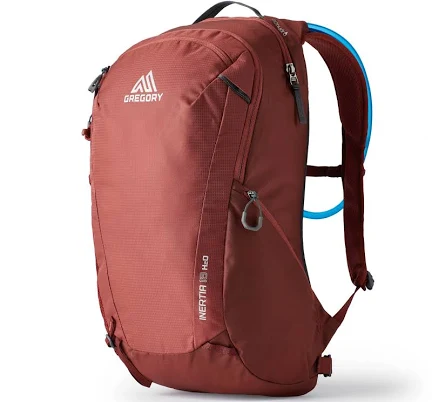
Gregory · Waterproof Outdoor Gear Storage Bags
Inertia 18 H2O
Unknown water-repellent coating treatment chemistry; Gregory silent on PFAS disclosure.
The Inertia 18 H2O uses a water-resistant treatment but Gregory doesn't publicly disclose whether it contains PFAS. No third-party testing data exists for this model.
Still want this one anyway? Check the price on Amazon. We’d swap it.
Material
Nylon/polyester blend with water-resistant treatment (H2O system)
Brand disclosure
Brand is silent on PFAS
Lab data
No public lab test
What Inertia 18 H2O is made of, ingredients and materials
The Inertia 18 H2O uses a nylon/polyester blend with Gregory's proprietary H2O water-resistant finish. Nylon and polyester are stable synthetic fibers with low inherent toxicity, but the "H2O" water-repellent coating (water-repellent coating) treatment chemistry is not publicly disclosed. water-repellent coating finishes historically relied on PFAS compounds (perfluorocarbon chains), though some brands have shifted to PFAS-free alternatives; Gregory has not clarified which approach they use.
What’s concerning
Category baseline
The starting point for this type of product, before anything specific to this product is counted.
No PFAS disclosure
No public statement from the brand about PFAS in this product.
Waterproof / stain-resistant treatment
Water-repellent coating treatments have historically used PFAS.
water-repellent coating degradation and microplastic shedding
All water-repellent coating-treated textiles shed microscopic polymer particles over time, especially after washing or abrasion. This is a general property of coated fabrics, not specific to Gregory, but more frequent washing accelerates shedding. The coating itself (PFAS or alternative) breaks down into particulates; environmental fate depends on chemical composition.
Undisclosed water-resistant treatment chemistry
Gregory's H2O system description lacks specificity on active ingredients or PFAS status. Without independent testing or manufacturer disclosure, the hazard profile of the water-repellent coating finish cannot be fully assessed. This is a transparency and precaution issue rather than a confirmed health risk.
What’s reassuring
Azo dyes in synthetic textiles
Nylon and polyester can be dyed with azo compounds; no product-specific testing or complaints are on record for Gregory Inertia products. Standard industrial dyes used in reputable outdoor apparel are generally tested for heavy metal content.
Antimony in polyester fibers
Antimony trioxide is used as a catalyst in polyester production; finished apparel contains residual amounts typically below health-concern thresholds and not regulated as a consumer hazard. No specific testing or issues are documented for Gregory polyester.
The full breakdown
The brand's record and disclosure
Gregory is a well-established outdoor gear manufacturer but has not published detailed chemical disclosure policies or PFAS commitments comparable to transparency leaders in the category. No major product recalls related to chemical hazards are on public record for Gregory apparel. The company's silence on water-repellent coating chemistry and PFAS status is a disclosure gap rather than evidence of harm, but it limits independent assessment.
How it compares in its category
Most mid-range water-resistant backpacks and apparel use water-repellent coating coatings; Gregory's approach is typical for this price and performance tier. Brands like Patagonia and Arc'teryx have published PFAS reduction commitments and third-party test results, setting a higher disclosure standard. The Inertia 18 H2O sits in the middle, functional and reputable, but less transparent than category leaders on chemical inputs.
If you buy it
Wash in cool water with mild detergent to preserve the water-resistant coating and minimize any potential chemical release. Avoid dry cleaning, which may use aggressive solvents. The water-repellent coating treatment will degrade over 2-3 years of regular use; re-treatment is common for outdoor gear and available as an aftermarket service. Store in a dry location to prevent mold growth in the fabric layers, which is a moisture-related hygiene issue, not a chemical hazard.
What we don’t know
- Basis
- Model estimate, 45% confidence, not a lab result
- Lab test
- None on record for this exact product
- Brand statement
- Gregory has made none
Formulations change between production runs, so check the current label. How we grade.
Better-graded alternatives in Waterproof Outdoor Gear Storage Bags
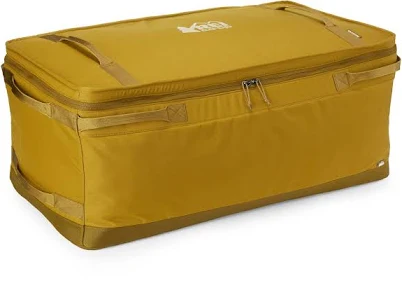
REI Co-op
Trailgate Gear Bin Green 140 L
- Polypropylene storage bin, no water-resistant coating mentioned
- UV degradation and additive leaching
3 hazards checked on this product. See all of them.
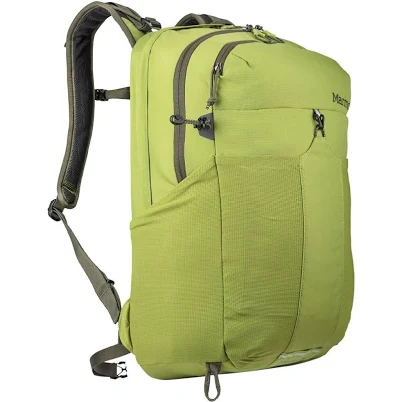
Marmot
Tool Box
- Nylon, polyester, cotton blend; details unspecified
- Volatile organic compounds (VOCs) from polyester and nylon manufacturing
5 hazards checked on this product. See all of them.
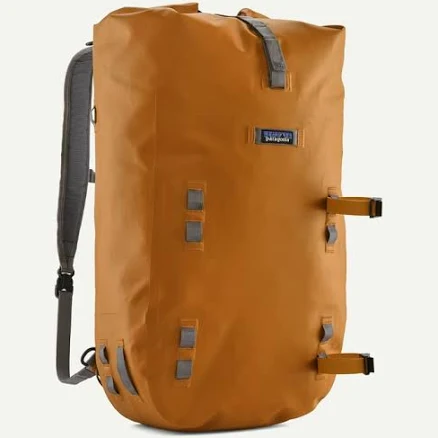
Patagonia
Disperser Roll Top Pack 40L
- Recycled polyester with water-repellent coating (water-repellent coating) finish
- The brand calls it PFAS-free, which we have not verified
- PFAS
4 hazards checked on this product. See all of them.
More waterproof outdoor gear storage bags grades
How we score, every product runs through the same public 0-100 rubric based on materials, coatings, brand disclosure, lab findings, and recalls. See the full methodology → Spotted a mistake? Report an error.