Griffin · Waterproof Phone Cases
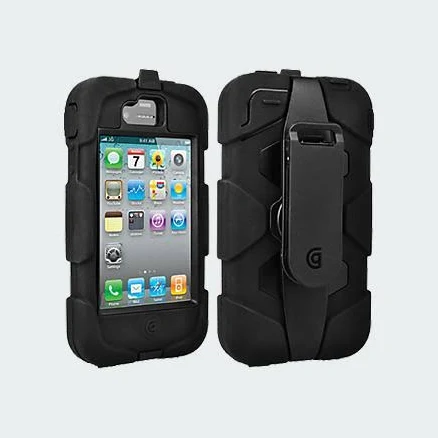
Griffin Survivor Case with Belt Clip for Apple iPhone 4/4S GB01902
Lower concern phone case. No PFAS-prone materials identified.
Griffin Survivor cases use polycarbonate, silicone, and elastomers without disclosed water-repellent coatings or stain treatments. No brand PFAS statement available, but core materials pose lower PFAS risk than treated textiles or coated cookware.
We flunk more products than we pass. This one earned its grade. How we grade
Material
Polycarbonate, silicone, TPE
Brand disclosure
Brand is silent on PFAS
Lab data
No public lab test
You may also be interested in
Top-graded picks in the categories readers replace first, every one scored on the same rubric.

- polypropylene filter housing, carbon/sediment cartridge
- We found no PFAS statement from the brand
- Bacterial growth in spent cartridges
3 hazards checked on this product, all on its full breakdown.

Aquasure
Premier Series 75 GPD Under Sink Reverse Osmosis Water Filtration System
- RO membrane, carbon filters, stainless steel housing
- We found no PFAS statement from the brand
- Bacterial and microbial growth in housing and filters
4 hazards checked on this product, all on its full breakdown.

Avocado
Vegan Mattress
- organic cotton, natural latex, coconut coir, recycled steel coils
- The brand calls it PFAS-free, which we have not verified
- Heavy metals
2 hazards checked on this product, all on its full breakdown.
What Griffin Survivor Case 4/4S GB01902 is made of, ingredients and materials
The Griffin Survivor case combines polycarbonate (hard outer shell), silicone, and TPE (thermoplastic elastomer) for shock absorption and grip. These are inert plastics with no inherent heavy metal or volatile organic compound issues in their base form. The dual-material design prioritizes mechanical protection over chemical leaching, since the case does not contact food, skin prolongedly, or heated liquids. The material mix is stable at room temperature and does not off-gas significantly under normal phone use.
What’s concerning
Category baseline
The starting point for this type of product, before anything specific to this product is counted.
No PFAS disclosure
No public statement from the brand about PFAS in this product.
Volatile organic compound (VOC) off-gassing
Molded polycarbonate and TPE can emit trace VOCs during the first days to weeks after manufacturing. Exposure is minimal due to distance from skin and mouth; any off-gassing dissipates quickly when the case is aired out.
What’s reassuring
Base material not linked to PFAS
The main material recorded for this product is not one associated with PFAS.
BPA & bisphenols
Polycarbonate, silicone, and TPE formulations used in phone cases do not typically include BPA or phthalate plasticizers. No recalls or testing reports indicate this product releases these compounds.
Source, FDA ↗Microplastic shedding
The case is not heated and remains solid under normal use. Microplastics are not a concern unless the material is ground, torn, or incinerated, which does not occur during typical phone case application.
Coating adhesion and degradation
This case is molded rather than coated, so adhesion failure and flaking are not relevant hazards. Cosmetic wear does not create chemical exposure.
Heavy metals
No public reports or recalls indicate cadmium, lead, or antimony in Griffin phone cases. Standard injection-molded plastics for cases use minimal colorant loading and do not require heavy metal stabilizers.
Source, FDA ↗How is this PFAS grade calculated?
The brand's record and disclosure
Griffin Technology has no public chemical safety disclosures or third-party certifications on record for this product line. The brand has not faced major recalls related to toxic material in cases or accessories. No independent testing reports comparing Griffin cases to competitor safety standards are publicly available. The belt clip variant does not trigger additional material concerns beyond the base case composition.
How it compares in its category
Phone cases are lower-risk consumer goods compared to food-contact plastics or textiles because they avoid skin contact, heating, and ingestion scenarios that activate leaching. The polycarbonate-TPE-silicone combination is standard in protective cases and does not represent an outlier in material choice. Cases with painted or dyed finishes (not confirmed here) carry slightly higher risk; solid-color molded cases like this reduce that concern. The belt clip is a minor mechanical addition and does not introduce chemical hazards.
If you buy it
Clean the case regularly with mild soap and water to remove dirt and microbes that may accumulate in the textured silicone. Avoid prolonged direct sunlight, which can degrade TPE and silicone over years, though this does not release harmful chemicals at typical exposure levels. Do not subject the case to sustained heat above 70 degrees Celsius; normal phone operation poses no risk. Replace the case if cracks, peeling, or separation of materials occur, as this compromises its protective function rather than creating chemical exposure.
What is not known about PFAS in this product?
- Basis
- Model estimate, 70% confidence, not a lab result
- Lab test
- None on record for this exact product
- Brand statement
- Griffin has made none
Formulations change between production runs, so check the current label. How we grade.
What are the PFAS-free alternatives to Griffin Survivor Case with Belt Clip for Apple iPhone 4/4S GB01902?
- Flax fiber and plant-based resin blend, compostable
- A third party reports verifying it as PFAS-free
- Coating degradation and durability over time
2 hazards checked on this product, all on its full breakdown.
- plant-based bioplastic (flax and other plant fibers)
- A third party reports verifying it as PFAS-free
- Thermal degradation and warping
3 hazards checked on this product, all on its full breakdown.
- Plant-based bioplastic (compostable blend)
- A third party reports verifying it as PFAS-free
- Bioplastic degradation and microparticle shedding
More waterproof phone cases grades
How we score, every product runs through the same public 0-100 rubric based on materials, coatings, brand disclosure, lab findings, and recalls. See the full methodology → Spotted a mistake? Report an error.