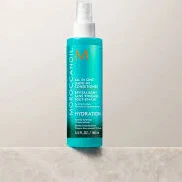
Leave-in Conditioner
Lower concern for a leave-in conditioner without known PFAS triggers.
This liquid conditioning emulsion has no waterproofing, nonstick, or stain-resistance claims requiring PFAS. The brand does not disclose PFAS avoidance.
We flunk more products than we pass. This one earned its grade. How we grade
Material
water-based conditioning emulsion, no known coating or treatment
Brand disclosure
Brand is silent on PFAS
Lab data
No public lab test
You may also be interested in
Top-graded picks in the categories readers replace first, every one scored on the same rubric.

- polypropylene filter housing, carbon/sediment cartridge
- We found no PFAS statement from the brand
- Bacterial growth in spent cartridges
3 hazards checked on this product, all on its full breakdown.

Aquasure
Premier Series 75 GPD Under Sink Reverse Osmosis Water Filtration System
- RO membrane, carbon filters, stainless steel housing
- We found no PFAS statement from the brand
- Bacterial and microbial growth in housing and filters
4 hazards checked on this product, all on its full breakdown.

Avocado
Vegan Mattress
- organic cotton, natural latex, coconut coir, recycled steel coils
- The brand calls it PFAS-free, which we have not verified
- Heavy metals
2 hazards checked on this product, all on its full breakdown.
What Leave-in Conditioner is made of, ingredients and materials
The brand's leave-in conditioner is a water-based emulsion formulated to coat and moisturize hair without rinsing. The product relies on standard conditioning ingredients (oils, silicones, humectants) suspended in water with preservatives and stabilizers to maintain shelf life and texture. Unlike rinse-out products, leave-in conditioners remain on hair and scalp longer, so any problematic ingredients have extended contact time, though the quantity applied is typically small. Water-based formulations generally pose lower chemical volatility risk than oil-heavy or silicone-heavy alternatives.
What’s concerning
Category baseline
The starting point for this type of product, before anything specific to this product is counted.
No PFAS disclosure
No public statement from the brand about PFAS in this product.
Preservative allergens and irritants
Leave-in conditioners require preservatives (commonly methylisothiazolinone, phenoxyethanol, or parabens) to prevent bacterial/fungal growth during extended wear on hair and scalp. The brand does not disclose its preservative system publicly; some preservatives are known sensitizers for individuals with fragrance or formaldehyde-releaser sensitivity.
Formaldehyde / VOCs
If the formula uses DMDM hydantoin, diazolidinyl urea, or imidazolidinyl urea (not uncommon in leave-ins), trace formaldehyde may be released over product life. The brand's ingredient list availability and preservative transparency are limited, so this cannot be ruled out without full disclosure.
Source, ATSDR ↗Fragrance allergens
Products are fragrant; undisclosed fragrance blends may contain allergenic compounds (limonene, linalool, geraniol) or respiratory irritants. No ingredient-by-ingredient breakdown is provided for fragrance, which is standard industry practice but limits allergen screening.
Scalp buildup and bacterial overgrowth
Leave-in conditioners worn continuously can trap sweat, oil, and dead skin cells, creating an environment favorable to bacterial or yeast overgrowth if the preservative system weakens or is insufficient. This is not a manufacturing defect but a use-case risk if hair and scalp hygiene is not maintained.
What’s reassuring
Base material not linked to PFAS
The main material recorded for this product is not one associated with PFAS.
Heavy metals
The brand's leave-in conditioner appears to be clear or neutral-toned and does not list synthetic dyes. No recalls or regulatory warnings for heavy metal contamination in this product line are documented. Risk is low but non-zero if any future colorant addition occurs.
Source, FDA ↗How is this PFAS grade calculated?
The brand's record and disclosure
The brand does not publicly disclose detailed ingredient sourcing, manufacturing certifications (such as Cruelty-Free or EWG verification), or a formal position on PFAS avoidance. The brand has no documented recalls or regulatory warnings on public databases as of recent data. Absence of transparency does not indicate absence of safety; however, it means consumers cannot verify third-party audit of formulation claims. The brand markets toward premium/natural positioning but does not substantiate this with third-party certification.
How it compares in its category
Leave-in conditioners vary widely in ingredient complexity and preservative systems. The brand's water-based approach is mainstream and less concerning than ultra-silicone or heavy-oil formulas that can build up on scalp over time. Many competing leave-ins (e.g., SheaMoisture, Cantu, Kinky-Curly) provide similar or more detailed ingredient transparency and some carry certifications; The brand sits in the mid-tier for disclosure. Pricing suggests a premium product, but premium positioning does not correlate reliably with safety profile in this category.
If you buy it
Apply sparingly to damp hair, focusing on mid-lengths and ends; excessive use on scalp may trap bacteria or build residue. Store in a cool, dry place away from direct sunlight to preserve the preservative system and prevent microbial growth. If you experience scalp irritation, itching, or unusual hair loss after introduction, discontinue and patch-test on a small section first. Replace if the product shows visible separation, odor change, or cloudiness, which may signal preservative breakdown.
What is not known about PFAS in this product?
- Basis
- Model estimate, 72% confidence, not a lab result
- Lab test
- None on record for this exact product
- Brand statement
- has made none
Formulations change between production runs, so check the current label. How we grade.
What are the PFAS-free alternatives to Leave-in Conditioner?
- Water, conditioning agents, organic plant extracts
- We found no PFAS statement from the brand
- Heavy metals
3 hazards checked on this product, all on its full breakdown.
- water-based conditioner, typical surfactants and botanical extracts
- We found no PFAS statement from the brand
- Heavy metals
3 hazards checked on this product, all on its full breakdown.
More conditioner grades
How we score, every product runs through the same public 0-100 rubric based on materials, coatings, brand disclosure, lab findings, and recalls. See the full methodology → Spotted a mistake? Report an error.