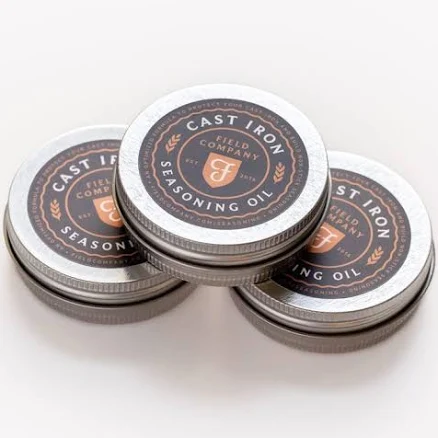
Field Company · Cast Iron Cookware Seasoning & Oil
Field Company Cast Iron Seasoning Oil
Lower concern. Hemp oil seasoning with no PFAS disclosure on bare cast iron.
Material as recorded is hemp oil seasoning applied to bare cast iron. Hemp oil is not a material linked to PFAS. Cast iron is bare with no coating on record. The brand has no PFAS statement on record.
The better-graded swap
Lodge
Cast Iron Seasoning Spray
85/100 safety
Same rubric that flunked this product. The swap earned Excellent.
Still want this one anyway? Check the price on Amazon. We’d swap it.
Material
Hemp oil seasoning, applied to bare cast iron
Brand disclosure
Brand is silent on PFAS
Lab data
No public lab test
You may also be interested in
Top-graded picks in the categories readers replace first, every one scored on the same rubric.

- polypropylene filter housing, carbon/sediment cartridge
- We found no PFAS statement from the brand
- Bacterial growth in spent cartridges
3 hazards checked on this product, all on its full breakdown.

Aquasure
Premier Series 75 GPD Under Sink Reverse Osmosis Water Filtration System
- RO membrane, carbon filters, stainless steel housing
- We found no PFAS statement from the brand
- Bacterial and microbial growth in housing and filters
4 hazards checked on this product, all on its full breakdown.

Avocado
Vegan Mattress
- organic cotton, natural latex, coconut coir, recycled steel coils
- The brand calls it PFAS-free, which we have not verified
- Heavy metals
2 hazards checked on this product, all on its full breakdown.
What Field Company Cast Iron Seasoning Oil is made of, ingredients and materials
Hemp oil is a plant-derived oil extracted from cannabis sativa seeds, composed primarily of polyunsaturated fatty acids (linoleic and alpha-linolenic acid). When applied to cast iron, it polymerizes under heat into a hard protective layer that prevents rust and enables non-stick cooking. Unlike synthetic coatings (Teflon-type coating/Teflon) or enamel glazes, hemp oil contains no intentional additives, pigments, or resins that would leach into food during normal cooking.
What’s concerning
Category baseline
The starting point for this type of product, before anything specific to this product is counted.
No PFAS disclosure
No public statement from the brand about PFAS in this product.
Oil oxidation and rancidity
Hemp oil contains polyunsaturated fats that oxidize over time, especially if stored warm or in light. Rancid oil can impart off-flavors or odors to food but is not acutely toxic at low levels; proper storage and timely re-seasoning minimize this risk.
Smoke or fume inhalation at high heat
Hemp oil begins to smoke around 330F. If cast iron is heated well above this temperature (e.g., 500F oven), the seasoning may degrade and emit acrid fumes. This is not unique to hemp oil but a property of all plant-based cooking oils; proper temperature management avoids this.
What’s reassuring
Base material not linked to PFAS
The main material recorded for this product is not one associated with PFAS.
Pesticide residue
No recalls or documented contamination of food-grade hemp oil with pesticides are on record for Field Company. However, without third-party testing data, residual pesticides cannot be ruled out; sourcing and farming practices are not publicly disclosed.
Source, EPA ↗Lead
Hemp oil itself does not contain lead or cadmium as inherent components. Contamination would only occur if the oil was processed or stored in contaminated vessels; no such incidents are documented for this brand.
Source, ATSDR ↗Coating degradation and flaking
Seasoning oils create a thin, food-safe polymerized layer; unlike synthetic coatings, they do not flake or shed particles into food. Mechanical wear exposes bare iron, not coating fragments.
How is this PFAS grade calculated?
The brand's record and disclosure
Field Company does not appear to have published third-party certifications, lab reports, or formal safety disclosures for this product in public records. The brand's stance on PFAS and other contaminants is silent. No recalls, safety complaints, or regulatory actions specific to this seasoning oil are on record. Absence of disclosure does not indicate a problem, but it means independent verification of purity (e.g., pesticide residues, heavy metals) is not publicly available.
How it compares in its category
Seasoning oils occupy a low-risk category compared to non-stick coatings or ceramic enamels. Plant-based oils (hemp, flaxseed, grapeseed) pose none of the Teflon-type coating fume risks or lead-in-glaze concerns of coated cookware. Cast iron seasoning is also reversible, if contamination or rancidity occurs, you can strip and re-season. Typical commercial cast iron seasonings use food-grade oils with similar profiles; hemp oil is standard in artisanal cookware markets.
If you buy it
Apply thin layers and heat to smoke point (around 330F for hemp oil) to allow polymerization; multiple thin coats have lower concern for becoming sticky or rancid compared to one thick layer. Store the bottle in a cool, dark place away from heat and light to prevent oxidation. Replace or refresh the seasoning layer every 6-12 months of heavy use, or if you notice rust spots or sticking. Do not heat cast iron beyond typical stovetop/oven temperatures (450F) with any oil seasoning, as degradation or smoke becomes likely.
What is not known about PFAS in this product?
- Basis
- Model estimate, 82% confidence, not a lab result
- Lab test
- None on record for this exact product
- Brand statement
- Field Company has made none
Formulations change between production runs, so check the current label. How we grade.
What are the PFAS-free alternatives to Field Company Cast Iron Seasoning Oil?
- Organic waxes and oils blend
- We found no PFAS statement from the brand
- Oil rancidity and off-gassing
2 hazards checked on this product, all on its full breakdown.
- mineral oil and soy-based oil blend
- Aerosol inhalation (mineral oil mist)
3 hazards checked on this product, all on its full breakdown.
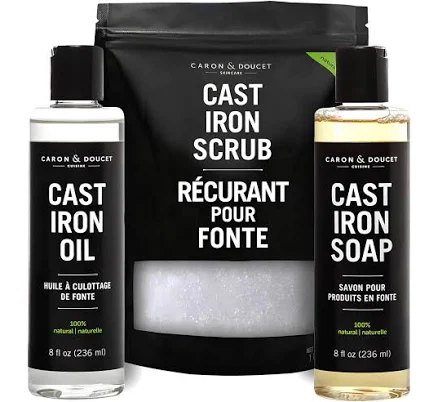
Cast Iron Ultimate Bundle
- cast iron, bare or seasoned with the brand
- We found no PFAS statement from the brand
- Iron leaching into food
2 hazards checked on this product, all on its full breakdown.
More cast iron cookware seasoning & oil grades
How we score, every product runs through the same public 0-100 rubric based on materials, coatings, brand disclosure, lab findings, and recalls. See the full methodology → Spotted a mistake? Report an error.