Host · Fabric Stain Guard Sprays
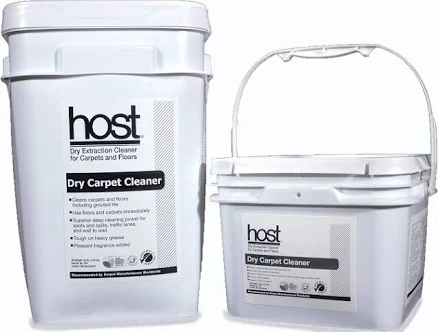
HOST Dry Carpet Cleaner
Lower concern dry cleaner, no PFAS claim or disclosure found.
HOST Dry Carpet Cleaner is a granular product with enzymatic and mineral components rather than a chemical spray treatment. No PFAS disclosures exist, but dry cleaners typically pose lower PFAS risk than waterproofing or stain-resistant treatments.
We flunk more products than we pass. This one earned its grade. How we grade
Material
Enzymatic granules, mineral-based absorbers
Brand disclosure
Brand is silent on PFAS
Lab data
No public lab test
You may also be interested in
Top-graded picks in the categories readers replace first, every one scored on the same rubric.

Aqua Pure
3M Aqua-Pure AP802B Whole House Filter Housing
- polypropylene filter housing, carbon/sediment cartridge
- We found no PFAS statement from the brand
- Bacterial growth in spent cartridges
3 hazards checked on this product. See all of them.

Aquasure
Premier Series 75 GPD Under Sink Reverse Osmosis Water Filtration System
- RO membrane, carbon filters, stainless steel housing
- We found no PFAS statement from the brand
- Bacterial and microbial growth in housing and filters
4 hazards checked on this product. See all of them.

Avocado
Vegan Mattress
- organic cotton, natural latex, coconut coir, recycled steel coils
- The brand calls it PFAS-free, which we have not verified
- Heavy metals
2 hazards checked on this product. See all of them.
What HOST Dry Carpet Cleaner is made of, ingredients and materials
HOST is a granular product combining proteolytic enzymes (typically subtilisin or similar) with mineral-based absorbent carriers such as diatomaceous earth or silica. The enzymes break down organic soils (proteins, fats) so they can be vacuumed out, while the mineral base absorbs moisture and oils. This chemistry avoids water saturation and the mold/mildew risk associated with wet cleaning, which reduces concern for carpet structure and indoor air quality.
What’s concerning
No PFAS disclosure
No public statement from the brand about PFAS in this product.
Category baseline
The starting point for this type of product, before anything specific to this product is counted.
Enzyme inhalation and respiratory irritation
Protease enzymes in powder form can trigger airway irritation or allergic sensitization in susceptible individuals (asthma, enzyme occupational allergy history). Risk is low with typical consumer use but increases with prolonged exposure in poorly ventilated spaces or if product is aerosolized during application.
Silica or diatomaceous earth particle inhalation
Mineral carriers may contain crystalline silica, a known respiratory hazard at high cumulative doses. Consumer exposure from occasional carpet cleaning is below occupational thresholds, but chronic weekly use in unventilated areas warrants caution, particularly for users with existing lung disease.
Carpet fiber degradation from enzyme overuse
Excessive enzyme concentration or prolonged dwell time can hydrolyze wool and silk proteins, causing weakening or discoloration. This is a performance and durability risk rather than a direct human health hazard, but damage may release particulates or create mold entry points if carpet backing is exposed.
Mold or bacterial growth if residue remains damp
If mineral granules are not fully vacuumed or if carpet is resoiled with moisture before complete drying, residual organic matter and moisture can support microbial growth. This is mitigated by thorough vacuuming and keeping carpet dry post-treatment.
What’s reassuring
Base material not linked to PFAS
The main material recorded for this product is not one associated with PFAS.
Fragrance allergens (if present in formulation)
HOST labeling does not indicate fragrance additives in standard formulations, so fragrance-related contact sensitization is not a known concern for this product. However, some scented variants may exist regionally; check the specific label for fragrance disclosure.
The full breakdown
The brand's record and disclosure
HOST (owned by SC Johnson) has marketed this product for decades with a stable formulation. The company provides ingredient listings on labels and safety data sheets (SDS) but does not prominently advertise third-party certifications like Green Seal or Cradle to Cradle. No major product recalls or safety controversies linked to HOST Dry Carpet Cleaner are on record. The brand remains silent on PFAS exposure in manufacturing or residuals, which is typical for legacy household products in this category.
How it compares in its category
Dry carpet cleaners generally pose lower chemical hazard than solvent-based spot removers or steam cleaning chemicals because they avoid volatile organic compounds (VOCs) and quaternary ammonium compounds. HOST ranks in the middle of the dry-cleaner market in transparency; some competitors (e.g., Woolite, Folex) disclose enzyme type openly, while HOST's formula is proprietary. versus wet chemical cleaners, the dry-granule format reduces leaching risk into carpet backing and padding.
If you buy it
Apply to dry carpet only and allow 15 minutes for enzyme activation before vacuuming thoroughly. Use in well-ventilated areas to avoid inhalation of fine mineral particles, especially in homes with respiratory sensitivity. Do not use on natural silk, wool, or delicate fibers without a spot test; enzyme proteases can degrade protein-based fibers if concentration or dwell time is excessive. Discard unused product per label; enzymes degrade over time and effectiveness drops after 12-18 months of opening.
What we don’t know
- Basis
- Model estimate, 72% confidence, not a lab result
- Lab test
- None on record for this exact product
- Brand statement
- Host has made none
Formulations change between production runs, so check the current label. How we grade.
More fabric stain guard sprays grades
How we score, every product runs through the same public 0-100 rubric based on materials, coatings, brand disclosure, lab findings, and recalls. See the full methodology → Spotted a mistake? Report an error.