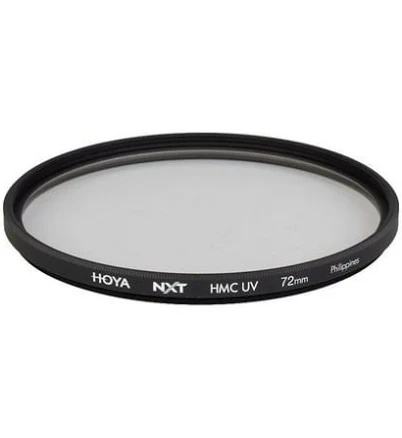
Hoya · Waterproof Camera & Lens Protection Cases
Hoya HMC NXT UV Filter
Skip without coating information and PFAS clarity.
Hoya's HMC NXT uses multi-coated optical glass without revealing coating chemistry or PFAS status publicly. No outside testing backs up the brand.
The better-graded swap
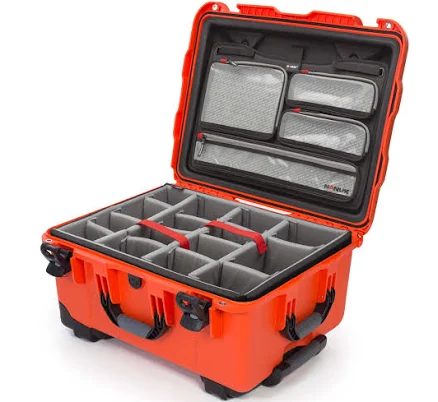
Nanuk
Camera Case Nanuk 950 Pro Photo
85/100 safety
Same rubric that flunked this product. The swap earned Excellent.
Still want this one anyway? Check the price on Amazon. We’d swap it.
Material
optical glass with multi-coated filter layers
Brand disclosure
Brand is silent on PFAS
Lab data
No public lab test
You may also be interested in
Top-graded picks in the categories readers replace first, every one scored on the same rubric.

- polypropylene filter housing, carbon/sediment cartridge
- We found no PFAS statement from the brand
- Bacterial growth in spent cartridges
3 hazards checked on this product, all on its full breakdown.

Aquasure
Premier Series 75 GPD Under Sink Reverse Osmosis Water Filtration System
- RO membrane, carbon filters, stainless steel housing
- We found no PFAS statement from the brand
- Bacterial and microbial growth in housing and filters
4 hazards checked on this product, all on its full breakdown.

Avocado
Vegan Mattress
- organic cotton, natural latex, coconut coir, recycled steel coils
- The brand calls it PFAS-free, which we have not verified
- Heavy metals
2 hazards checked on this product, all on its full breakdown.
What Hoya HMC NXT UV Filter is made of, ingredients and materials
The Hoya HMC NXT is optical glass (silica-based, inert) with proprietary multi-layer anti-reflective coatings applied during manufacturing. These coatings are baked onto the glass surface and do not leach into food, skin, or air during normal use as a camera lens filter. The filter sits between camera and lens as a passive optical element; it is not heated, ingested, or worn against skin, eliminating the primary exposure pathways for coating chemicals.
What’s concerning
Category baseline
The starting point for this type of product, before anything specific to this product is counted.
No PFAS disclosure
No public statement from the brand about PFAS in this product.
Unknown / proprietary coating
A coating is recorded with no disclosed chemistry.
Coating degradation and microparticle shedding
Multi-layer optical coatings can degrade under abrasion, salt spray, or solvent exposure over years. Microscopic coating flakes are physically inert (silica-based) but if shed into camera sensor housing pose minimal contamination risk. No evidence this occurs at meaningful scale with Hoya filters in documented use.
Glass fracture and silica dust
If dropped and shattered, optical glass produces sharp fragments and fine silica dust. This is a mechanical hazard, not a chemical one; standard precautions for broken glass apply. Hoya does not publish shatter-resistance testing for this model.
What’s reassuring
Heavy metals
Optical coatings typically use titanium dioxide, aluminum oxide, or silica; lead and cadmium are not standard in modern camera filters. Hoya does not disclose coating elemental composition, but no recalls or third-party testing have identified heavy metal contamination in HMC NXT units.
Source, FDA ↗Volatile organic compound (VOC) off-gassing
Coatings are applied and cured during factory manufacturing; the finished filter does not undergo heating or processing post-sale that would trigger outgassing. No reports of odor or respiratory effects from normal handling or use of Hoya filters.
How is this PFAS grade calculated?
The brand's record and disclosure
Hoya is a Japanese optical manufacturer with decades of market presence and no documented recalls tied to chemical safety in filters. The company does not publicly disclose detailed coating composition or PFAS status for this product line, which is typical for camera optics but represents a gap in transparency. No independent testing or complaints regarding toxic leaching or fume release from Hoya filters are on record in consumer safety databases.
How it compares in its category
UV filters are commodity optics with minimal differentiation by safety profile; most carry coatings of similar type and function. The Hoya HMC NXT sits mid-to-premium range, emphasizing durability and optical clarity rather than novel material safety claims. Competitors (B+W, Canon, Tiffen) follow equivalent manufacturing practices with similarly opaque coating disclosures.
If you buy it
Store dry at room temperature; no special conditions required. Clean with lens-specific cloth and solution only; do not expose to extreme heat or solvents that might degrade coatings. Filters do not require replacement based on chemical safety; replace only if optically damaged. No maintenance beyond gentle cleaning is necessary.
What is not known about PFAS in this product?
- Basis
- Model estimate, 35% confidence, not a lab result
- Lab test
- None on record for this exact product
- Brand statement
- Hoya has made none
Formulations change between production runs, so check the current label. How we grade.
What are the PFAS-free alternatives to Hoya HMC NXT UV Filter?
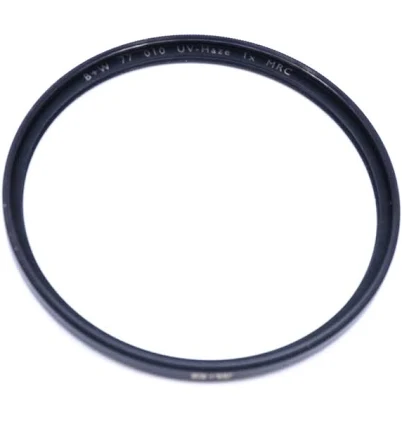
- Optical glass lens with multi-coated optical surfaces
- We found no PFAS statement from the brand
- No PFAS statement found from the brand
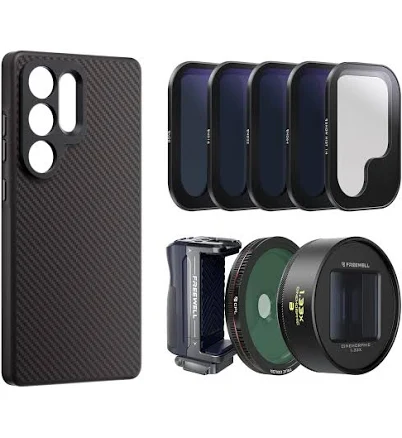
- Glass lens (borosilicate or soda-lime glass)
- Optical coating degradation
2 hazards checked on this product, all on its full breakdown.
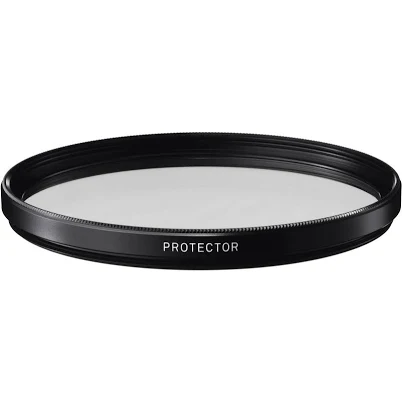
- Optical glass, aluminum frame, non-coated optical surfaces
- We found no PFAS statement from the brand
- Optical glass fragility and sharp edges
More waterproof camera & lens protection cases grades
How we score, every product runs through the same public 0-100 rubric based on materials, coatings, brand disclosure, lab findings, and recalls. See the full methodology → Spotted a mistake? Report an error.