B+W · Waterproof Camera & Lens Protection Cases
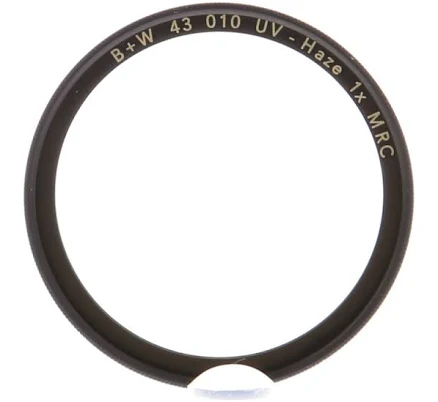
B&W B+W UV-Filter F-Pro 010 MRC 77
Optical glass filter with no PFAS disclosure; lower concern likely.
UV filters are optical glass with anti-reflective multi-coatings. B+W discloses nothing about PFAS content, though glass itself is not associated with PFAS; coating composition remains unknown.
The better-graded swap
DiCAPac
WP-570 Waterproof Case
85/100 safety
Same rubric that flunked this product. The swap earned Excellent.
Still want this one anyway? Check the price on Amazon. We’d swap it.
Material
optical glass with multi-coated (MRC) lens coating
Brand disclosure
Brand is silent on PFAS
Lab data
No public lab test
You may also be interested in
Top-graded picks in the categories readers replace first, every one scored on the same rubric.

- polypropylene filter housing, carbon/sediment cartridge
- We found no PFAS statement from the brand
- Bacterial growth in spent cartridges
3 hazards checked on this product, all on its full breakdown.

Aquasure
Premier Series 75 GPD Under Sink Reverse Osmosis Water Filtration System
- RO membrane, carbon filters, stainless steel housing
- We found no PFAS statement from the brand
- Bacterial and microbial growth in housing and filters
4 hazards checked on this product, all on its full breakdown.

Avocado
Vegan Mattress
- organic cotton, natural latex, coconut coir, recycled steel coils
- The brand calls it PFAS-free, which we have not verified
- Heavy metals
2 hazards checked on this product, all on its full breakdown.
What B&W B+W UV-Filter F-Pro 010 MRC 77 is made of, ingredients and materials
The B+W F-Pro 010 is a UV absorption filter made from optical glass with multi-coated (MRC) anti-reflection lens coatings. The glass itself is chemically inert and does not leach or off-gas during normal use. The MRC coating is a thin multilayer stack of metal oxides (typically magnesium fluoride, aluminum oxide, or similar) designed to reduce reflections and improve light transmission; these materials are standard in optics and not known to degrade into hazardous byproducts under normal handling or light exposure.
What’s concerning
Category baseline
The starting point for this type of product, before anything specific to this product is counted.
No PFAS disclosure
No public statement from the brand about PFAS in this product.
Unknown / proprietary coating
A coating is recorded with no disclosed chemistry.
Manufacturing residues on coating surface
New optical filters may have light dust, oils, or manufacturing residue on the glass surface, but these are external contaminants, not hazardous materials. Simple lens cleaning before first use resolves this.
What’s reassuring
Coating delamination or degradation
Multi-coated optical filters can theoretically degrade if exposed to extreme humidity, temperature cycling, or harsh solvents, but this is not established as a problem for B+W MRC filters under normal use. Damage would be optical (loss of coating function) rather than a health hazard.
Heavy metals
Oxide-based MRC coatings do not contain cadmium, lead, or other regulated heavy metals. Professional optics manufacturing is not associated with toxic metal contamination in this product class.
Source, FDA ↗Leaching or off-gassing from glass or coatings
Optical glass is chemically stable and does not leach contaminants into food, water, or skin. Metal oxide coatings are similarly inert and do not off-gas volatile compounds during normal light exposure or handling.
How is this PFAS grade calculated?
The brand's record and disclosure
B+W (Schneider Optics) has not published explicit PFAS-free certifications for optical filters, but the product category (glass optics) is not flagged in major PFAS disclosure campaigns. The brand is an established German optics manufacturer with no public safety recalls or health controversies related to optical filters. Disclosure is minimal, which is typical for optics; the lack of transparency is not an indicator of hidden risk in this case.
How it compares in its category
Optical glass filters are inherently low-risk compared to coated cookware or chemical-laden cosmetics. UV filters of this type are a commodity; Hoya, Kenko, and other competitors use similar optical glass and oxide coatings. The MRC coating in this model is standard professional-grade optics technology with no meaningful differentiation in safety profile between brands in this segment.
If you buy it
Store the filter in a clean, dry case to prevent dust and fingerprints. Do not expose it to extreme temperature swings or solvents; lens cleaning fluid and soft cloths are appropriate. The glass and coating are durable indefinitely under normal photographic use. No maintenance beyond occasional cleaning is required; replacement is not necessary unless optical degradation becomes visible (rare without physical damage).
What is not known about PFAS in this product?
- Basis
- Model estimate, 72% confidence, not a lab result
- Lab test
- None on record for this exact product
- Brand statement
- B+W has made none
Formulations change between production runs, so check the current label. How we grade.
What are the PFAS-free alternatives to B&W B+W UV-Filter F-Pro 010 MRC 77?
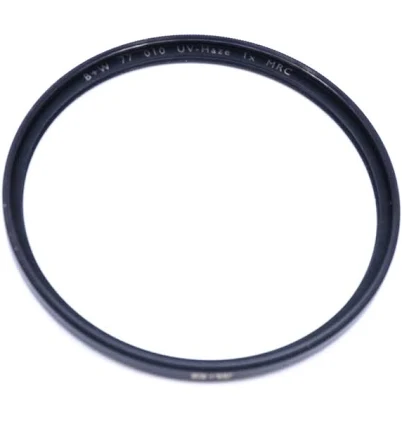
- Optical glass lens with multi-coated optical surfaces
- We found no PFAS statement from the brand
- No PFAS statement found from the brand
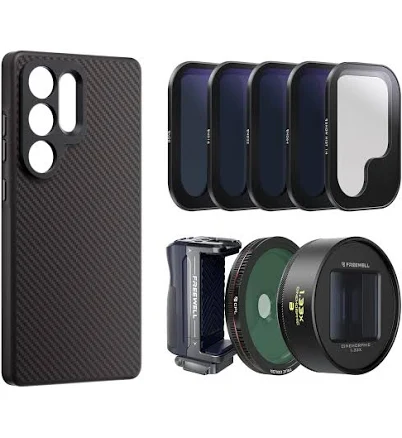
- Glass lens (borosilicate or soda-lime glass)
- Optical coating degradation
2 hazards checked on this product, all on its full breakdown.
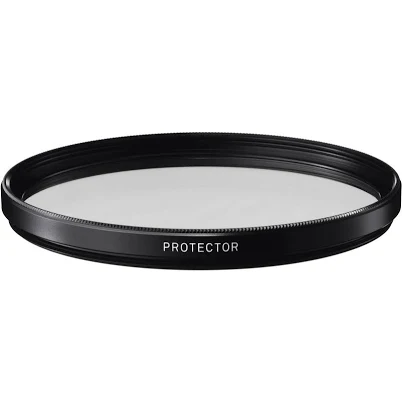
- Optical glass, aluminum frame, non-coated optical surfaces
- We found no PFAS statement from the brand
- Optical glass fragility and sharp edges
More waterproof camera & lens protection cases grades
How we score, every product runs through the same public 0-100 rubric based on materials, coatings, brand disclosure, lab findings, and recalls. See the full methodology → Spotted a mistake? Report an error.