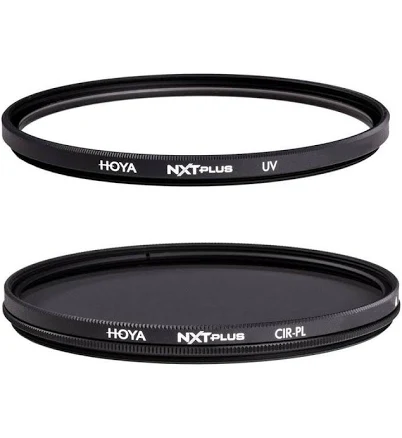
Hoya · Waterproof Camera & Lens Protection Cases
Hoya NXT Plus UV Filter
Coating formula undisclosed by brand.
Hoya NXT Plus UV filters contain optical glass with proprietary UV coatings that remain secret. The brand won't say if PFAS is involved.
The better-graded swap
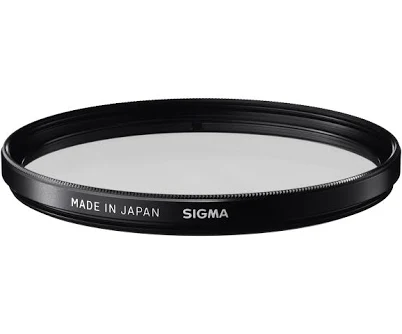
Sigma
Sigma WR UV Filter
85/100 safety
Same rubric that flunked this product. The swap earned Excellent.
Still want this one anyway? Check the price on Amazon. We’d swap it.
Material
Optical glass with UV-absorbing coating
Brand disclosure
Brand is silent on PFAS
Lab data
No public lab test
You may also be interested in
Top-graded picks in the categories readers replace first, every one scored on the same rubric.

- polypropylene filter housing, carbon/sediment cartridge
- We found no PFAS statement from the brand
- Bacterial growth in spent cartridges
3 hazards checked on this product, all on its full breakdown.

Aquasure
Premier Series 75 GPD Under Sink Reverse Osmosis Water Filtration System
- RO membrane, carbon filters, stainless steel housing
- We found no PFAS statement from the brand
- Bacterial and microbial growth in housing and filters
4 hazards checked on this product, all on its full breakdown.

Avocado
Vegan Mattress
- organic cotton, natural latex, coconut coir, recycled steel coils
- The brand calls it PFAS-free, which we have not verified
- Heavy metals
2 hazards checked on this product, all on its full breakdown.
What Hoya NXT Plus UV Filter is made of, ingredients and materials
Hoya NXT Plus UV filters are precision optical glass with a UV-absorbing multi-coat treatment applied to the surface. The glass substrate itself is chemically inert and poses no leaching risk under normal use. The coating's exact composition is proprietary, but standard UV-blocking lens coatings typically use metal oxides and resins; without Hoya's disclosure, coating durability and potential degradation byproducts remain unverified by independent sources.
What’s concerning
Category baseline
The starting point for this type of product, before anything specific to this product is counted.
No PFAS disclosure
No public statement from the brand about PFAS in this product.
Unknown / proprietary coating
A coating is recorded with no disclosed chemistry.
Coating composition opacity
Hoya does not disclose the specific resin or metal oxide components in the NXT Plus UV coating. Without transparency, PFAS presence in the coating binder cannot be ruled out, though standard optical coatings typically avoid PFAS due to manufacturing constraints.
Coating degradation over time
Multi-layer optical coatings can delaminate or show edge separation after 5-10 years of use, especially if exposed to moisture or temperature swings. Degradation byproducts have not been characterized in public literature for this product.
What’s reassuring
Glass substrate safety
Optical-grade glass is chemically stable and does not leach lead, cadmium, or other heavy metals under normal handling. No glass-related hazards are documented for this product category.
Manufacturing VOCs or residues
Hoya manufactures lenses in controlled facilities with certification; no independent reports of VOC off-gassing or solvent residues on packaged filters exist in consumer safety literature.
Allergic contact dermatitis from handling
Optical glass and standard lens coatings are not sensitizers. No formaldehyde resins, azo dyes, or known allergens are typical in optical coating formulations.
How is this PFAS grade calculated?
The brand's record and disclosure
Hoya is a major Japanese optical manufacturer with decades of clinical and consumer lens production; they maintain ISO 9001 and ISO 13485 certifications for precision optics. The company does not publicly disclose PFAS use in coatings or manufacturing, nor do they publish material safety data sheets for consumer-level filters. No significant product recalls or safety controversies linked to Hoya optical filters appear in public records.
How it compares in its category
UV filters occupy a niche safety position, they are passive optical components with no active chemistry, unlike sunscreens or water filters. Hoya NXT Plus is a mid-to-premium offering; competitor filters (B+W, Tiffen, Nikon) are similarly opaque in coating composition. Glass-based filters present lower concern than plastic UV filters, which can leach or degrade with heat and light exposure over years.
If you buy it
Store the filter in a dry case to prevent coating degradation from moisture. Clean only with microfiber cloths and lens solution; avoid alcohol-based cleaners that may damage the anti-reflective coating. Inspect annually for visible coating wear (cloudiness, separation from glass edge); replace if damage is evident. No heat or chemical exposure hazards exist in normal photographic use.
What is not known about PFAS in this product?
- Basis
- Model estimate, 60% confidence, not a lab result
- Lab test
- None on record for this exact product
- Brand statement
- Hoya has made none
Formulations change between production runs, so check the current label. How we grade.
What are the PFAS-free alternatives to Hoya NXT Plus UV Filter?
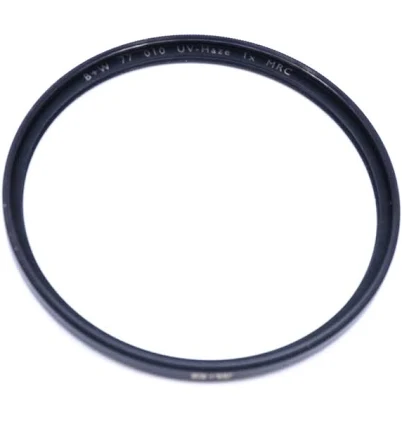
- Optical glass lens with multi-coated optical surfaces
- We found no PFAS statement from the brand
- No PFAS statement found from the brand
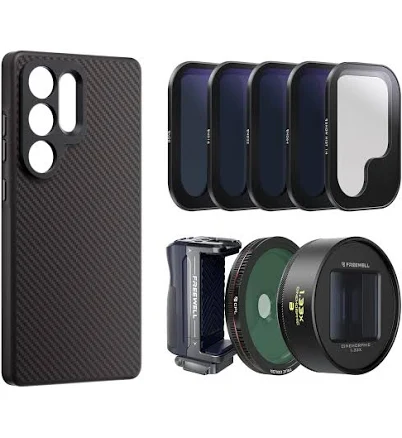
- Glass lens (borosilicate or soda-lime glass)
- Optical coating degradation
2 hazards checked on this product, all on its full breakdown.
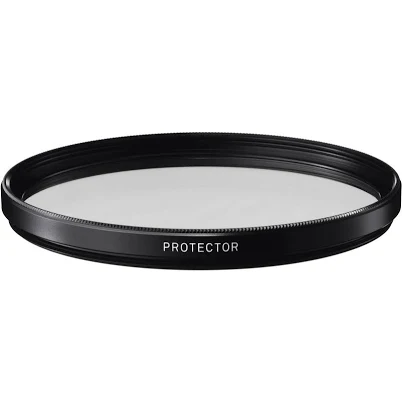
- Optical glass, aluminum frame, non-coated optical surfaces
- We found no PFAS statement from the brand
- Optical glass fragility and sharp edges
More waterproof camera & lens protection cases grades
How we score, every product runs through the same public 0-100 rubric based on materials, coatings, brand disclosure, lab findings, and recalls. See the full methodology → Spotted a mistake? Report an error.