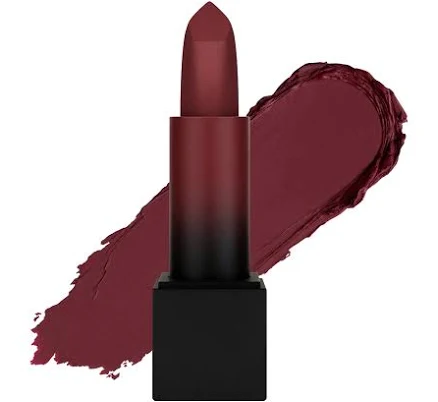
Huda Beauty · Lip Balm & Long-Wear Lipstick
Huda Beauty Power Bullet Matte Lipstick Bachelorette
Typical matte lipstick. Lower concern but no PFAS transparency.
Matte lipsticks commonly use waxes and pigments without intentional PFAS. Huda Beauty provides no public PFAS disclosure for this product, which is standard for cosmetics but limits verification.
We flunk more products than we pass. This one earned its grade. How we grade
Material
wax, oils, pigments in typical lipstick base
Brand disclosure
Brand is silent on PFAS
Lab data
No public lab test
You may also be interested in
Top-graded picks in the categories readers replace first, every one scored on the same rubric.

- polypropylene filter housing, carbon/sediment cartridge
- We found no PFAS statement from the brand
- Bacterial growth in spent cartridges
3 hazards checked on this product, all on its full breakdown.

Aquasure
Premier Series 75 GPD Under Sink Reverse Osmosis Water Filtration System
- RO membrane, carbon filters, stainless steel housing
- We found no PFAS statement from the brand
- Bacterial and microbial growth in housing and filters
4 hazards checked on this product, all on its full breakdown.

Avocado
Vegan Mattress
- organic cotton, natural latex, coconut coir, recycled steel coils
- The brand calls it PFAS-free, which we have not verified
- Heavy metals
2 hazards checked on this product, all on its full breakdown.
What Huda Beauty Power Bullet Bachelorette is made of, ingredients and materials
Huda Beauty Power Bullet matte lipsticks use a wax-oil base (typically containing beeswax, candelilla wax, or plant waxes) mixed with pigments and emollients to achieve color and lasting wear. Matte formulations rely on higher pigment loads and film-forming agents to reduce shine; this increases the surface area of colorants in contact with lips. The 'Bachelorette' shade is a warm nude-berry tone, likely containing iron oxides and possibly organic dyes or lakes (FD&C/D&C certified pigments) as colorant sources. Wax bases are generally low-risk for oral ingestion in normal use amounts, though cumulative pigment exposure over time is worth monitoring in frequent users.
What’s concerning
Category baseline
The starting point for this type of product, before anything specific to this product is counted.
No PFAS disclosure
No public statement from the brand about PFAS in this product.
Lead
Lipsticks using iron oxide pigments and organic colorant lakes (FD&C approved) generally have low heavy metal loads under FDA oversight, but independent testing of Huda Beauty matte lipsticks is not available in public records. Cumulative ingestion from frequent reapplication is the primary exposure route.
Source, ATSDR ↗Fragrance allergens
Lipsticks often contain synthetic fragrances or essential oils to mask wax odor and enhance sensory experience. Huda Beauty does not list fragrance ingredients separately on packaging, preventing individual allergen identification; users with fragrance sensitivity should request detailed ingredient disclosure from the brand.
What’s reassuring
Base material not linked to PFAS
The main material recorded for this product is not one associated with PFAS.
1,4-dioxane (preservative contaminant)
No reported presence of 1,4-dioxane in Huda Beauty lipsticks; however, the brand does not publicly disclose preservative systems or confirm 1,4-dioxane testing, so absence from reports does not guarantee absence from the product.
Formaldehyde / VOCs
No established record of formaldehyde releasers (e.g., dmdm hydantoin, imidazolidinyl urea) in this product line. Wax-based anhydrous formulations have lower microbial risk than water-containing creams, reducing preservative burden.
Source, ATSDR ↗Talc contamination
Huda Beauty matte lipsticks do not list talc as an ingredient; matte texture is typically achieved through wax blends and pigment loading rather than mineral fillers. Talc risk is not applicable to this specific formulation.
How is this PFAS grade calculated?
The brand's record and disclosure
Huda Beauty does not publicly disclose detailed ingredient sourcing, heavy metal testing, or third-party safety certifications on this product line. The brand has not faced major lipstick-related recalls or disclosed safety controversies in the established record. Huda Beauty does not advertise PFAS-free status or provide transparency on PFAS "forever chemicals" in matte formulations. Standard industry practice suggests compliance with FDA color additive regulations, but independent verification is absent from public sources.
How it compares in its category
Matte lipsticks across the market (Maybelline, MAC, Charlotte Tilbury, etc.) use similar wax-pigment architectures; Huda Beauty's formulation sits in the mainstream safety profile with no known differentiator. Premium brands in this tier rarely exceed regulatory minimums for transparency. Matte finishes inherently carry slightly higher pigment loads than glosses, placing them in the middle of the risk spectrum; this is not unique to Huda. Indie and clean-beauty brands often provide heavier metal testing or PFAS statements, making them a comparator if transparency is your priority.
If you buy it
Apply lipstick to lips only; avoid ingestion and prolonged contact with mucous membranes beyond normal wear. Store in a cool, dry place away from direct sunlight to prevent wax softening and pigment degradation. Replace the product if texture changes, discoloration occurs, or it develops an off odor, which may indicate rancidity or microbial growth (typical shelf life 12-24 months after opening). Monitor for allergic reaction or irritation, especially if you have sensitive skin or a history of cosmetic sensitivity; patch test on a small lip area first if concerned.
What is not known about PFAS in this product?
- Basis
- Model estimate, 72% confidence, not a lab result
- Lab test
- None on record for this exact product
- Brand statement
- Huda Beauty has made none
Formulations change between production runs, so check the current label. How we grade.
More lip balm & long-wear lipstick grades
How we score, every product runs through the same public 0-100 rubric based on materials, coatings, brand disclosure, lab findings, and recalls. See the full methodology → Spotted a mistake? Report an error.