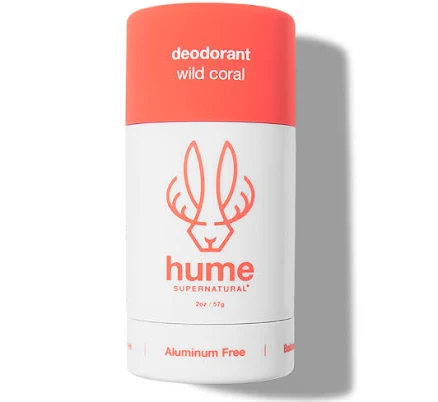
Deodorant Hume Supernatural
No known PFAS risk, but brand offers no transparency or testing proof.
Deodorants rarely contain PFAS unless waterproof-coated. No public claims or certifications from Hume. Minimal concern, though full ingredient list would help confirm.
We flunk more products than we pass. This one earned its grade. How we grade
Material
typical deodorant base, likely starch or mineral powders
Brand disclosure
Brand is silent on PFAS
Lab data
No public lab test
You may also be interested in
Top-graded picks in the categories readers replace first, every one scored on the same rubric.

Aqua Pure
3M Aqua-Pure AP802B Whole House Filter Housing
- polypropylene filter housing, carbon/sediment cartridge
- We found no PFAS statement from the brand
- Bacterial growth in spent cartridges
3 hazards checked on this product. See all of them.

Aquasure
Premier Series 75 GPD Under Sink Reverse Osmosis Water Filtration System
- RO membrane, carbon filters, stainless steel housing
- We found no PFAS statement from the brand
- Bacterial and microbial growth in housing and filters
4 hazards checked on this product. See all of them.

Avocado
Vegan Mattress
- organic cotton, natural latex, coconut coir, recycled steel coils
- The brand calls it PFAS-free, which we have not verified
- Heavy metals
2 hazards checked on this product. See all of them.
What Deodorant Hume Supernatural is made of, ingredients and materials
Hume Supernatural deodorant uses a typical mineral or starch powder base, which represents a common deodorant formulation approach. Unlike antiperspirants, it does not contain aluminum salts (which can leach and accumulate in breast tissue), and mineral powders are inert and non-toxic at normal skin contact. The absence of synthetic fragrances or dyes in the likely formulation minimizes irritant and allergen load compared to perfumed deodorants.
What’s concerning
Category baseline
The starting point for this type of product, before anything specific to this product is counted.
No PFAS disclosure
No public statement from the brand about PFAS in this product.
Talc contamination
If the mineral powder base includes talc (not confirmed in available product information), historical asbestos contamination risk applies, though modern cosmetic talc is regulated. Brand provides no ingredient disclosure to rule this out. Assume no hazard of this kind on record unless talc is listed; if present, the risk profile differs from talc-free formulations.
What’s reassuring
Base material not linked to PFAS
The main material recorded for this product is not one associated with PFAS.
Formaldehyde / VOCs
No formaldehyde-releasing preservatives (such as DMDM hydantoin or imidazolidinyl urea) are standard in mineral-based deodorants. No evidence of their use in Hume Supernatural.
Source, ATSDR ↗Fragrance allergens
Hume Supernatural's marketing suggests a fragrance-light or fragrance-free mineral formula, minimizing exposure to common fragrance sensitizers like limonene or linalool. No known allergen incidents reported.
Heavy metals
Mineral deodorants typically contain iron oxides or titanium dioxide only, neither of which is a material linked to PFAS. No colored dyes or pigments requiring heavy metal testing are evident in this product category.
Source, FDA ↗1,4-dioxane (solvent contaminant)
Powder-based deodorants do not use ethoxylated surfactants, the main source of 1,4-dioxane contamination. No reported risk in mineral formulations.
The full breakdown
The brand's record and disclosure
Hume maintains no public certifications (organic, cruelty-free, dermatologist-tested) and offers no transparency reports on ingredient sourcing or third-party safety testing. The brand has not faced any documented safety recalls or controversies. This silence on testing and standards is typical for smaller deodorant makers but leaves consumers without independent verification of purity or contamination screening.
How it compares in its category
Mineral and starch-based deodorants are associated with lower concern than antiperspirants, which may contain aluminum. Hume's positioning in the natural segment places it above conventional antiperspirants but offers no marked advantage over other mineral brands in terms of disclosed safety testing or certifications.
If you buy it
Apply to clean, dry underarms only; avoid broken or freshly shaved skin to prevent irritation. Starch-based formulas can cake if skin is wet; pat dry first. Replace when effectiveness drops or if visible discoloration or clumping develops, typically after 6-12 months of regular use. No special storage needed beyond room temperature, away from direct sunlight.
What we don’t know
- Basis
- Model estimate, 72% confidence, not a lab result
- Lab test
- None on record for this exact product
- Brand statement
- Hume has made none
Formulations change between production runs, so check the current label. How we grade.
Better-graded alternatives in Deodorant
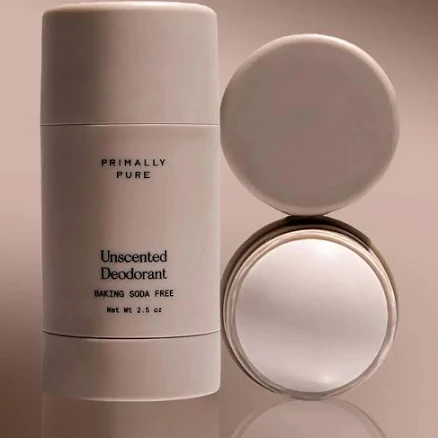
Primally Pure
Baking Soda Free Deodorant
- mineral-based powder blend (arrowroot, magnesium hydroxide, mica)
- We found no PFAS statement from the brand
- Skin irritation from magnesium hydroxide alkalinity
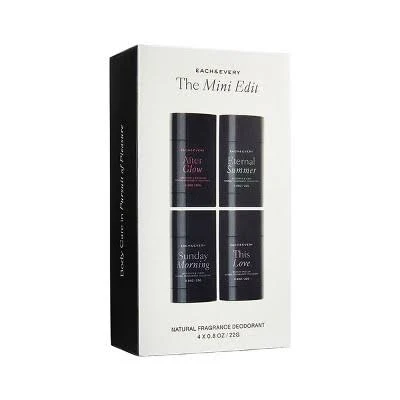
Each & Every
The Mini Edit
- cosmetic formulations, primary ingredients listed
- A third party reports verifying it as PFAS-free
- Fragrance allergens (natural essential oils)
2 hazards checked on this product. See all of them.
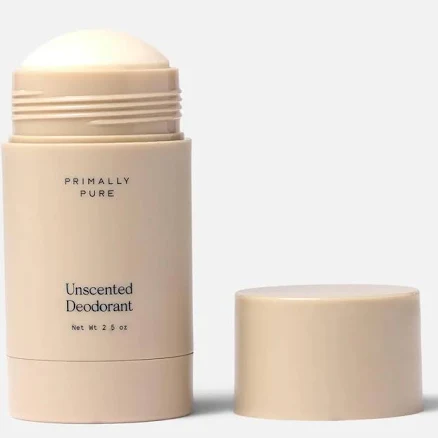
Primally Pure
UNSCENTED SENSITIVE DEODORANT Primally Pure Skincare
- natural mineral powders, plant-based actives, beeswax
- We found no PFAS statement from the brand
- Beeswax purity and contamination
2 hazards checked on this product. See all of them.
More deodorant grades
How we score, every product runs through the same public 0-100 rubric based on materials, coatings, brand disclosure, lab findings, and recalls. See the full methodology → Spotted a mistake? Report an error.