Hydro Flask · Portable Water Bottles
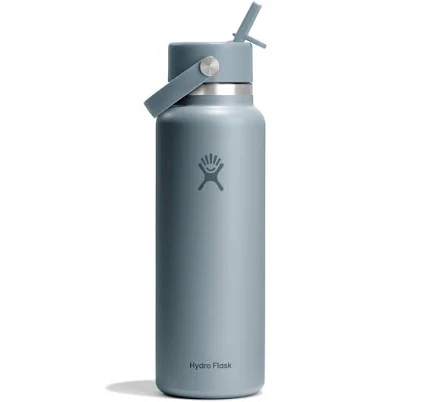
Hydro Flask Wide Mouth Cap Bottle
Lower concern; stainless steel core has minimal PFAS risk.
Hydro Flask's stainless steel construction holds this wide mouth bottle. Basic plastic cap poses minimal PFAS concern.
We flunk more products than we pass. This one earned its grade. How we grade
Material
stainless steel bottle with plastic cap
Lab data
No public lab test
What Hydro Flask Wide Mouth Cap Bottle is made of, ingredients and materials
The Hydro Flask Wide Mouth bottle uses 18/8 stainless steel (304 grade) for the container walls, which is highly corrosion-resistant and does not leach metals under normal beverage storage. The plastic cap is typically polypropylene or similar commodity resin, which does not contain BPA in current formulations but can absorb flavors and odors over time. The double-wall vacuum insulation is inert air or nitrogen gas, not a chemical concern. The main material interaction point is cap-to-liquid contact, which matters most for hot beverages.
What’s concerning
Category baseline
The starting point for this type of product, before anything specific to this product is counted.
No PFAS disclosure
No public statement from the brand about PFAS in this product.
Plastic cap degradation and leachables
Polypropylene caps can degrade with repeated hot liquid exposure, heat-cycling in dishwashers, or prolonged sun exposure, potentially releasing trace monomers or degradation byproducts. Hydro Flask does not disclose cap material specifications or thermal stability limits, so exact risk is unquantified but typical for consumer bottle caps.
Bacterial biofilm in cap threads and seals
Narrow cap threads and silicone gaskets in wide-mouth designs can trap bacteria and mold if not dried immediately after use. This is a microbiological contamination issue, not chemical, but is noted in user reviews and product forums as a maintenance concern for this product class.
Stainless steel weld integrity under stress
Vacuum-insulated bottles rely on welded seams between inner and outer walls. Acidic or alkaline liquids stored long-term may stress welds and cause micro-leaking or separation, though this typically manifests as loss of insulation rather than chemical leaching in 304-grade stainless steel.
What’s reassuring
Base material not linked to PFAS
The main material recorded for this product is not one associated with PFAS.
None known for stainless steel core leaching
18/8 stainless steel (304 grade) does not leach iron, nickel, or chromium into neutral beverages at room or warm temperatures under normal use conditions. No recalls or established contamination cases exist for Hydro Flask stainless steel bottles.
The full breakdown
The brand's record and disclosure
Hydro Flask does not publicly disclose detailed material sourcing, PFAS testing, or third-party safety certifications specific to this bottle. The brand has not faced major product recalls for leaching or contamination in public records as of available information. Marketing emphasizes durability and temperature retention rather than chemical safety. Competitor brands (e.g., Klean Kanteen, S'well) similarly avoid detailed chemical transparency, making Hydro Flask typical for this segment rather than a leader or laggard in disclosure.
How it compares in its category
This product sits in the mid-to-premium insulated bottle market. Stainless steel bottles consistently outperform plastic-only or aluminum bottles in leaching risk because 304 stainless steel is chemically inert. Glass-lined alternatives (e.g., some Hydro Flask glass editions) eliminate plastic-cap contact with liquid but add fragility and cost. Hydro Flask's wide-mouth design reduces cap-to-liquid surface area compared to narrow-mouth designs, which is a minor advantage for chemical isolation.
If you buy it
Hand-wash the cap regularly to prevent bacterial biofilm accumulation in the threads; do not put the cap in the dishwasher repeatedly as heat cycles may degrade polypropylene seals over 3-5 years. Avoid prolonged storage of acidic beverages (lemon water, vinegar) in the bottle for weeks, as this can stress stainless steel welds, though plain water and standard drinks pose no risk. Replace the cap if it becomes visibly cracked, cloudy, or smells off-gassing. Do not use the bottle for non-food storage (e.g., gasoline, chemicals) as cross-contamination is the primary real-world risk.
What we don’t know
- Basis
- Model estimate, 78% confidence, not a lab result
- Lab test
- None on record for this exact product
- Brand statement
- Hydro Flask has made a specific claim
Formulations change between production runs, so check the current label. How we grade.
Better-graded alternatives in Portable Water Bottles
Klean Kanteen
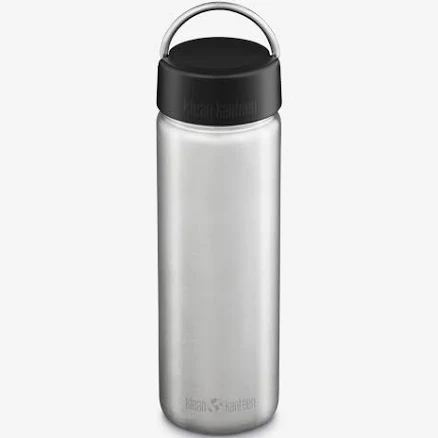
27oz Wide Water Bottle with Loop Cap
- 18/8 stainless steel, no interior coating
- The brand calls it PFAS-free, which we have not verified
- Cap or closure contamination
2 hazards checked on this product. See all of them.
Klean Kanteen
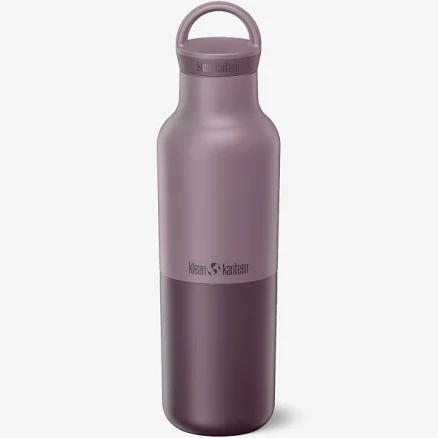
Rise Classic Insulated Water Bottle
- stainless steel body, foam insulation, stainless steel cap
- The brand calls it PFAS-free, which we have not verified
- Cap gasket and seal contamination
Klean Kanteen
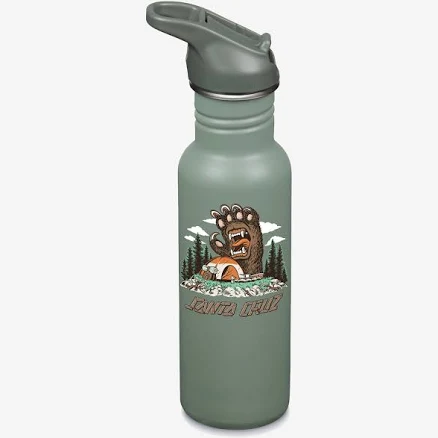
Classic Flip Seal Sport Cap
- Stainless steel bottle, plastic flip cap
- The brand calls it PFAS-free, which we have not verified
- Plastic cap degradation and microplastic shedding
3 hazards checked on this product. See all of them.
More portable water bottles grades
How we score, every product runs through the same public 0-100 rubric based on materials, coatings, brand disclosure, lab findings, and recalls. See the full methodology → Spotted a mistake? Report an error.