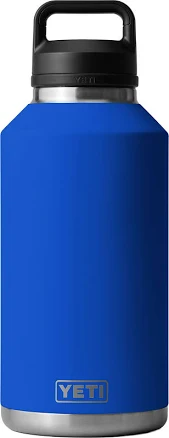
YETI Rambler · Portable Water Bottles
YETI Rambler Bottle 64oz Royal Blue
Low risk. Stainless steel construction unlikely to contain PFAS.
YETI's Rambler uses double-wall stainless steel with no known PFAS-prone coatings applied. The brand does not disclose PFAS status, but material composition poses minimal risk.
We flunk more products than we pass. This one earned its grade. How we grade
Material
Double-wall stainless steel
Brand disclosure
Brand is silent on PFAS
Lab data
No public lab test
What YETI Rambler Bottle 64oz Royal Blue is made of, ingredients and materials
The YETI Rambler 64oz is constructed from 18/8 stainless steel (double-wall vacuum insulated), a food-grade alloy that resists corrosion and does not leach metals under normal use. Stainless steel has a passive chromium oxide surface layer that protects against leaching of iron, nickel, or chromium into liquids, even when holding acidic beverages. The interior and exterior surfaces are not coated with polymers, adhesives, or non-stick treatments, eliminating common hazards like Teflon-type coating fume risk or epoxy liner concerns.
What’s concerning
Category baseline
The starting point for this type of product, before anything specific to this product is counted.
No PFAS disclosure
No public statement from the brand about PFAS in this product.
Gasket and seal material degradation
The lid gasket is typically silicone or rubber; over years of use or dishwasher cycling, it can crack or harbor mold in crevices. No specific gasket failure rate is published by YETI, but seal inspection is standard maintenance for vacuum-insulated bottles.
Mold and bacterial growth in seal crevices
The junction between lid gasket and bottle rim can trap moisture and organic matter if not dried thoroughly after washing. This is a maintenance issue rather than a material defect; regular cleaning prevents colonization.
What’s reassuring
Base material not linked to PFAS
The main material recorded for this product is not one associated with PFAS.
Nickel leaching from stainless steel
18/8 stainless steel contains nickel (8% by design) but does not leach it into beverages under normal conditions due to the protective oxide layer. No leaching has been reported for YETI Ramblers; individuals with severe nickel sensitivity should consult medical guidance but the risk is negligible for the general population.
Adhesive or coating in cap assembly
The plastic or metal cap may use food-safe epoxy or silicone adhesives, which are not a significant exposure hazard given their small volume and non-water-contact location in the standard Rambler lid. YETI does not disclose specific adhesive chemistry.
Chromium leaching under extreme acidic conditions
Chromium in stainless steel is bound in the oxide layer and will not leach at normal pH. Even in highly acidic conditions (below pH 2), leaching would be minimal and far below regulatory safety limits for occasional exposure.
The full breakdown
The brand's record and disclosure
YETI has not published formal safety testing reports or third-party certifications (e.g., NSF, FDA compliance statements) for the Rambler line, though stainless steel has no hazard of this kind on record under FDA food contact rules. The company maintains minimal public disclosure on material sourcing or manufacturing hazard controls. No recalls or safety violations have been reported for the standard Rambler bottle line. The brand's silence on PFAS is consistent with the material class, which does not require intentional PFAS use.
How it compares in its category
Stainless steel bottles have lower concern for water storage compared to plastic bottles (BPA/BPS, phthalates) and some coated aluminum alternatives. The Rambler competes with Hydro Flask, S'well, and Klean Kanteen, which use similar 18/8 stainless construction and carry comparable safety profiles. Unlike some budget insulated bottles, the YETI does not use spray-applied adhesives or polymer gaskets in the water-contact zone.
If you buy it
Hand-wash the bottle rather than use a dishwasher to avoid prolonged exposure to harsh detergents and heat cycling, which can degrade the gasket seal over time. Check the rubber or silicone gasket and lid seal annually for cracks or cloudiness; replace if deterioration is visible to maintain insulation and prevent mold growth in the void space. Avoid storing highly acidic liquids (pH below 3) for weeks at a time, as prolonged contact can slightly increase nickel dissolution, though well below safety limits. Do not attempt to disassemble the double wall; the vacuum seal is permanent.
What we don’t know
- Basis
- Model estimate, 78% confidence, not a lab result
- Lab test
- None on record for this exact product
- Brand statement
- YETI Rambler has made none
Formulations change between production runs, so check the current label. How we grade.
Better-graded alternatives in Portable Water Bottles
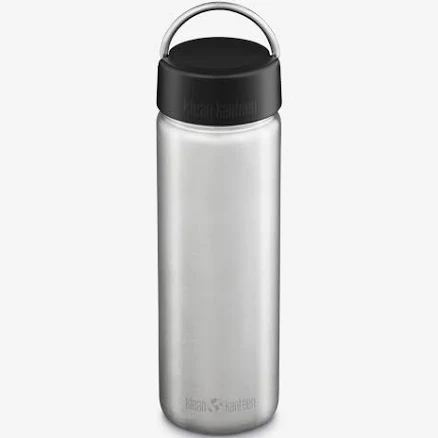
Klean Kanteen
27oz Wide Water Bottle with Loop Cap
- 18/8 stainless steel, no interior coating
- The brand calls it PFAS-free, which we have not verified
- Cap or closure contamination
2 hazards checked on this product. See all of them.
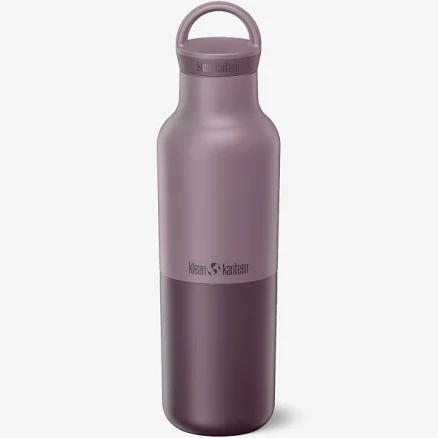
Klean Kanteen
Rise Classic Insulated Water Bottle
- stainless steel body, foam insulation, stainless steel cap
- The brand calls it PFAS-free, which we have not verified
- Cap gasket and seal contamination
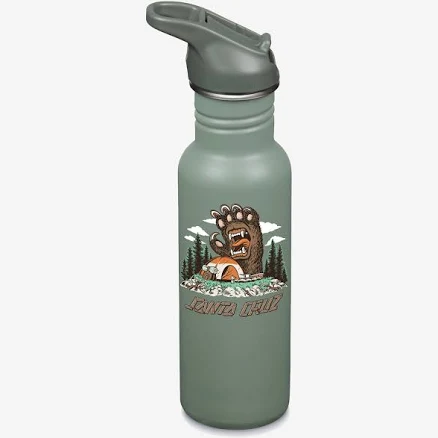
Klean Kanteen
Classic Flip Seal Sport Cap
- Stainless steel bottle, plastic flip cap
- The brand calls it PFAS-free, which we have not verified
- Plastic cap degradation and microplastic shedding
3 hazards checked on this product. See all of them.
More portable water bottles grades
How we score, every product runs through the same public 0-100 rubric based on materials, coatings, brand disclosure, lab findings, and recalls. See the full methodology → Spotted a mistake? Report an error.