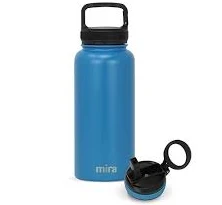
Mira Stainless Steel Vacuum Insulated Wide Mouth Water Bottle Thermos Keeps Cold for 24 hours
Stainless steel body with no coating or water-repellent finish on record.
This bottle is stainless steel with interior vacuum insulation and no surface coating disclosed. The brand has no PFAS statement on record.
The better-graded swap
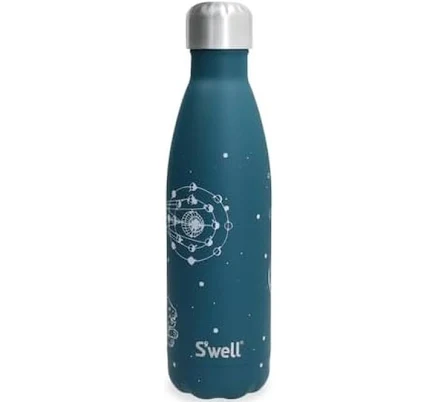
S'well
S'well Stainless Steel Water Bottle 17 Ounces Celestial Green Triple
80/100 safety
Same rubric that flunked this product. The swap earned Excellent.
Still want this one anyway? Check the price on Amazon. We’d swap it.
Material
Stainless steel body, interior vacuum insulation
Brand disclosure
Brand is silent on PFAS
Lab data
No public lab test
What Mira Stainless Steel Vacuum Insulated is made of, ingredients and materials
The Mira bottle uses food-grade stainless steel as its primary barrier, which is chemically inert and does not leach metals or compounds into water under normal use. Vacuum insulation between double walls is typically achieved with air or inert gas, not chemical foam, reducing off-gassing risk. The interior surface is the critical contact layer; stainless steel does not require plastic liners, coatings, or epoxy resins that could degrade or release compounds over time. Cap and closure materials (likely plastic or elastomer) are the only potential exposure points for secondary contaminants.
What’s concerning
Category baseline
The starting point for this type of product, before anything specific to this product is counted.
No PFAS disclosure
No public statement from the brand about PFAS in this product.
Seal and gasket degradation (bacterial growth risk)
The rubber or silicone gasket in the cap can crack or degrade with age and repeated use, creating crevices where bacteria and mold may grow if water is stored long-term. This is a maintenance issue, not a manufacturing defect specific to Mira, but affects all double-wall vacuum bottles.
Cap and closure material leaching
The bottle's cap, lid seal, and any plastic components are not stainless steel and may be BPA-containing polycarbonate or recycled plastic. While contact time is brief during drinking, risk increases if hot liquids are stored with the cap on for extended periods.
Vacuum seal compromise over time
Repeated pressure changes, impacts, or thermal cycling can gradually reduce the vacuum integrity, allowing air infiltration and condensation inside the insulation space. This does not pose a direct health hazard but may indicate seal failure that needs inspection.
What’s reassuring
Base material not linked to PFAS
The main material recorded for this product is not one associated with PFAS.
Manufacturing residue or metallic particles
No specific recalls or reports of Mira bottles leaching stainless steel particles or containing machining debris. Standard for the material class; rinse before first use as routine precaution.
Coating or enamel in interior or exterior finish
No powder coat, paint, or enamel finishes reported in the product specifications, eliminating lead, cadmium, or VOC off-gassing risks typical of coated metal bottles. Bare or brushed stainless steel is the stated construction.
The full breakdown
The brand's record and disclosure
Mira maintains limited public disclosure on material sourcing, manufacturing standards, or third-party certifications for this product line. No recalls, litigation, or documented safety incidents involving Mira water bottles have been publicly reported. The brand does not appear to publish explicit PFAS statements or test reports for their vacuum bottles. Given the stainless steel construction, formal certification is less critical than it would be for coated or composite bottles, but transparency remains low.
How it compares in its category
Stainless steel vacuum bottles represent a lower-risk category compared to plastic bottles (BPA/BPS leaching risk with heat) or lined metal bottles with epoxy coatings (potential lead or cadmium in enamel). They avoid the microplastic shedding risk of some polymer insulation methods and eliminate the need for antimicrobial coatings. Mira's design is functionally comparable to established competitor products (e.g., Hydro Flask, S'well) at a lower price point, though without equivalent third-party testing or sustainability certifications.
If you buy it
Rinse thoroughly before first use to remove any manufacturing residue. Do not use in dishwashers if the manufacturer advises against it, as repeated high-heat cycles can degrade seals and caps. Inspect the rubber gasket or seal annually for cracking or discoloration; replace if degraded to prevent bacterial growth in the vacuum space. Keep the interior dry between uses and avoid storing liquids for extended periods (beyond 24-48 hours) to minimize microbial colonization.
What we don’t know
- Basis
- Model estimate, 78% confidence, not a lab result
- Lab test
- None on record for this exact product
- Brand statement
- Mira has made none
Formulations change between production runs, so check the current label. How we grade.
Better-graded alternatives in Portable Water Bottles
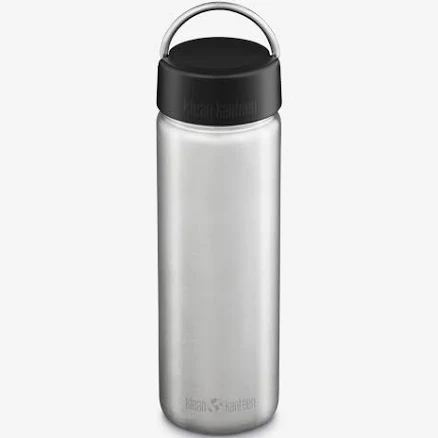
Klean Kanteen
27oz Wide Water Bottle with Loop Cap
- 18/8 stainless steel, no interior coating
- The brand calls it PFAS-free, which we have not verified
- Cap or closure contamination
2 hazards checked on this product. See all of them.
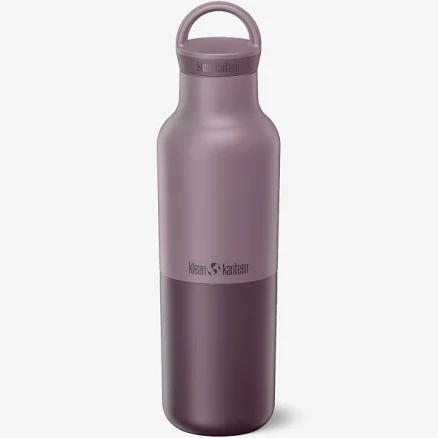
Klean Kanteen
Rise Classic Insulated Water Bottle
- stainless steel body, foam insulation, stainless steel cap
- The brand calls it PFAS-free, which we have not verified
- Cap gasket and seal contamination
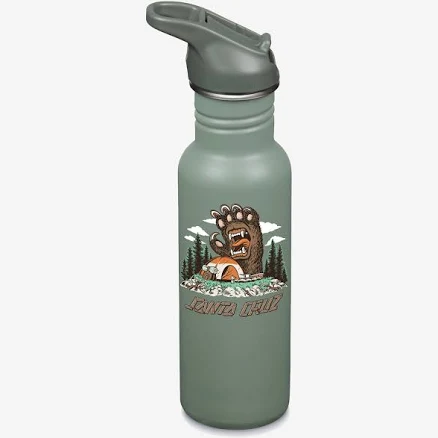
Klean Kanteen
Classic Flip Seal Sport Cap
- Stainless steel bottle, plastic flip cap
- The brand calls it PFAS-free, which we have not verified
- Plastic cap degradation and microplastic shedding
3 hazards checked on this product. See all of them.
More portable water bottles grades
How we score, every product runs through the same public 0-100 rubric based on materials, coatings, brand disclosure, lab findings, and recalls. See the full methodology → Spotted a mistake? Report an error.