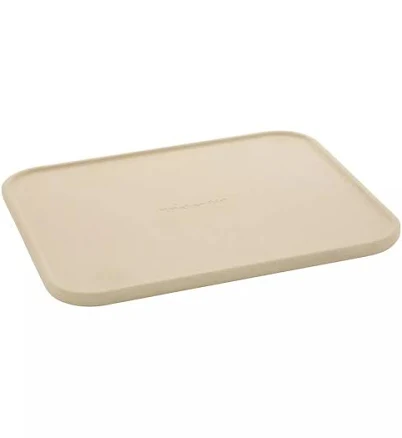
Kitchenaid · Pizza Stones & Baking Surfaces
KitchenAid Countertop Oven Pizza Stone, Is It Non-Toxic?
Lower concern, ceramic stone unlikely to contain PFAS.
Pizza stones are typically cordierite ceramic without non-stick coatings. KitchenAid does not disclose PFAS information, but the material itself poses minimal PFAS risk.
The better-graded swap
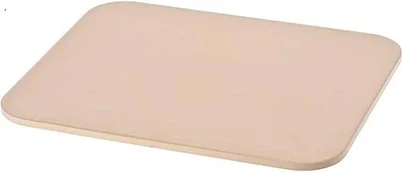
15-Inch Ceramic Pizza Stone for Perfect Crispy Crusts
90/100 safety
Same rubric that flunked this product. The swap earned Excellent.
Still want this one anyway? Check the price on Amazon. We’d swap it.
Material
Cordierite ceramic pizza stone
Lab data
No public lab test
You may also be interested in
Top-graded picks in the categories readers replace first, every one scored on the same rubric.

- polypropylene filter housing, carbon/sediment cartridge
- We found no PFAS statement from the brand
- Bacterial growth in spent cartridges
3 hazards checked on this product, all on its full breakdown.

Aquasure
Premier Series 75 GPD Under Sink Reverse Osmosis Water Filtration System
- RO membrane, carbon filters, stainless steel housing
- We found no PFAS statement from the brand
- Bacterial and microbial growth in housing and filters
4 hazards checked on this product, all on its full breakdown.

Avocado
Vegan Mattress
- organic cotton, natural latex, coconut coir, recycled steel coils
- The brand calls it PFAS-free, which we have not verified
- Heavy metals
2 hazards checked on this product, all on its full breakdown.
Is KitchenAid Countertop Oven Pizza Stone non-toxic? What it is made of
This pizza stone is made from cordierite ceramic, a magnesium-aluminum silicate compound specifically engineered for high-temperature cookware. Cordierite is thermally stable, resists thermal shock, and does not require any non-stick coating or glaze that would introduce coating-related hazards. The material itself has no known tendency to leach metals or degrade into microplastics when used at normal pizza-oven temperatures (400-500°F range).
What’s concerning
Category baseline
The starting point for this type of product, before anything specific to this product is counted.
No PFAS disclosure
No public statement from the brand about PFAS in this product.
Ceramic coating degradation over time
Uncoated cordierite stone may develop surface microcracking or crazing with repeated thermal cycling, particularly if exposed to rapid temperature swings. This is primarily a durability and cracking safety issue rather than a leaching hazard, but compromised stone should be retired.
What’s reassuring
Base material not linked to PFAS
The main material recorded for this product is not one associated with PFAS.
Lead
Cordierite pizza stones typically have no decorative glaze or enamel layer; uncoated cordierite ceramic itself does not contain lead or cadmium as manufacturing byproducts in products meeting US ceramic cookware standards.
Source, ATSDR ↗Teflon-type coating non-stick coating and fume risk
This product is an uncoated cordierite stone with no Teflon-type coating, silicone, or other synthetic non-stick surface. No fume hazard is present.
Aluminum leaching
Although cordierite contains aluminum as part of its mineral structure, it is tightly bound in a ceramic matrix and does not leach into food under normal cooking conditions. Food contact is indirect (through pizza dough or toppings) and pH is neutral.
Microplastics
Cordierite ceramic is inorganic and stable at typical oven temperatures; it does not break down into microplastics or release synthetic polymer fragments.
Source, EPA ↗How is this PFAS grade calculated?
The brand's record and disclosure
KitchenAid is owned by Whirlpool Corporation and maintains a general compliance posture with US FDA and CPSC cookware regulations. The brand does not publicly disclose detailed material sourcing or third-party ceramic testing for individual pizza stones, and no major recalls specific to KitchenAid pizza stones are on record. The company's silence on PFAS in ceramic products is typical for the category, as cordierite stones are not a known PFAS vector.
How it compares in its category
Cordierite pizza stones are among the substrate options with lower concern for home pizza ovens. They avoid the risks of unglazed ceramic (potential lead in decorative glazes, dust) and coated non-stick surfaces (Teflon-type coating fume risk, coating degradation). Comparable products from Emile Henry or Le Creuset use similar cordierite or high-fired stoneware with equivalent safety profiles. KitchenAid's offering is mid-range in price and durability.
If you buy it
Preheat the stone gradually and avoid rapid temperature changes to prevent cracking. Do not wash in a dishwasher or soak; wipe clean while warm and allow to air-dry completely. Replace if visible cracks or large chips develop, as they can cause stone fracture during use. Ensure countertop oven can accommodate the stone's weight and dimensions before purchase; do not exceed manufacturer temperature limits.
What is not known about PFAS in this product?
- Basis
- Model estimate, 78% confidence, not a lab result
- Lab test
- None on record for this exact product
- Brand statement
- Kitchenaid has made a specific claim
Formulations change between production runs, so check the current label. How we grade.
What are the PFAS-free alternatives to KitchenAid Countertop Oven Pizza Stone?
15-Inch Ceramic Pizza Stone for Perfect Crispy Crusts
- Ceramic (clay-based baking stone)
- The brand calls it PFAS-free, which we have not verified
- Glaze degradation and surface leaching
3 hazards checked on this product, all on its full breakdown.
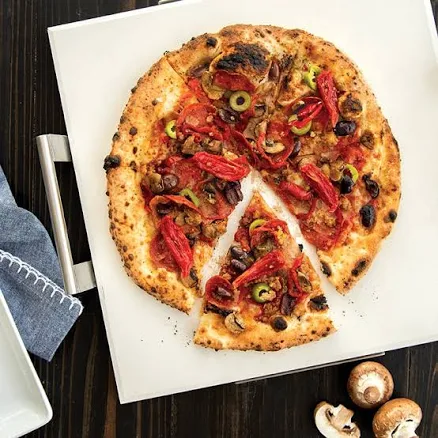
Deluxe Square Pizza Stone with Rack
- ceramic or unglazed stone; no nonstick coating
- The brand calls it PFAS-free, which we have not verified
- Ceramic or stone cracking and fragmentation
2 hazards checked on this product, all on its full breakdown.
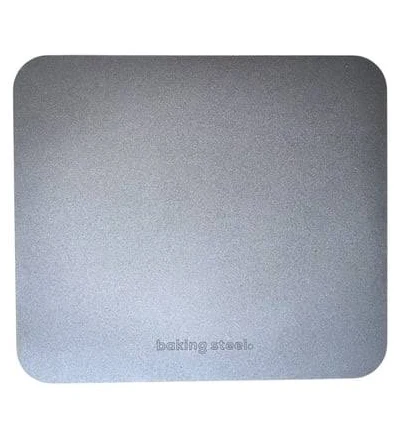
- carbon steel (bare metal, no coating)
- We found no PFAS statement from the brand
- Rust and corrosion
2 hazards checked on this product, all on its full breakdown.
Find an alternative on AmazonMore pizza stones & baking surfaces grades
How we score, every product runs through the same public 0-100 rubric based on materials, coatings, brand disclosure, lab findings, and recalls. See the full methodology → Spotted a mistake? Report an error.