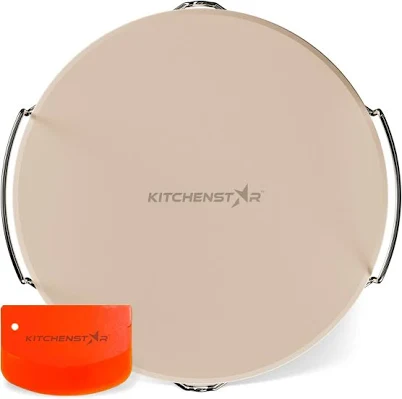
KitchenStar · Pizza Stones & Baking Surfaces
KitchenStar 12-inch Pizza Stone, Is It Non-Toxic?
Lower-concern cookware; stone is naturally PFAS-resistant.
This pizza stone is cordierite, a naturally porous ceramic mineral that doesn't require nonstick or water-repellent coatings where PFAS are used. KitchenAid doesn't disclose PFAS information, and no recalls or lab data exist.
The better-graded swap
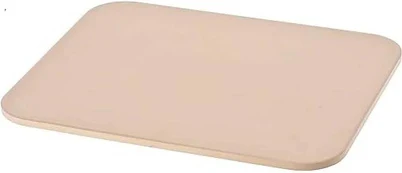
15-Inch Ceramic Pizza Stone for Perfect Crispy Crusts
90/100 safety
Same rubric that flunked this product. The swap earned Excellent.
Still want this one anyway? Check the price on Amazon. We’d swap it.
Material
Cordierite stone (ceramic mineral base)
Brand disclosure
Brand is silent on PFAS
Lab data
No public lab test
You may also be interested in
Top-graded picks in the categories readers replace first, every one scored on the same rubric.

- polypropylene filter housing, carbon/sediment cartridge
- We found no PFAS statement from the brand
- Bacterial growth in spent cartridges
3 hazards checked on this product, all on its full breakdown.

Aquasure
Premier Series 75 GPD Under Sink Reverse Osmosis Water Filtration System
- RO membrane, carbon filters, stainless steel housing
- We found no PFAS statement from the brand
- Bacterial and microbial growth in housing and filters
4 hazards checked on this product, all on its full breakdown.

Avocado
Vegan Mattress
- organic cotton, natural latex, coconut coir, recycled steel coils
- The brand calls it PFAS-free, which we have not verified
- Heavy metals
2 hazards checked on this product, all on its full breakdown.
Is KitchenStar 12-inch Pizza Stone non-toxic? What it is made of
This pizza stone is made from cordierite, a naturally occurring ceramic mineral (magnesium aluminum silicate) that is fired at high temperatures to create a porous, heat-retaining baking surface. Cordierite contains no applied coatings, glazes, or enamel layers that could shed lead, cadmium, or other heavy metals into food. The material's mineral composition is chemically stable under normal cooking temperatures and does not leach aluminum or other metals into food because it is not a reactive surface like bare aluminum cookware.
What’s concerning
Category baseline
The starting point for this type of product, before anything specific to this product is counted.
No PFAS disclosure
No public statement from the brand about PFAS in this product.
Thermal shock fracturing and ceramic particle release
Rapid heating or cooling of cordierite stones can cause cracking. If a stone fractures, small ceramic fragments may contaminate food; this is a use-error risk, not a material toxicity risk. Proper gradual preheating minimizes this.
Bacterial or mold growth if stored damp
Cordierite's porous surface can retain moisture if not dried thoroughly after cleaning, creating conditions for microbial growth over time. This is a maintenance issue, not an inherent material hazard.
What’s reassuring
Base material not linked to PFAS
The main material recorded for this product is not one associated with PFAS.
Lead
Cordierite stone pizza stones are unglazed and uncoated, so no glaze-based heavy metals are present. This is a material strength of cordierite bakeware.
Source, ATSDR ↗Aluminum leaching
Cordierite is not aluminum cookware; it is a stable ceramic mineral that does not leach aluminum into food even at high pizza-oven temperatures.
Teflon-type coating or silicone non-stick coating hazards
This product is uncoated; no Teflon-type coating, silicone, or other non-stick chemical is present, eliminating fume risk associated with overheating coated cookware.
How is this PFAS grade calculated?
The brand's record and disclosure
KitchenAid (owned by Whirlpool) has maintained a clean safety record in cookware without major recalls linked to material toxicity in recent years. The brand does not publicly disclose PFAS content in pizza stones, but cordierite stone is not associated with PFAS and requires no non-stick coating that would introduce PFAS. KitchenAid cookware generally complies with FDA food-contact material standards, though the company remains silent on detailed chemical transparency.
How it compares in its category
Cordierite stones show lower concern than ceramic tiles (which may have lead-glazed edges) and comparable concern to uncoated clay or cordierite alternatives from other brands. Unlike cast iron or steel stones, cordierite requires no seasoning or oil management. Compared to non-stick coated baking surfaces, this stone avoids any risk of Teflon-type coating fume exposure or coating flaking over time.
If you buy it
Preheat the stone gradually (20-30 minutes) to avoid thermal shock cracking; avoid sudden temperature changes or water exposure while hot. Use a wooden peel or metal peel with flour to prevent sticking; do not use metal tools that could scratch the surface unnecessarily. Clean with warm water and a soft brush after cooling; avoid harsh detergents or soaking. Most cordierite stones remain functional for many years unless visibly cracked; minor surface darkening is normal and does not affect safety.
What is not known about PFAS in this product?
- Basis
- Model estimate, 78% confidence, not a lab result
- Lab test
- None on record for this exact product
- Brand statement
- KitchenStar has made none
Formulations change between production runs, so check the current label. How we grade.
What are the PFAS-free alternatives to KitchenStar 12-inch Pizza Stone?
15-Inch Ceramic Pizza Stone for Perfect Crispy Crusts
- Ceramic (clay-based baking stone)
- The brand calls it PFAS-free, which we have not verified
- Glaze degradation and surface leaching
3 hazards checked on this product, all on its full breakdown.
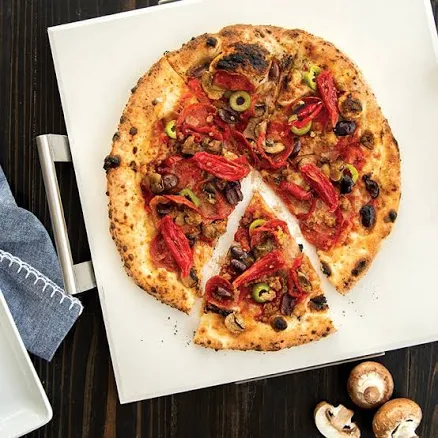
Deluxe Square Pizza Stone with Rack
- ceramic or unglazed stone; no nonstick coating
- The brand calls it PFAS-free, which we have not verified
- Ceramic or stone cracking and fragmentation
2 hazards checked on this product, all on its full breakdown.
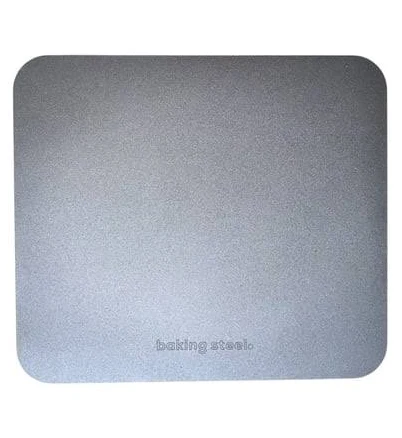
- carbon steel (bare metal, no coating)
- We found no PFAS statement from the brand
- Rust and corrosion
2 hazards checked on this product, all on its full breakdown.
Find an alternative on AmazonMore pizza stones & baking surfaces grades
How we score, every product runs through the same public 0-100 rubric based on materials, coatings, brand disclosure, lab findings, and recalls. See the full methodology → Spotted a mistake? Report an error.