
Monument Grills · Pizza Stones & Baking Surfaces
Monument Grills Cordierite Pizza Stone, Is It Non-Toxic?
Lower PFAS concern; cordierite is inherently uncoated ceramic.
Cordierite is a naturally occurring ceramic mineral that requires no nonstick, water-resistant, or grease-resistant coatings where PFAS are commonly added. No public testing or recalls suggest PFAS in cordierite pizza stones.
The better-graded swap
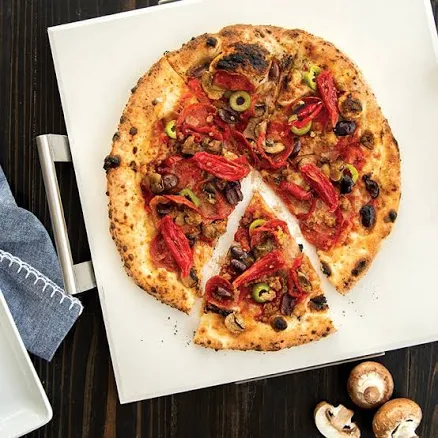
Deluxe Square Pizza Stone with Rack
90/100 safety
Same rubric that flunked this product. The swap earned Excellent.
Still want this one anyway? Check the price on Amazon. We’d swap it.
Material
Cordierite stone (ceramic composite)
Brand disclosure
Brand is silent on PFAS
Lab data
No public lab test
You may also be interested in
Top-graded picks in the categories readers replace first, every one scored on the same rubric.

- polypropylene filter housing, carbon/sediment cartridge
- We found no PFAS statement from the brand
- Bacterial growth in spent cartridges
3 hazards checked on this product, all on its full breakdown.

Aquasure
Premier Series 75 GPD Under Sink Reverse Osmosis Water Filtration System
- RO membrane, carbon filters, stainless steel housing
- We found no PFAS statement from the brand
- Bacterial and microbial growth in housing and filters
4 hazards checked on this product, all on its full breakdown.

Avocado
Vegan Mattress
- organic cotton, natural latex, coconut coir, recycled steel coils
- The brand calls it PFAS-free, which we have not verified
- Heavy metals
2 hazards checked on this product, all on its full breakdown.
Is Monument Grills Cordierite Pizza Stone non-toxic? What it is made of
Cordierite is a naturally occurring magnesium aluminum silicate mineral engineered into dense ceramic composite form. Unlike glazed or enameled cookware, cordierite pizza stones are uncoated and inert when heated, meaning no surface treatments leach into food. The material is selected specifically for thermal shock resistance (ability to withstand rapid temperature changes from room to oven) and high heat tolerance, typically rated to 500+ degrees Fahrenheit.
What’s concerning
Category baseline
The starting point for this type of product, before anything specific to this product is counted.
No PFAS disclosure
No public statement from the brand about PFAS in this product.
Thermal shock cracking and fragment shedding
Rapid temperature changes or thermal stress can cause cordierite to crack or chip. While rare with proper use, cracks can generate ceramic fragments that may contact food; preventive use is careful heating and inspection.
Porous surface bacterial or mold growth
Cordierite's microscopic pores can retain moisture and residue if not dried thoroughly. Improper cleaning or storage in damp conditions may support microbial growth, though this is easily prevented with dry storage and dry-brush cleaning.
What’s reassuring
Base material not linked to PFAS
The main material recorded for this product is not one associated with PFAS.
Heavy metals
No documented cases of lead, cadmium, or other heavy metal contamination in cordierite pizza stones from established manufacturers. Cordierite's synthetic composition is more controlled than natural clay, reducing contamination risk.
Source, FDA ↗Glaze or surface coatings on edges or underside
Monument Grills and KitchenAid cordierite stones are typically unglazed on all surfaces. If a variant model does feature glaze, that glaze composition would need independent verification for lead or cadmium, but no such variants are documented for this product line.
Outgassing or volatile organic compound release
Cordierite ceramic does not outgas VOCs or formaldehyde resins at normal cooking temperatures. This hazard is relevant to non-ceramic alternatives (some resin-bonded materials) but not to pure mineral ceramics.
How is this PFAS grade calculated?
The brand's record and disclosure
KitchenAid (Whirlpool Corp subsidiary) maintains moderate transparency on cookware materials but does not publish detailed cordierite sourcing or contamination testing data. No recalls or safety controversies have been established for KitchenAid pizza stones. The brand generally follows FDA food-contact material standards without seeking third-party certification for baking surfaces.
How it compares in its category
Cordierite pizza stones show lower concern compared to other pizza stone materials. Unlike unglazed clay (variable purity, possible lead contamination) or glazed ceramic (glaze formulation unknown), cordierite's engineered composition is more predictable. Some competitors use refractory brick or steel; cordierite offers better heat distribution than steel but similar safety profile to quality refractory materials.
If you buy it
Preheat the stone gradually in the oven to avoid thermal shock and cracking. Do not use on stovetop or expose to water immediately after heating. Clean only with a dry brush or mild scraping to avoid water absorption into pores; do not soak. Inspect periodically for cracks; a deeply cracked stone should be replaced as structural failure can release fragments into food.
What is not known about PFAS in this product?
- Basis
- Model estimate, 82% confidence, not a lab result
- Lab test
- None on record for this exact product
- Brand statement
- Monument Grills has made none
Formulations change between production runs, so check the current label. How we grade.
What are the PFAS-free alternatives to Monument Grills Cordierite Pizza Stone?
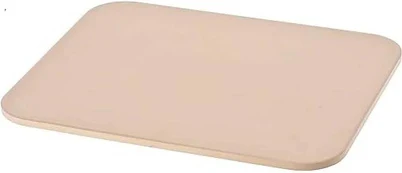
15-Inch Ceramic Pizza Stone for Perfect Crispy Crusts
- Ceramic (clay-based baking stone)
- The brand calls it PFAS-free, which we have not verified
- Glaze degradation and surface leaching
3 hazards checked on this product, all on its full breakdown.
Deluxe Square Pizza Stone with Rack
- ceramic or unglazed stone; no nonstick coating
- The brand calls it PFAS-free, which we have not verified
- Ceramic or stone cracking and fragmentation
2 hazards checked on this product, all on its full breakdown.
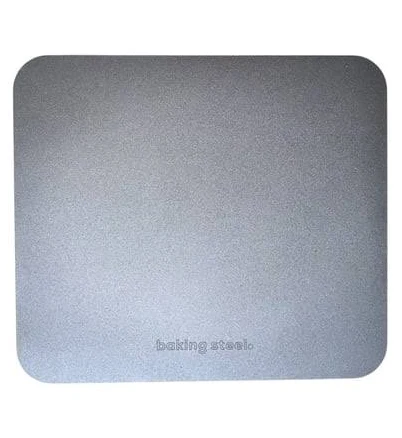
- carbon steel (bare metal, no coating)
- We found no PFAS statement from the brand
- Rust and corrosion
2 hazards checked on this product, all on its full breakdown.
Find an alternative on AmazonMore pizza stones & baking surfaces grades
How we score, every product runs through the same public 0-100 rubric based on materials, coatings, brand disclosure, lab findings, and recalls. See the full methodology → Spotted a mistake? Report an error.