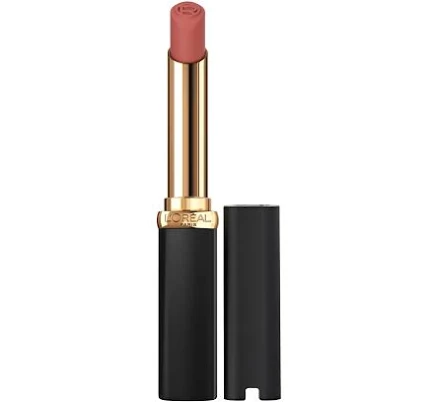
L'Oréal · Lip Balm & Long-Wear Lipstick
L'Oreal Paris Colour Riche Intense Volume Matte Lipstick
Lipstick formulas rarely use PFAS, but L'Oreal silent on specifics.
Matte lipsticks typically use waxes and pigments with lower PFAS risk than waterproof cosmetics. L'Oreal provides no PFAS disclosure for this product line.
We flunk more products than we pass. This one earned its grade. How we grade
Material
wax, pigments, emollients
Brand disclosure
Brand is silent on PFAS
Lab data
No public lab test
You may also be interested in
Top-graded picks in the categories readers replace first, every one scored on the same rubric.

- polypropylene filter housing, carbon/sediment cartridge
- We found no PFAS statement from the brand
- Bacterial growth in spent cartridges
3 hazards checked on this product, all on its full breakdown.

Aquasure
Premier Series 75 GPD Under Sink Reverse Osmosis Water Filtration System
- RO membrane, carbon filters, stainless steel housing
- We found no PFAS statement from the brand
- Bacterial and microbial growth in housing and filters
4 hazards checked on this product, all on its full breakdown.

Avocado
Vegan Mattress
- organic cotton, natural latex, coconut coir, recycled steel coils
- The brand calls it PFAS-free, which we have not verified
- Heavy metals
2 hazards checked on this product, all on its full breakdown.
What L'Oreal Paris Colour Riche Matte Lipstick is made of, ingredients and materials
This matte lipstick is a wax-based formula combining natural waxes (beeswax, carnauba) with synthetic emollients and iron oxide or mica pigments for color and texture. The matte finish typically relies on silica or talc-derived absorbents to reduce shine. Wax-based lipsticks have lower concern for skin penetration and dermal absorption of pigments or additives because the wax matrix can limit these pathways.
What’s concerning
Category baseline
The starting point for this type of product, before anything specific to this product is counted.
No PFAS disclosure
No public statement from the brand about PFAS in this product.
Talc contamination and asbestos risk
Matte lipsticks may contain talc as a matting agent. L'Oreal does not disclose talc sourcing or asbestos testing for this product. Cosmetic-grade talc is regulated for asbestos in the US (below 0.1%), but independent verification is absent. If talc is present, inhalation risk is minimal during application, but cumulative use over years poses theoretical concern.
Fragrance allergens and sensitizers
L'Oreal Colour Riche formulas include fragrance compounds not itemized on labels. Musk compounds and cinnamal derivatives are known allergens in cosmetics. Users with fragrance sensitivity or lip sensitivity have reported contact dermatitis in online reviews, though incidence is low. Patch testing recommended for sensitive skin.
What’s reassuring
Base material not linked to PFAS
The main material recorded for this product is not one associated with PFAS.
Lead
L'Oreal's cosmetics are subject to EU and US colorant regulations that prohibit lead and cadmium in lipstick. No recalls or detected contamination for this product line are on public record. Iron oxides and synthetic FD&C dyes used in matte formulas carry low heavy metal risk if sourced from regulated suppliers.
Source, ATSDR ↗Formaldehyde / VOCs
Matte lipstick formulas do not typically require formaldehyde releasers (common in wet products). L'Oreal lists no DMDM hydantoin or imidazolidinyl urea on published ingredient lists for Colour Riche. Paraben and phenoxyethanol preservatives may be present but are permitted at regulated levels in lipsticks.
Source, ATSDR ↗Mica and synthetic colorants stability
Mica and iron oxide pigments are chemically stable in wax under normal storage and use. No separation, degradation, or leaching of pigments into lips or saliva is documented for this product. Color fading over months of use reflects normal wax oxidation, not pigment instability.
How is this PFAS grade calculated?
The brand's record and disclosure
L'Oreal publishes ingredient lists and has faced no major recalls of this product line for contamination or undisclosed hazards. The brand does not publicly disclose PFAS screening protocols or certifications for matte lipsticks, despite pressure on cosmetic makers to eliminate water-repellent additives. L'Oreal maintains ISO 22716 (Good Manufacturing Practice) compliance, indicating quality control for heavy metals and microbial contamination, though specific test results are not independently verified in the public record.
How it compares in its category
Matte lipsticks across brands carry similar pigment and wax chemistries. Colour Riche is mid-tier for transparency; premium indie and clean-beauty brands (Burt's Bees, Ilia) may use certified organic waxes or mineral pigments, but evidence of real safety advantage is limited. Mass-market alternatives (Maybelline, Revlon) use nearly identical formulations. The matte finish category overall poses no higher risk than cream lipsticks if pigments meet colorant regulations.
If you buy it
Apply sparingly to avoid ingestion; wax lipsticks are low-toxicity if swallowed but not food. Store below 25 C to prevent bloom or separation of emollients. Replace after 12 months or if smell or texture changes, as oxidation of emollients can occur. Discontinue if irritation or allergic reaction develops; fragrance or lanolin sensitivity is rare but documented in some users. Do not share applicators to reduce bacterial contamination risk.
What is not known about PFAS in this product?
- Basis
- Model estimate, 72% confidence, not a lab result
- Lab test
- None on record for this exact product
- Brand statement
- L'Oréal has made none
Formulations change between production runs, so check the current label. How we grade.
More lip balm & long-wear lipstick grades
How we score, every product runs through the same public 0-100 rubric based on materials, coatings, brand disclosure, lab findings, and recalls. See the full methodology → Spotted a mistake? Report an error.