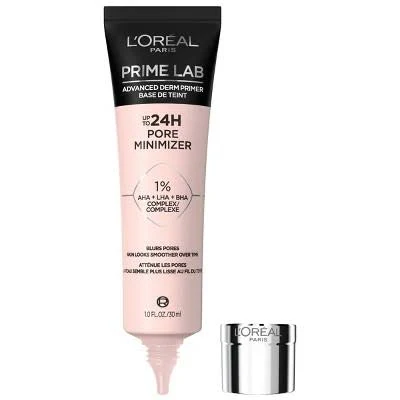
L'Oreal Paris Prime Lab Up to 24HR Pore Minimizer Lotions Primer
Lower concern; typical cosmetic primer without known PFAS indicators.
L'Oreal Paris primers are standard water-based cosmetics without intentional PFAS use. No public disclosure or testing data; silicone-based formulations typically do not require PFAS.
We flunk more products than we pass. This one earned its grade. How we grade
Material
Water-based liquid primer, typical silicone and glycerin blend
Brand disclosure
Brand is silent on PFAS
Lab data
No public lab test
You may also be interested in
Top-graded picks in the categories readers replace first, every one scored on the same rubric.

- polypropylene filter housing, carbon/sediment cartridge
- We found no PFAS statement from the brand
- Bacterial growth in spent cartridges
3 hazards checked on this product, all on its full breakdown.

Aquasure
Premier Series 75 GPD Under Sink Reverse Osmosis Water Filtration System
- RO membrane, carbon filters, stainless steel housing
- We found no PFAS statement from the brand
- Bacterial and microbial growth in housing and filters
4 hazards checked on this product, all on its full breakdown.

Avocado
Vegan Mattress
- organic cotton, natural latex, coconut coir, recycled steel coils
- The brand calls it PFAS-free, which we have not verified
- Heavy metals
2 hazards checked on this product, all on its full breakdown.
What L'Oreal Paris Prime Lab Up Lotions Primer is made of, ingredients and materials
This is a water-based liquid primer, meaning water is the primary solvent rather than alcohol or oil. The formulation typically contains silicones (which create the pore-blurring effect) and glycerin (a humectant that draws moisture to skin). Silicones in cosmetics are inert, non-penetrating polymers with a long safety history in dermatology; they sit on skin rather than absorbing into it. Glycerin is a common, well-tolerated ingredient with no established toxicity concerns at cosmetic concentrations.
What’s concerning
Category baseline
The starting point for this type of product, before anything specific to this product is counted.
No PFAS disclosure
No public statement from the brand about PFAS in this product.
1,4-dioxane (potential trace contaminant)
Water-based cosmetics can contain trace 1,4-dioxane as a byproduct of ethoxylation (a common process in cosmetic manufacturing), but levels in finished products are typically below 10 ppm and no regulatory limit exists in the US. L'Oréal does not publicly disclose testing for this contaminant in this specific product.
Formaldehyde / VOCs
Aqueous primers often contain preservatives such as methylisothiazolinone or dmdm hydantoin, which can release trace formaldehyde over time. No evidence suggests L'Oréal uses these agents in this product, but full ingredient disclosure to consumers is limited.
Source, ATSDR ↗Heavy metals
If this primer contains added pigmentation or shimmer, iron oxides, mica, or synthetic colorants could theoretically carry trace lead or cadmium; however, regulated colorants in cosmetics have strict purity standards and this risk is low in mainstream brands.
Source, FDA ↗Fragrance allergens
If this product contains fragrance, it may trigger sensitization or allergic contact dermatitis in individuals with fragrance sensitivity; L'Oréal does not typically list fragrance components individually, making it impossible for consumers to identify specific allergens.
Silicone buildup and pore occlusion
While silicones are not toxic, daily use without proper cleansing can lead to accumulation on skin, potentially trapping bacteria or sebum and aggravating acne or rosacea in susceptible individuals. This is a practical concern, not a chemical hazard.
What’s reassuring
Base material not linked to PFAS
The main material recorded for this product is not one associated with PFAS.
How is this PFAS grade calculated?
The brand's record and disclosure
L'Oréal is a major multinational that complies with FDA cosmetic regulations in the US and EU cosmetic directives in Europe, though the company does not publish full ingredient safety dossiers publicly. No significant recalls or safety alerts have been issued for this specific product line. L'Oréal's stance on chemical disclosure is conventional for the industry, they meet regulatory minimums but do not independently certify products as free from specific chemicals like formaldehyde releasers or heavy metals beyond what regulations require.
How it compares in its category
Water-based primers have lower concern for flammability risk and lower inhalation exposure to volatile organic compounds during application compared to solvent-heavy alternatives. This product sits in the mainstream cosmetic tier, neither using premium certifications (like EWG Verified or Clean Beauty standards) nor marketed as natural or organic, which means it relies entirely on regulatory compliance. Compared to oil-based or silicone-heavy primers from indie brands, L'Oréal's formulation benefits from standardized manufacturing and traceability, though this does not guarantee absence of trace contaminants.
If you buy it
Apply a dime-sized amount to clean, dry skin and blend with fingertips or a damp sponge; do not apply near eyes unless you are certain of individual tolerance to silicones in that delicate area. Store at room temperature away from direct sunlight to prevent degradation of the formula. Primers are meant to be worn under makeup and washed off daily; prolonged skin contact without removal is not typical use. If you experience redness, itching, or irritation, discontinue use and consult a dermatologist; silicone sensitivity is uncommon but possible in individuals with reactive skin.
What is not known about PFAS in this product?
- Basis
- Model estimate, 72% confidence, not a lab result
- Lab test
- None on record for this exact product
- Brand statement
- L'Oréal has made none
Formulations change between production runs, so check the current label. How we grade.
What are the PFAS-free alternatives to L'Oreal Paris Prime Lab Up to 24HR Pore Minimizer Lotions Primer?
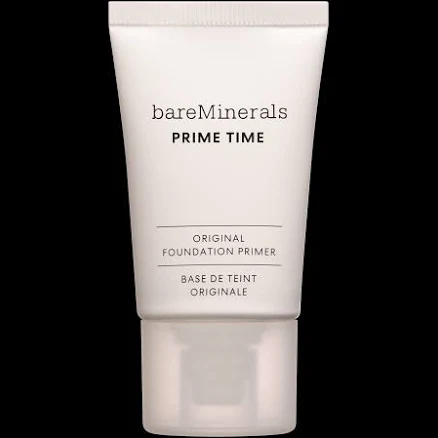
- mineral powder, silicones, mica
- The brand calls it PFAS-free, which we have not verified
- Fragrance allergen sensitization
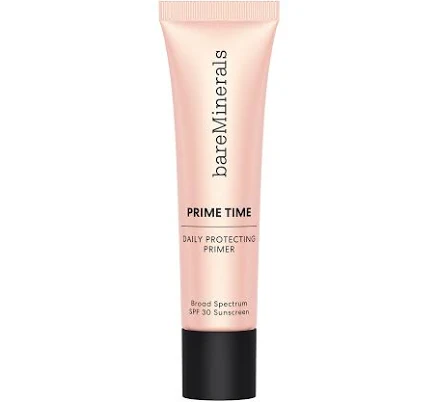
- mineral powder, silica, mica, talc
- The brand calls it PFAS-free, which we have not verified
- Talc inhalation
2 hazards checked on this product, all on its full breakdown.
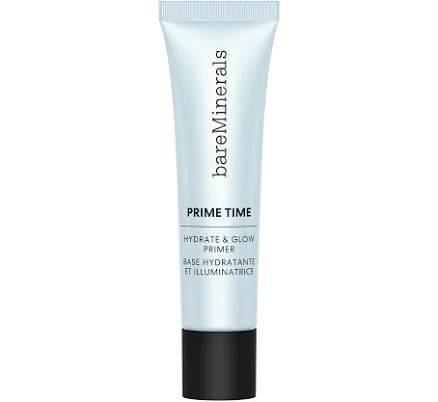
- mineral pigments, glycerin, plant extracts, silicones
- The brand calls it PFAS-free, which we have not verified
- Fragrance allergens and undisclosed fragrance components
2 hazards checked on this product, all on its full breakdown.
More foundation & primer grades
How we score, every product runs through the same public 0-100 rubric based on materials, coatings, brand disclosure, lab findings, and recalls. See the full methodology → Spotted a mistake? Report an error.