Landau · Scrubs & Work Uniforms
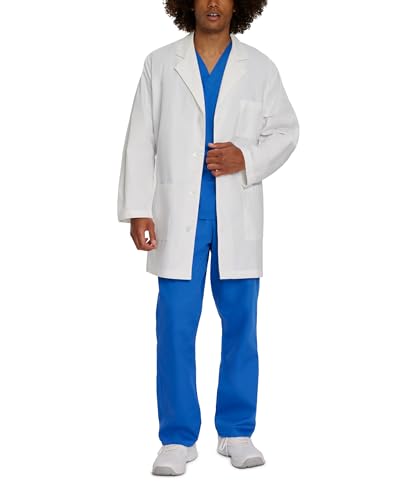
Landau Men's Notebook Lab Coat
Skip until fabric treatment details confirmed with brand.
Lab coats are typically cotton or cotton blends with minimal coating. Landau provides no PFAS disclosure. Contact the brand to confirm no water-resistant finish applied.
Still want this one anyway? Check the price on Amazon. We’d swap it.
Material
cotton blend lab coat
Brand disclosure
Brand is silent on PFAS
Lab data
No public lab test
You may also be interested in
Top-graded picks in the categories readers replace first, every one scored on the same rubric.

- polypropylene filter housing, carbon/sediment cartridge
- We found no PFAS statement from the brand
- Bacterial growth in spent cartridges
3 hazards checked on this product, all on its full breakdown.

Aquasure
Premier Series 75 GPD Under Sink Reverse Osmosis Water Filtration System
- RO membrane, carbon filters, stainless steel housing
- We found no PFAS statement from the brand
- Bacterial and microbial growth in housing and filters
4 hazards checked on this product, all on its full breakdown.

Avocado
Vegan Mattress
- organic cotton, natural latex, coconut coir, recycled steel coils
- The brand calls it PFAS-free, which we have not verified
- Heavy metals
2 hazards checked on this product, all on its full breakdown.
What Landau Men's Notebook Lab Coat is made of, ingredients and materials
Landau's notebook lab coat is a cotton blend, likely cotton-polyester, which means it combines natural cellulose fibers with synthetic polymer chains. Cotton blends are chosen for durability and wrinkle resistance, but that wrinkle resistance often comes from chemical finishes applied after weaving. The specific polymer content, finish chemistry, and dye type are not disclosed in publicly available product information for this model, creating uncertainty about formaldehyde-releasing resins or problematic azo dyes.
What’s concerning
Category baseline
The starting point for this type of product, before anything specific to this product is counted.
No PFAS disclosure
No public statement from the brand about PFAS in this product.
Formaldehyde / VOCs
Cotton-polyester blends commonly receive durable-press and wrinkle-resistant finishes that use formaldehyde-based resins. Landau does not disclose finish type; such resins can off-gas formaldehyde, particularly when unwashed and during heat exposure. Risk is highest in first weeks and reduces with washing.
Source, ATSDR ↗Heavy metals
Lab coats undergo industrial dyeing; specific dye chemistry is not disclosed. Some azo dyes degrade to carcinogenic amines; others are benign. Heavy metals (chromium, lead, cadmium) are sometimes used as mordants. No testing or certification provided by Landau rules out either concern.
Source, FDA ↗Antimony in polyester component
Antimony trioxide is a common catalyst in polyester synthesis. Polyester content in a cotton blend creates potential for residual antimony, particularly if fabric is not well-rinsed post-dyeing. Migration risk is low in dermal contact but increases if the coat is chewed or ingested by children.
PFAS
Medical and utility textiles frequently receive PFAS-based water-repellent coating (water-repellent coating) treatments to resist blood and fluid splashing. Landau's PFAS grade of 65/100 reflects moderate concern; the brand has not confirmed or denied use of such coatings. Dermal absorption from lab coats is low, but inhalation and washing water contamination are documented pathways.
Source, ATSDR ↗Degradation of finishes with repeated laundering and heat
Formaldehyde-resin and water-repellent finishes degrade over time, particularly at high wash temperatures typical in medical settings. No guidance is provided on when to replace the coat; performance loss does not eliminate chemical residues already deposited in fibers, but reapplication risk ends once finish is fully worn off.
What’s reassuring
Base material not linked to PFAS
The main material recorded for this product is not one associated with PFAS.
How is this PFAS grade calculated?
The brand's record and disclosure
Landau is a medical apparel brand owned by Aramark and has not published detailed chemical disclosure statements or sustainability certifications on their website. The brand maintains silence on PFAS use in fabric treatments, which is typical for mid-market uniform suppliers but notable given PFAS prevalence in water-repellent medical textiles. No major recalls or documented chemical safety controversies are on record for Landau lab coats. Without third-party certification (such as GOTS, OEKO-TEX, or bluesign), chemical composition remains opaque.
How it compares in its category
Standard medical lab coats from high-street brands rarely disclose finish chemistry; Landau is typical in this regard. Certified alternatives (OEKO-TEX 100 or GOTS-certified lab coats) do exist but command premium pricing and are less common in uniform supply chains. Budget lab coats from mass retailers often use identical cotton-blend formulations with equivalent opacity around dyes and finishes. Landau's mid-tier positioning means it likely uses cost-standard fabric treatments rather than premium low-chemical alternatives.
If you buy it
Wash before first wear in hot water to reduce surface residues and unfixed dyes; this is standard practice for medical textiles. Launder at 60 degrees Celsius or higher on regular cycles to maintain sterility and reduce formaldehyde off-gassing from resins over time. Replace after visible fraying, staining, or loss of shape; typical lab coat lifespan is 12-24 months with heavy use. Store in a dry, well-ventilated space to prevent mold and off-gassing accumulation in enclosed wardrobes.
What is not known about PFAS in this product?
- Basis
- Model estimate, 72% confidence, not a lab result
- Lab test
- None on record for this exact product
- Brand statement
- Landau has made none
Formulations change between production runs, so check the current label. How we grade.
More scrubs & work uniforms grades
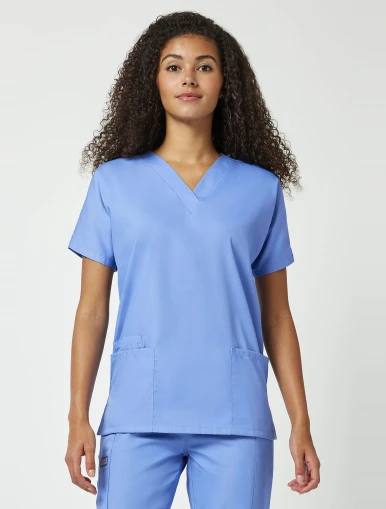 65Cherokee V-Neck Scrub Top for Women with 3 Pockets & Dolman Sleeve - 4700
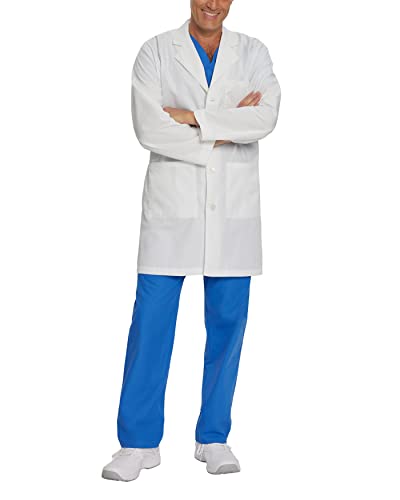 65Landau Men's Lab Coat - 65% Poly/35% Combed Cotton 5 Buttons
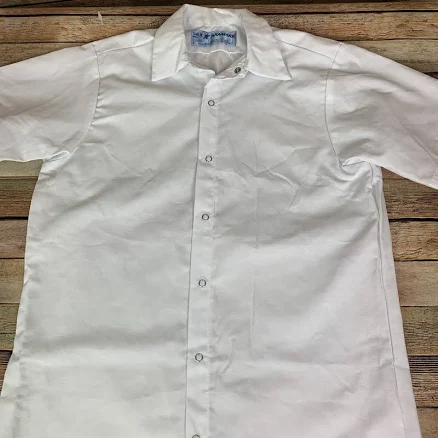 65Aramark Uniform Work Shirt Employee Short Sleeve White Snap Button Up
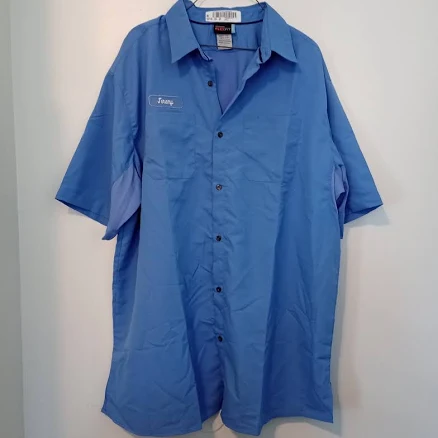 65Men’s 2xl Aramark Flexfit Uniform Work Shirt Blue
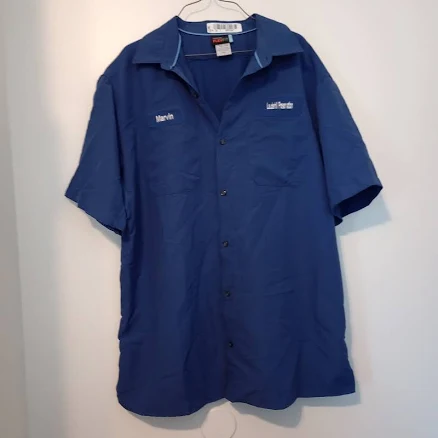 65Xl Aramark Flexfit Blue Work Shirt Short Sleeve Uniform
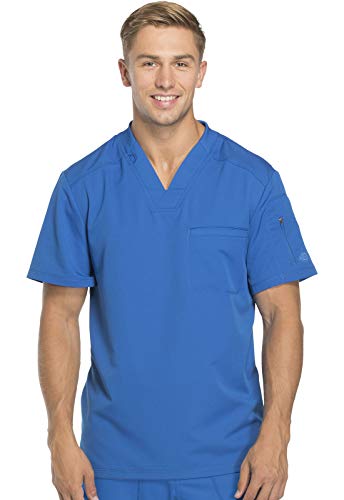 65Dickies Forge Men's 3-Pocket V-Neck Scrub Top
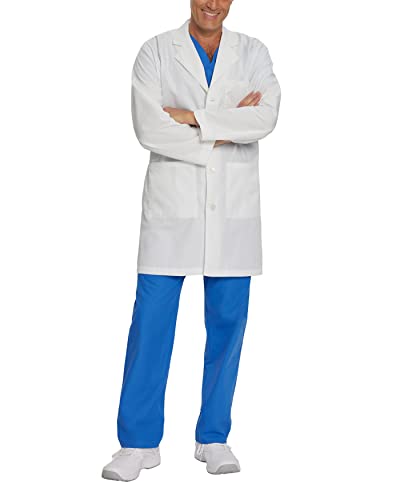 65Landau Men's Lab Coat - 100% Cotton Super Twill
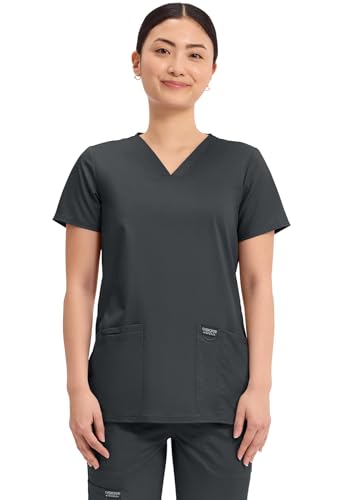 65Cherokee Workwear Originals Ultra Women's 2-Pocket V-Neck Scrub Top
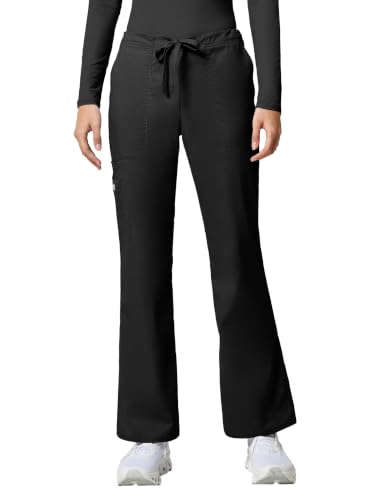 65Cherokee Workwear Women's 3-Pocket Flare Leg Drawstring Scrub Pants
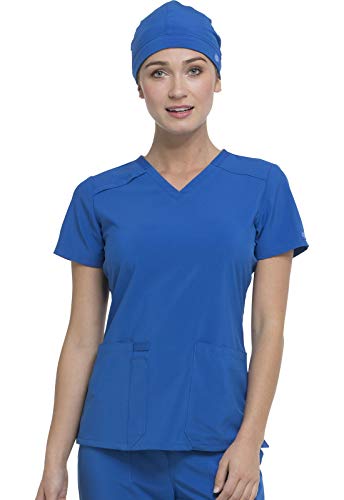 65Dickies EDS Essentials Unisex STRETCH Inner Terrycloth Scrub HatCompare vs Dickies →All scrubs & work uniforms →
How we score, every product runs through the same public 0-100 rubric based on materials, coatings, brand disclosure, lab findings, and recalls. See the full methodology → Spotted a mistake? Report an error.