Landau · Scrubs & Work Uniforms
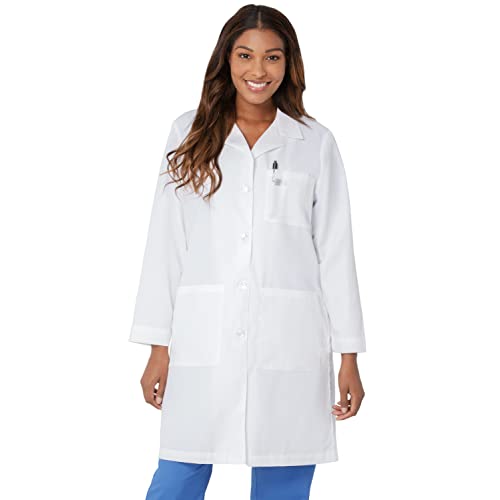
Landau Women's Consultation Coat
Skip until brand discloses coating details or certifies.
Landau consultation coats use standard polyester/cotton blends without disclosed coatings. Brand does not address PFAS or provide third-party verification, limiting transparency on finishes.
Still want this one anyway? Check the price on Amazon. We’d swap it.
Material
polyester/cotton blend, uncoated medical apparel
Brand disclosure
Brand is silent on PFAS
Lab data
No public lab test
You may also be interested in
Top-graded picks in the categories readers replace first, every one scored on the same rubric.

- polypropylene filter housing, carbon/sediment cartridge
- We found no PFAS statement from the brand
- Bacterial growth in spent cartridges
3 hazards checked on this product, all on its full breakdown.

Aquasure
Premier Series 75 GPD Under Sink Reverse Osmosis Water Filtration System
- RO membrane, carbon filters, stainless steel housing
- We found no PFAS statement from the brand
- Bacterial and microbial growth in housing and filters
4 hazards checked on this product, all on its full breakdown.

Avocado
Vegan Mattress
- organic cotton, natural latex, coconut coir, recycled steel coils
- The brand calls it PFAS-free, which we have not verified
- Heavy metals
2 hazards checked on this product, all on its full breakdown.
What Landau Women's Consultation Coat is made of, ingredients and materials
This coat is a polyester/cotton blend, a common choice for medical apparel because cotton provides breathability and comfort while polyester adds durability and wrinkle resistance. The blend is uncoated, meaning no water-repellent or stain-resistant topical treatment is applied, which eliminates the primary vector for PFAS in textiles. However, polyester itself is synthesized from petroleum; the weave and finishing processes (dyeing, curing, pressing) are where chemical residues most commonly remain.
What’s concerning
Category baseline
The starting point for this type of product, before anything specific to this product is counted.
No PFAS disclosure
No public statement from the brand about PFAS in this product.
Azo dyes and disperse dyes
Polyester is commonly dyed with disperse dyes, some of which are azo-based and may release aromatic amines under sweat or heat. No specific safety incident is on record for Landau coats, but the brand does not certify dye chemistry compliance.
Formaldehyde / VOCs
Polyester/cotton blends are often treated with formaldehyde-based resins to improve wrinkle resistance and shape retention. Medical apparel typically uses lower-formaldehyde or low-formaldehyde treatments, but Landau does not publicly state the specification or testing standard applied.
Source, ATSDR ↗Antimony catalyst residues in polyester fiber
Polyester is synthesized using antimony trioxide as a catalyst; trace residues can remain in the finished fiber. Exposure risk is low in normal wear, but no public statement from Landau confirms antimony levels meet regulatory thresholds (typically <0.5 ppm in textiles under OEKO-TEX).
Microfiber shedding (polyester degradation)
Polyester sheds microfibers during washing and wear, a recognized environmental and potential inhalation hazard in high-friction zones (cuffs, seams). This is inherent to the material and not specific to Landau, but no brand-level mitigation strategy is disclosed.
What’s reassuring
Base material not linked to PFAS
The main material recorded for this product is not one associated with PFAS.
Heavy metals
No recalls or reported incidents of lead, cadmium, or chromium in Landau apparel. Medical-grade dyes are generally subject to vendor screening, but Landau does not publish supplier audit results or third-party test certificates.
Source, FDA ↗How is this PFAS grade calculated?
The brand's record and disclosure
Landau is a major manufacturer of healthcare uniforms and apparel but does not publicly disclose fabric certifications (e.g., OEKO-TEX, GOTS) or detailed chemical processing protocols on this product. The brand has not published a PFAS phase-out commitment or transparency report. Without certification or supplier documentation, you cannot verify whether the cotton and polyester were treated with antimony catalysts, azo dyes, or formaldehyde-releasing resins during production.
How it compares in its category
Medical scrubs and coats are typically polyester/cotton blends; uncoated versions like this one are standard and pose lower coating-related risk than water-repellent or stain-guard alternatives. However, most competitors also lack public chemical disclosure. Certified alternatives (e.g., OEKO-TEX Standard 100 or Bluesign certified medical wear) exist but command a price premium and are less common in retail channels.
If you buy it
Wash before first wear to reduce loose dye and finish residues. Use warm water (not hot, which can accelerate any remaining volatile chemical release) and unscented detergent; avoid fabric softeners and bleach. Polyester/cotton blends are durable; replace when seams fray or elastication fails, typically 1-2 years of regular laundering. Store in a breathable cotton bag rather than plastic, especially if new, to allow any residual volatiles to dissipate.
What is not known about PFAS in this product?
- Basis
- Model estimate, 72% confidence, not a lab result
- Lab test
- None on record for this exact product
- Brand statement
- Landau has made none
Formulations change between production runs, so check the current label. How we grade.
More scrubs & work uniforms grades
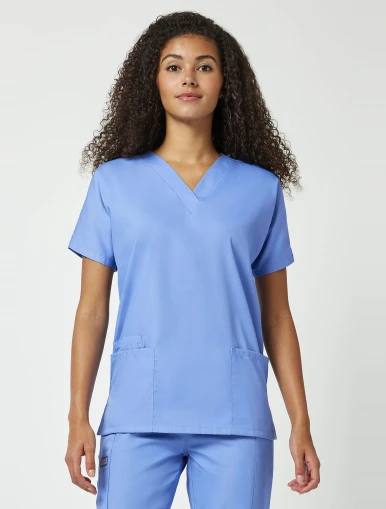 65Cherokee V-Neck Scrub Top for Women with 3 Pockets & Dolman Sleeve - 4700
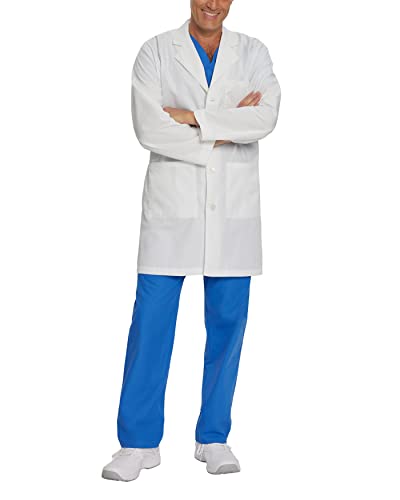 65Landau Men's Lab Coat - 65% Poly/35% Combed Cotton 5 Buttons
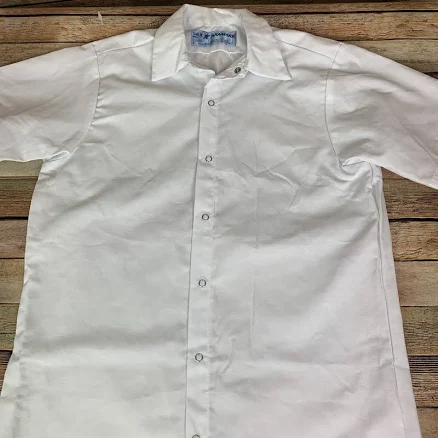 65Aramark Uniform Work Shirt Employee Short Sleeve White Snap Button Up
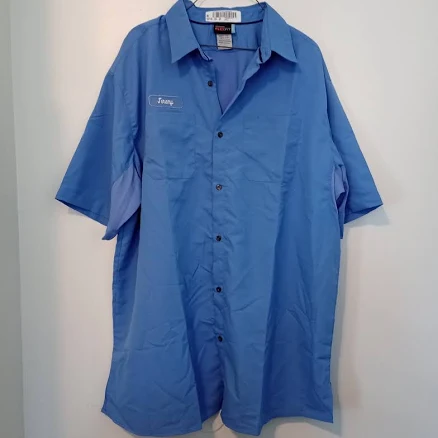 65Men’s 2xl Aramark Flexfit Uniform Work Shirt Blue
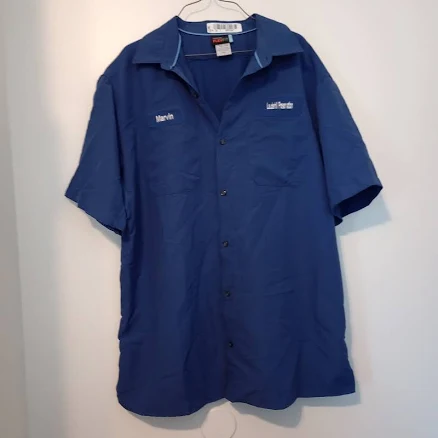 65Xl Aramark Flexfit Blue Work Shirt Short Sleeve Uniform
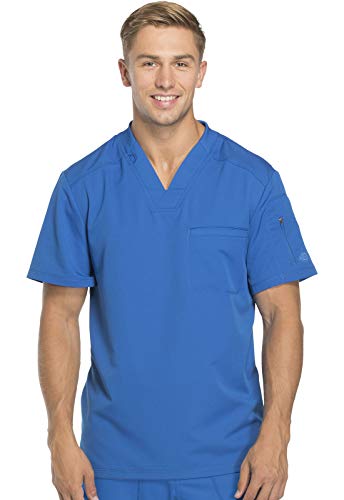 65Dickies Forge Men's 3-Pocket V-Neck Scrub Top
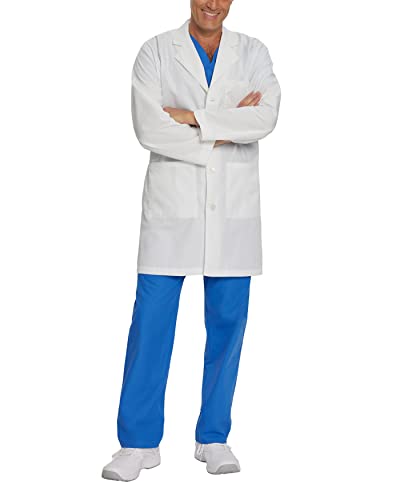 65Landau Men's Lab Coat - 100% Cotton Super Twill
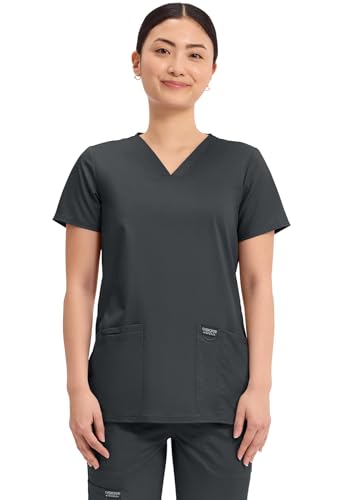 65Cherokee Workwear Originals Ultra Women's 2-Pocket V-Neck Scrub Top
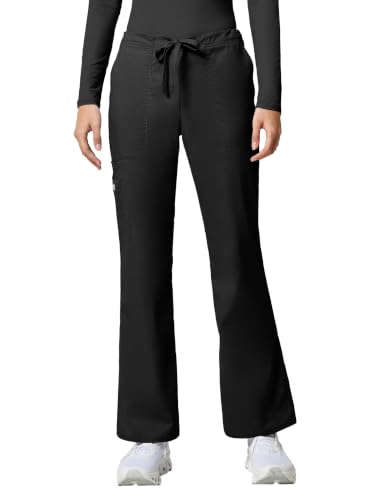 65Cherokee Workwear Women's 3-Pocket Flare Leg Drawstring Scrub Pants
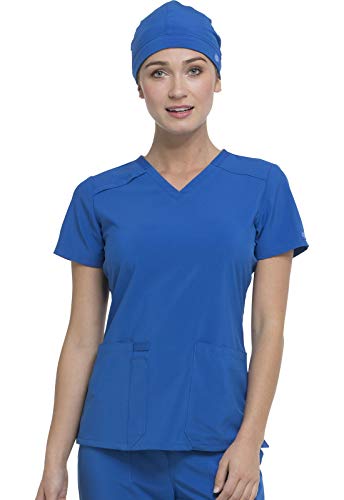 65Dickies EDS Essentials Unisex STRETCH Inner Terrycloth Scrub HatCompare vs Dickies →All scrubs & work uniforms →
How we score, every product runs through the same public 0-100 rubric based on materials, coatings, brand disclosure, lab findings, and recalls. See the full methodology → Spotted a mistake? Report an error.