Landau · Scrubs & Work Uniforms
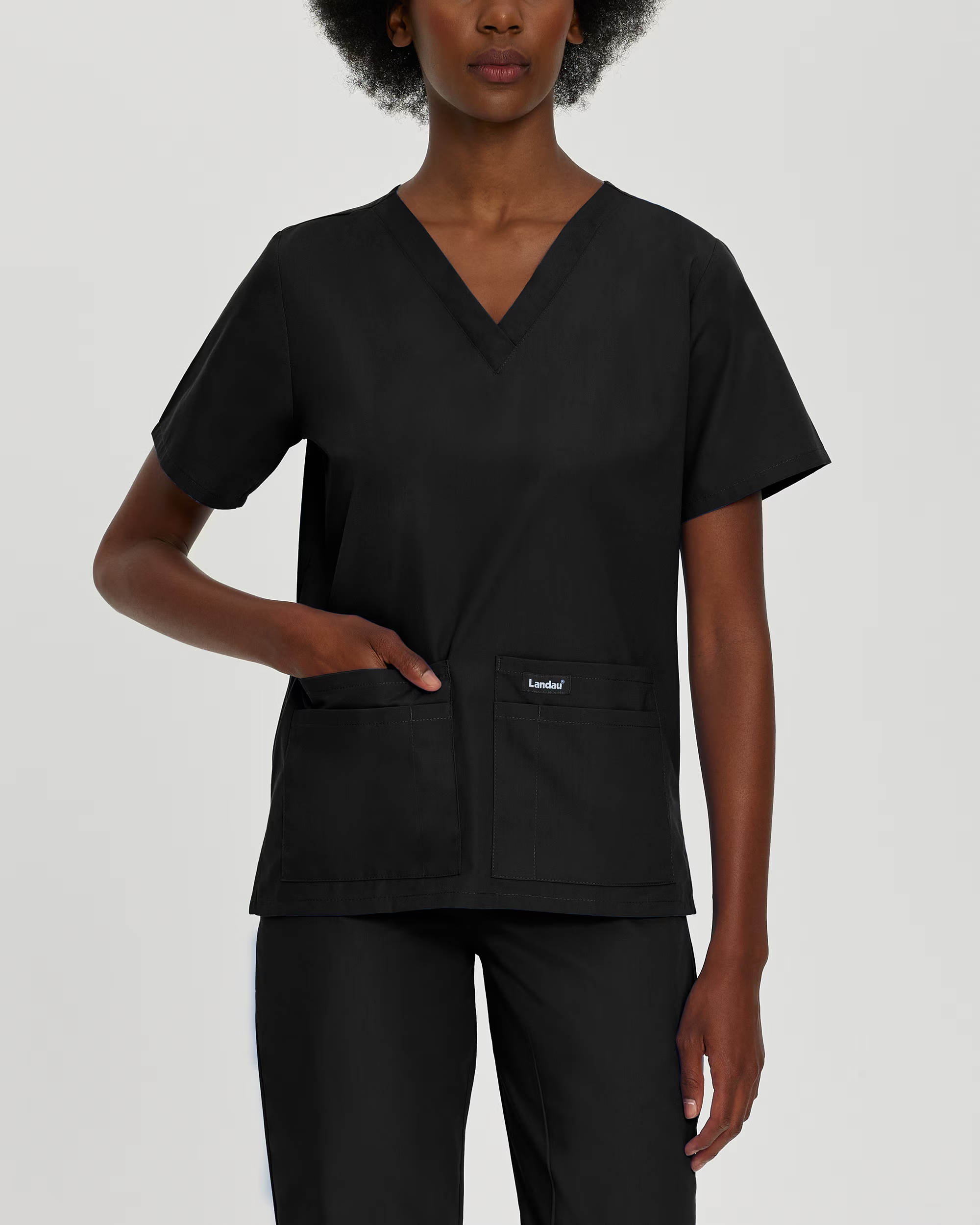
Landau Women's Poplin V-Neck Tunic
Lower concern medical scrub tunic, no PFAS treatment evident.
Landau poplin tunics are untreated woven blends without waterproofing or stain-resistant finishes. No PFAS claims or disclosures found; typical workwear fabric carries minimal PFAS risk.
Still want this one anyway? Check the price on Amazon. We’d swap it.
Material
65% polyester, 35% cotton poplin
Brand disclosure
Brand is silent on PFAS
Lab data
No public lab test
You may also be interested in
Top-graded picks in the categories readers replace first, every one scored on the same rubric.

- polypropylene filter housing, carbon/sediment cartridge
- We found no PFAS statement from the brand
- Bacterial growth in spent cartridges
3 hazards checked on this product, all on its full breakdown.

Aquasure
Premier Series 75 GPD Under Sink Reverse Osmosis Water Filtration System
- RO membrane, carbon filters, stainless steel housing
- We found no PFAS statement from the brand
- Bacterial and microbial growth in housing and filters
4 hazards checked on this product, all on its full breakdown.

Avocado
Vegan Mattress
- organic cotton, natural latex, coconut coir, recycled steel coils
- The brand calls it PFAS-free, which we have not verified
- Heavy metals
2 hazards checked on this product, all on its full breakdown.
What Landau Women's Poplin V-Neck Tunic is made of, ingredients and materials
This tunic is 65% polyester and 35% cotton poplin, a durable plain-weave blend common in healthcare uniforms. Polyester contributes wrinkle resistance and shape retention; cotton adds breathability and comfort for prolonged wear. Poplin construction (tight cross-weave) is inherently stable and does not require heavy chemical finishes to maintain structure, reducing processing chemical load compared to looser weaves.
What’s concerning
Category baseline
The starting point for this type of product, before anything specific to this product is counted.
No PFAS disclosure
No public statement from the brand about PFAS in this product.
Antimony in polyester
Polyester fiber (65% of this tunic) is commonly produced using antimony trioxide as a catalyst; typical levels in apparel are below regulatory concern thresholds (< 2 ppm in finished fiber), but migration into skin is not zero. Long-term occupational exposure risk is extremely low for the wearer; this is a chronic hazard only under prolonged direct contact with degrading plastic, not fabric.
Dye migration and color fastness
Any dyed textile can release dye molecules into sweat or moisture under heat and friction; poplin tunics dyed in dark colors (common for scrubs) may show minor bleeding on first or second wash. This is cosmetic rather than a health hazard but can stain light undergarments; pre-wash and avoid mixing with whites.
What’s reassuring
Base material not linked to PFAS
The main material recorded for this product is not one associated with PFAS.
Azo dyes
Poplin tunics are typically piece-dyed rather than yarn-dyed; no specific azo dye safety recalls or restrictions are on record for Landau apparel. Medical-grade suppliers often comply with EU textile regulations limiting carcinogenic amines, though certification is not published here.
Formaldehyde / VOCs
Poplin weaves do not require formaldehyde-based resin finishes (durable press, wrinkle-resist) to maintain structure; Landau tunics are typically only dyed and finished with lubricants and softeners. No formaldehyde finish treatment is evident from the product description or typical manufacturing for this category.
Source, ATSDR ↗Flame retardants
Medical apparel is generally exempt from children's sleepwear flame retardant requirements; no flame retardant treatment is typical or named for Landau scrub tunics. Adult apparel does not require FR treatment, and none is evident from standard cotton-polyester poplin processing.
Source, EPA ↗How is this PFAS grade calculated?
The brand's record and disclosure
Landau is a long-established US medical apparel manufacturer with no public product safety recalls or chemical disclosure controversies on record for this line. The brand does not publish sustainability or chemical restriction certifications (e.g., OEKO-TEX, GOTS), but absence of disclosure does not indicate presence of hazard. No third-party safety violations or litigation have been documented for Landau scrub tunics.
How it compares in its category
Medical scrub tunics in this price and quality tier typically use polyester-cotton blends identical to this formulation; Landau's poplin tunic is a standard offering with no elevated chemical burden relative to competitors like Dickies or Cherokee. All-cotton alternatives eliminate polyester antimony risk but are less durable and wrinkle-prone; 100% polyester options pose the same antimony concern but may include more water-repellent finishes (not named here). This blend represents mid-range durability and chemical profile for healthcare wear.
If you buy it
Wash in warm water (not hot, to preserve dye fastness) with mild detergent; avoid bleach and fabric softeners, which can degrade poplin weave over time. Tumble dry on low or line dry to minimize shrinkage and heat stress to polyester. Inspect seams and fabric for pilling or fading after 50+ washes; replacement is typical after 1-2 years of frequent clinical use. Do not expose to direct heat (steam press, high dryer) as polyester can melt or yellow.
What is not known about PFAS in this product?
- Basis
- Model estimate, 72% confidence, not a lab result
- Lab test
- None on record for this exact product
- Brand statement
- Landau has made none
Formulations change between production runs, so check the current label. How we grade.
More scrubs & work uniforms grades
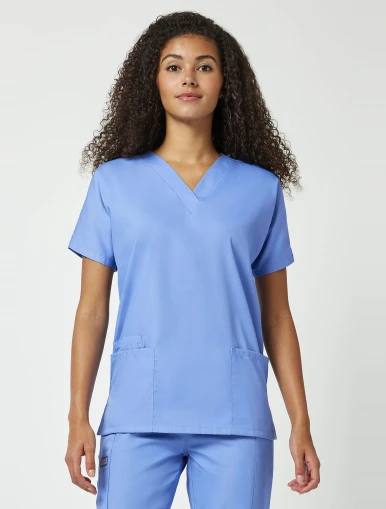 65Cherokee V-Neck Scrub Top for Women with 3 Pockets & Dolman Sleeve - 4700
 65Landau Men's Lab Coat - 65% Poly/35% Combed Cotton 5 Buttons
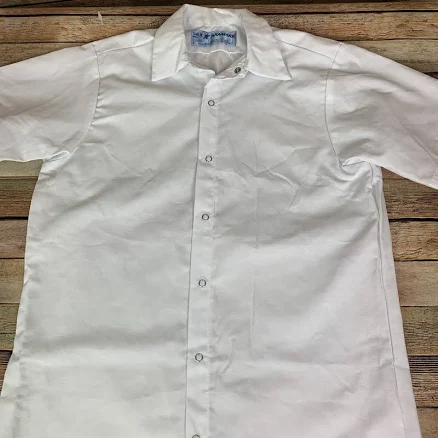 65Aramark Uniform Work Shirt Employee Short Sleeve White Snap Button Up
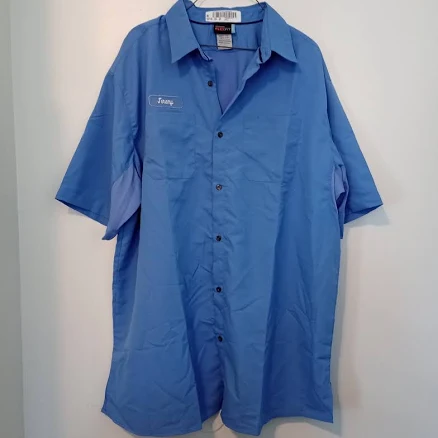 65Men’s 2xl Aramark Flexfit Uniform Work Shirt Blue
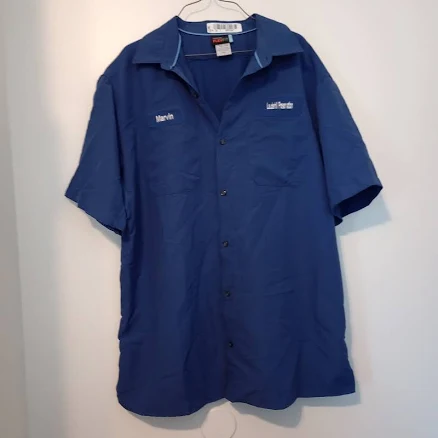 65Xl Aramark Flexfit Blue Work Shirt Short Sleeve Uniform
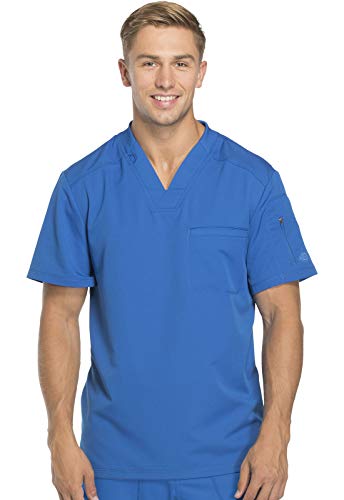 65Dickies Forge Men's 3-Pocket V-Neck Scrub Top
 65Landau Men's Lab Coat - 100% Cotton Super Twill
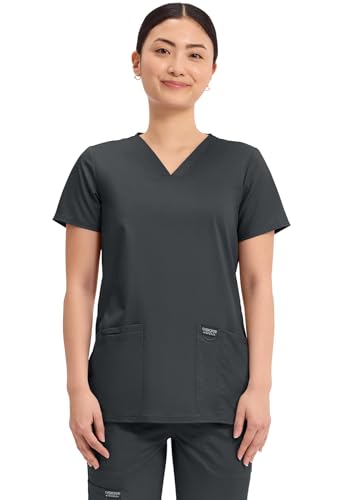 65Cherokee Workwear Originals Ultra Women's 2-Pocket V-Neck Scrub Top
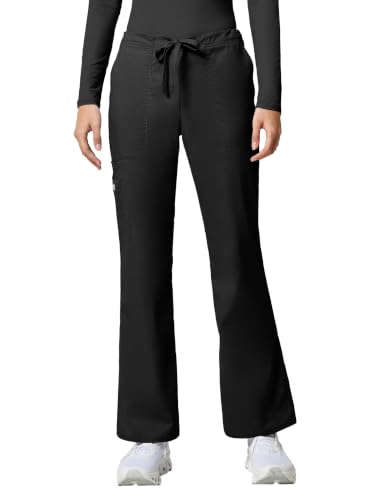 65Cherokee Workwear Women's 3-Pocket Flare Leg Drawstring Scrub Pants
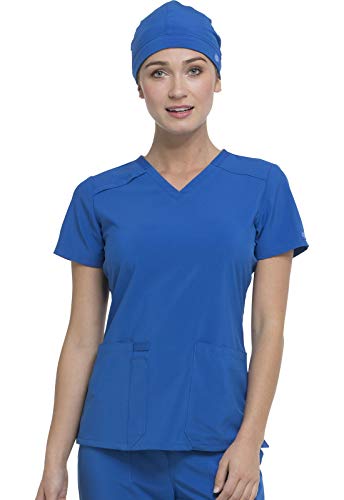 65Dickies EDS Essentials Unisex STRETCH Inner Terrycloth Scrub HatCompare vs Dickies →All scrubs & work uniforms →
How we score, every product runs through the same public 0-100 rubric based on materials, coatings, brand disclosure, lab findings, and recalls. See the full methodology → Spotted a mistake? Report an error.