LifeProof · Waterproof Phone Cases
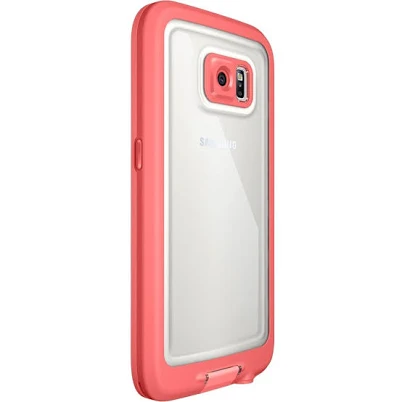
LifeProof frē Smartphone Case
No coating described, and no PFAS statement from the brand.
The product information we reviewed describes polycarbonate shell, rubber, with no water-repellent coating named. Water resistance on products like this usually comes from the material and its seals rather than a surface treatment. The brand has published no PFAS statement for it.
We flunk more products than we pass. This one earned its grade. How we grade
Material
Polycarbonate shell, rubber
Brand disclosure
Brand is silent on PFAS
Lab data
No public lab test
What LifeProof frē Smartphone Case is made of, ingredients and materials
The frē case uses polycarbonate (a rigid plastic) for the shell and rubber for seals and impact-absorbing components. Polycarbonate is stable under normal use and does not leach BPA in its solid form unless exposed to high heat or harsh solvents. The rubber seals are the critical element for waterproofing; they create mechanical barriers rather than relying on chemical coatings. No specialized waterproof coating is described in public product information.
What’s concerning
Category baseline
The starting point for this type of product, before anything specific to this product is counted.
No PFAS disclosure
No public statement from the brand about PFAS in this product.
Rubber/elastomer degradation and off-gassing
Rubber seals may off-gas volatile compounds (odor) during manufacturing or initial use, particularly in enclosed spaces. This is typically mild and non-toxic but can cause temporary odor sensitivity. Effect diminishes after a few days of airing out.
Microplastic shedding from wear
Polycarbonate and rubber components can shed fine particles over time with heavy use, dropping, or impact. Particles remain inside the case or near device ports; direct ingestion risk is minimal, but environmental impact from discarded cases accumulates at product-of-life end.
Seal failure and pathogen growth if water traps
If seals degrade or are not dried properly, trapped moisture can harbor bacterial or mold growth inside the case. This is a maintenance issue, not a manufacturing defect, but represents the main biological hazard of waterproof case design.
What’s reassuring
Base material not linked to PFAS
The main material recorded for this product is not one associated with PFAS.
BPA & bisphenols
Solid polycarbonate does not release BPA under normal ambient conditions. Risk is theoretical only if case is heated above 60-70°C or exposed to aggressive chemicals; standard phone use poses no documented leaching risk.
Source, FDA ↗Heavy metals
No recalls or testing data indicate toxic heavy metals in LifeProof frē dyes or polycarbonate resin. Industry standards for phone case materials are loose, but no public evidence of contamination in this brand.
Source, FDA ↗The full breakdown
The brand's record and disclosure
LifeProof (owned by Otterbox) does not publish detailed material safety disclosures or PFAS statements. The brand has no documented recalls related to chemical hazards in smartphone cases. LifeProof's marketing focuses on durability and waterproofing performance rather than chemical safety transparency, which is typical for the consumer electronics accessory sector but limits independent verification of material sourcing.
How it compares in its category
Waterproof phone cases typically rely on sealed designs and elastomer gaskets rather than chemical coatings, making them lower-risk for off-gassing compared to foam cushioning or fabric-lined cases. The frē's polycarbonate-plus-rubber approach is standard in the category. Competitors like OtterBox Defender and tech21 cases use similar materials, though tech21 explicitly markets non-PVC compounds in some lines.
If you buy it
Inspect seals and rubber components monthly for cracks or degradation; water resistance declines as seals age. Avoid prolonged exposure to direct sunlight or heat above 60 degrees Celsius, which can slightly soften polycarbonate and compromise seal integrity. Replace the case if rubber gaskets become hard, cracked, or lose elasticity. Rinse the case with fresh water after saltwater exposure to prevent mineral buildup in seal channels.
What we don’t know
- Basis
- Model estimate, 45% confidence, not a lab result
- Lab test
- None on record for this exact product
- Brand statement
- LifeProof has made none
Formulations change between production runs, so check the current label. How we grade.
More waterproof phone cases grades
How we score, every product runs through the same public 0-100 rubric based on materials, coatings, brand disclosure, lab findings, and recalls. See the full methodology → Spotted a mistake? Report an error.