LifeProof · Waterproof Phone Cases
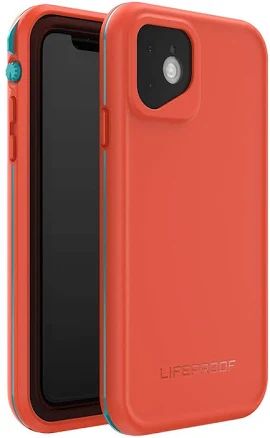
LifeProof FRE Case for iPhone 11
No coating described, and no PFAS statement from the brand.
The product information we reviewed describes polycarbonate plastic, with no water-repellent coating named. Water resistance on products like this usually comes from the material and its seals rather than a surface treatment. The brand has published no PFAS statement for it.
We flunk more products than we pass. This one earned its grade. How we grade
Material
Polycarbonate plastic
Brand disclosure
Brand is silent on PFAS
Lab data
No public lab test
What LifeProof FRE Case for iPhone 11 is made of, ingredients and materials
The LifeProof FRE case is constructed from polycarbonate plastic, a rigid thermoplastic polymer chosen for impact resistance and clarity. Polycarbonate does not require Teflon-type coating or silicone coatings to achieve waterproofing; instead, the FRE uses mechanical seals (elastomer gaskets around ports and edges) to create its IP68 rating. This design avoids the chemical coating risks present in some cookware or coated textiles, making the material itself the primary safety concern rather than surface treatments.
What’s concerning
Category baseline
The starting point for this type of product, before anything specific to this product is counted.
No PFAS disclosure
No public statement from the brand about PFAS in this product.
Polycarbonate degradation and microplastic release
Over extended use (2+ years), polycarbonate can become brittle from UV and thermal cycling, potentially fragmenting into microplastics. No specific data exists for LifeProof FRE, but polycarbonate cases in general are subject to this aging mechanism. Risk is low in normal 1-2 year replacement cycles.
BPA & bisphenols
Polycarbonate is synthesized from BPA; however, migration into food or prolonged skin contact from a phone case is negligible since the case does not contact food and phone contact is intermittent. Risk is theoretical and not documented in this product class.
Source, FDA ↗Elastomer gasket degradation and off-gassing
The waterproof seals use elastomers (likely EPDM or silicone) that can degrade over years, potentially releasing volatile compounds. No complaints documented for LifeProof products; risk remains low with proper maintenance and replacement.
What’s reassuring
Base material not linked to PFAS
The main material recorded for this product is not one associated with PFAS.
Lead
LifeProof FRE cases are typically transparent or minimal-pigment designs. No safety warnings or recalls cite heavy metal contamination in the polycarbonate housing itself.
Source, ATSDR ↗Formaldehyde / VOCs
Standard polycarbonate for phone cases does not require flame retardant additives or formaldehyde-releasing adhesives. No disclosure or reports suggest this hazard in the FRE case.
Source, ATSDR ↗The full breakdown
The brand's record and disclosure
LifeProof (owned by OtterBox/Nexpow) has not published independent chemical safety disclosures or third-party certifications for this case. The brand remains silent on PFAS and broader material safety testing. No recalls or safety complaints specific to chemical leaching from the polycarbonate housing are documented in public records. The company markets durability and protection, not chemical safety, which is typical for this accessory category.
How it compares in its category
Rigid polycarbonate cases like the FRE present lower concern for off-gassing plasticizers compared to softer TPE or silicone alternatives. LifeProof's mechanical seal design avoids coated-material reliance, putting it on par with competitors like Spigen or Pelican in terms of baseline chemical hazard profile. The main trade-off is durability and transparency rather than safety.
If you buy it
Clean the case periodically with mild soap and water; avoid prolonged exposure to direct sunlight, which can degrade polycarbonate over years and potentially increase microplastic shedding. Inspect gaskets annually and replace the case if seals crack or harden, as this compromises waterproofing and may allow water ingress into the phone. Do not expose to prolonged heat above 60°C (140°F), as polycarbonate can soften. Replace within 2-3 years or sooner if visible cracking appears.
What we don’t know
- Basis
- Model estimate, 45% confidence, not a lab result
- Lab test
- None on record for this exact product
- Brand statement
- LifeProof has made none
Formulations change between production runs, so check the current label. How we grade.
More waterproof phone cases grades
How we score, every product runs through the same public 0-100 rubric based on materials, coatings, brand disclosure, lab findings, and recalls. See the full methodology → Spotted a mistake? Report an error.