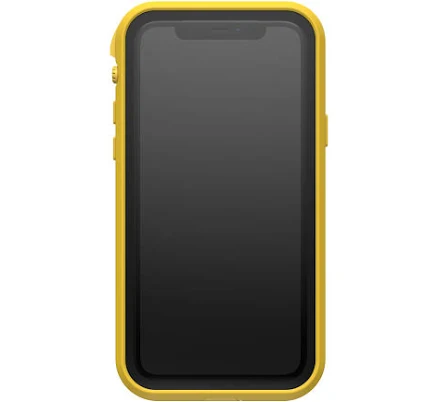
LifeProof · Waterproof Phone Cases
LifeProof Fre Case for iPhone 11 Pro
No coating described, and no PFAS statement from the brand.
The product information we reviewed describes polycarbonate and synthetic rubber, with no water-repellent coating named. Water resistance on products like this usually comes from the material and its seals rather than a surface treatment. The brand has published no PFAS statement for it.
We flunk more products than we pass. This one earned its grade. How we grade
Material
Polycarbonate and synthetic rubber
Brand disclosure
Brand is silent on PFAS
Lab data
No public lab test
You may also be interested in
Top-graded picks in the categories readers replace first, every one scored on the same rubric.

- polypropylene filter housing, carbon/sediment cartridge
- We found no PFAS statement from the brand
- Bacterial growth in spent cartridges
3 hazards checked on this product, all on its full breakdown.

Aquasure
Premier Series 75 GPD Under Sink Reverse Osmosis Water Filtration System
- RO membrane, carbon filters, stainless steel housing
- We found no PFAS statement from the brand
- Bacterial and microbial growth in housing and filters
4 hazards checked on this product, all on its full breakdown.

Avocado
Vegan Mattress
- organic cotton, natural latex, coconut coir, recycled steel coils
- The brand calls it PFAS-free, which we have not verified
- Heavy metals
2 hazards checked on this product, all on its full breakdown.
What LifeProof Fre Case for iPhone 11 Pro is made of, ingredients and materials
The LifeProof Fre uses polycarbonate (a rigid plastic) as its primary structural layer combined with synthetic rubber for shock absorption and sealing. Polycarbonate is a well-established engineering polymer chosen for impact resistance and optical clarity; it does not inherently leach BPA in normal use because BPA is not a component of polycarbonate manufacturing (BPA is a precursor chemical that does not remain in the final polymer). The synthetic rubber provides the waterproof gaskets and bumpers, which are chemically inert under typical phone-use temperatures and do not off-gas significantly at room temperature.
What’s concerning
Category baseline
The starting point for this type of product, before anything specific to this product is counted.
No PFAS disclosure
No public statement from the brand about PFAS in this product.
Polycarbonate degradation under UV and heat stress
Polycarbonate can become brittle and micro-crack after prolonged sun exposure or heat above 60°C. This is primarily a durability risk rather than a direct chemical hazard, but degradation may eventually expose rubber components or allow water ingress that changes the safety profile of the sealed system.
Synthetic rubber gasket degradation or leaching
Long-term exposure to salt water, extreme pH cleaners, or certain organic solvents (e.g., hand sanitizer if applied frequently to the case seals) may degrade synthetic rubber gaskets. No specific chemical leachate hazard is documented, but compromised seals remove the waterproof barrier and are a functional safety concern.
What’s reassuring
Base material not linked to PFAS
The main material recorded for this product is not one associated with PFAS.
Flame retardants
Polycarbonate and synthetic rubbers used in phone cases do not typically require phthalates or halogenated flame retardants. No public disclosures or recalls link LifeProof Fre cases to phthalates or brominated flame retardants; industry standard formulations avoid these due to cost and regulatory pressure.
Source, EPA ↗Heavy metals
Phone cases use minimal dyes (mostly pigments in black or transparent formulations). No recalls or test reports have identified lead, cadmium, or other heavy metals in LifeProof case colorants. This is a low-risk area for plastic phone cases compared to textiles or ceramics.
Source, FDA ↗Formaldehyde / VOCs
The LifeProof Fre design is based on mechanical assembly (no liquid adhesives described for normal sealing) and does not use topical coating layers. Industrial polycarbonate and rubber formulations do not typically incorporate formaldehyde-releasing resins, so off-gassing risk is minimal.
Source, ATSDR ↗How is this PFAS grade calculated?
The brand's record and disclosure
LifeProof (owned by OtterBox, a subsidiary of Essensys) does not publish detailed material safety disclosures or third-party chemical certifications for individual cases. The brand does not make public claims about flame retardants, phthalates, or heavy metal restrictions in cases. No recalls or regulatory warnings specific to chemical hazards in LifeProof Fre cases have been established in public records. The company's silence on material disclosure is typical for the phone case industry but limits independent verification.
How it compares in its category
Waterproof phone cases are generally lower-chemical-risk products compared to cookware, cosmetics, or textiles because they do not contact food, skin, or mucous membranes during normal use and are never heated. The sealed rubber and polycarbonate design means minimal off-gassing or leaching potential. LifeProof's reputation for durability and waterproof integrity is well-established; it holds a competitive position based on engineering rather than material innovation, which tends to reduce the likelihood of novel chemical additives.
If you buy it
Avoid prolonged exposure to direct sunlight or temperatures above 60°C (140°F), as polycarbonate can degrade over time with UV and heat stress, though this is a mechanical durability issue, not a chemical safety trigger. Clean with mild soap and water; do not use solvents (acetone, alcohol) that can stress the polycarbonate. Inspect gaskets annually for cracks or hardening; replace the case if seals fail. The case is not meant for sustained submersion in salt water, which can degrade rubber seals and potentially allow long-term contact with skin, so rinse after ocean use.
What is not known about PFAS in this product?
- Basis
- Model estimate, 45% confidence, not a lab result
- Lab test
- None on record for this exact product
- Brand statement
- LifeProof has made none
Formulations change between production runs, so check the current label. How we grade.
What are the PFAS-free alternatives to LifeProof Fre Case for iPhone 11 Pro?
- Flax fiber and plant-based resin blend, compostable
- A third party reports verifying it as PFAS-free
- Coating degradation and durability over time
2 hazards checked on this product, all on its full breakdown.
- plant-based bioplastic (flax and other plant fibers)
- A third party reports verifying it as PFAS-free
- Thermal degradation and warping
3 hazards checked on this product, all on its full breakdown.
- Plant-based bioplastic (compostable blend)
- A third party reports verifying it as PFAS-free
- Bioplastic degradation and microparticle shedding
More waterproof phone cases grades
How we score, every product runs through the same public 0-100 rubric based on materials, coatings, brand disclosure, lab findings, and recalls. See the full methodology → Spotted a mistake? Report an error.