LifeProof · Waterproof Phone Cases
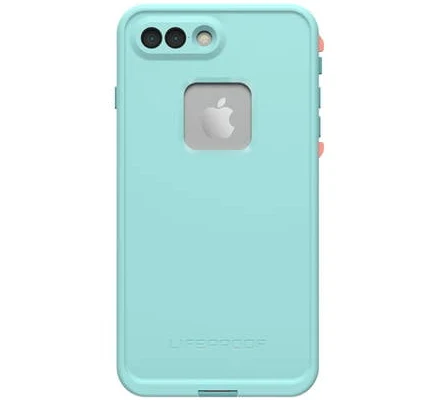
LifeProof FRE Case for iPhone 8 Plus/7 Plus
No coating described, and no PFAS statement from the brand.
The product information we reviewed describes polycarbonate/thermoplastic polymer, with no water-repellent coating named. Water resistance on products like this usually comes from the material and its seals rather than a surface treatment. The brand has published no PFAS statement for it.
We flunk more products than we pass. This one earned its grade. How we grade
Material
Polycarbonate/thermoplastic polymer
Brand disclosure
Brand is silent on PFAS
Lab data
No public lab test
What LifeProof FRE Case for iPhone 8 Plus/7 is made of, ingredients and materials
The LifeProof FRE case is constructed from polycarbonate and thermoplastic polymers, rigid plastics chosen for durability and impact resistance rather than flexibility. These materials do not typically leach BPA or phthalates under normal phone-use conditions because the case is not in direct food contact and does not hold liquids that would extract chemicals. The waterproof seal comes from the material thickness and gasket design, not from chemical coatings that might degrade or off-gas.
What’s concerning
Category baseline
The starting point for this type of product, before anything specific to this product is counted.
No PFAS disclosure
No public statement from the brand about PFAS in this product.
Microplastics
Over years of use, polycarbonate can develop micro-cracks from impact or UV exposure, potentially shedding microscopic particles; this is a minor chronic concern rather than an acute hazard, and disposal/recycling is the primary mitigation.
Source, EPA ↗What’s reassuring
Base material not linked to PFAS
The main material recorded for this product is not one associated with PFAS.
BPA & bisphenols
Polycarbonate does contain BPA in its polymer chains, but migration to skin or food is not a documented concern for rigid phone cases under normal use; the case does not contact food, beverages, or prolonged skin contact.
Source, FDA ↗Gasket and seal material leaching
The case uses elastomer seals (likely rubber or silicone) to maintain waterproofing; no public reports of chemical leaching from LifeProof gaskets have emerged, and these components are not in prolonged contact with skin or consumables.
Off-gassing or volatile organic compounds
Rigid polycarbonate cases do not typically off-gas VOCs at room temperature; no solvent smell or respiratory concern has been reported for LifeProof FRE cases, and the design is not treated with chemical coatings.
Coating degradation and leachables
No protective or decorative coating is described in product specifications; the case relies on the material's inherent properties, eliminating the risk of coating delamination or chemical release from surface treatments.
The full breakdown
The brand's record and disclosure
LifeProof (owned by OtterBox) is a well-established manufacturer with no documented chemical hazard recalls or public controversies related to phone case materials. The brand has not published a PFAS statement; the case contains no water-repellent or grease-resistant coating documented in product literature, which suggests PFAS absence rather than concealment. No third-party testing or independent safety certifications (e.g., materials compliance labeling) are widely available for this product line, reflecting the typical opacity of consumer electronics accessory manufacturers.
How it compares in its category
Waterproof phone cases vary widely, some use silicone (potential for leaching if low-quality), others rely on coatings (PFAS risk if water-repellent treatment is applied), and rigid polycarbonate cases like this one avoid both. LifeProof's design is mainstream in the premium segment; competitors like OtterBox Defender and Spigen also use polycarbonate or similar rigid polymers. This case's track record suggests no unusual chemical risks compared to other hard-shell, gasket-sealed models.
If you buy it
Avoid exposing the case to prolonged heat above 50-60°C (122-140°F), as polycarbonate can soften and degrade; do not place it in a dishwasher or boiling water. Inspect the gasket seal periodically for cracks or hardening, especially after 1-2 years of use, and replace the case if the seal fails to maintain waterproofing. Wipe the exterior with mild soap and water; harsh solvents or abrasive cleaners are unnecessary and may cloud the polycarbonate. No special storage precautions are needed beyond keeping it away from direct sunlight for extended periods to slow yellowing.
What we don’t know
- Basis
- Model estimate, 45% confidence, not a lab result
- Lab test
- None on record for this exact product
- Brand statement
- LifeProof has made none
Formulations change between production runs, so check the current label. How we grade.
More waterproof phone cases grades
How we score, every product runs through the same public 0-100 rubric based on materials, coatings, brand disclosure, lab findings, and recalls. See the full methodology → Spotted a mistake? Report an error.