LifeProof · Waterproof Phone Cases
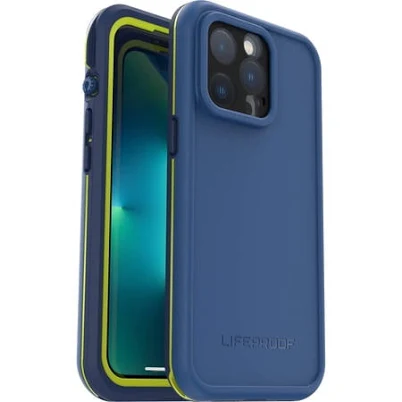
LifeProof FRE Magsafe Series Waterproof Case for iPhone 13 Pro
No coating described, and no PFAS statement from the brand.
The product information we reviewed describes polycarbonate shell, with no water-repellent coating named. Water resistance on products like this usually comes from the material and its seals rather than a surface treatment. The brand has published no PFAS statement for it.
We flunk more products than we pass. This one earned its grade. How we grade
Material
Polycarbonate shell
Brand disclosure
Brand is silent on PFAS
Lab data
No public lab test
You may also be interested in
Top-graded picks in the categories readers replace first, every one scored on the same rubric.

- polypropylene filter housing, carbon/sediment cartridge
- We found no PFAS statement from the brand
- Bacterial growth in spent cartridges
3 hazards checked on this product, all on its full breakdown.

Aquasure
Premier Series 75 GPD Under Sink Reverse Osmosis Water Filtration System
- RO membrane, carbon filters, stainless steel housing
- We found no PFAS statement from the brand
- Bacterial and microbial growth in housing and filters
4 hazards checked on this product, all on its full breakdown.

Avocado
Vegan Mattress
- organic cotton, natural latex, coconut coir, recycled steel coils
- The brand calls it PFAS-free, which we have not verified
- Heavy metals
2 hazards checked on this product, all on its full breakdown.
What LifeProof FRE Magsafe Series Pro is made of, ingredients and materials
The LifeProof FRE case uses polycarbonate (hard plastic) as its primary shell material, chosen for impact resistance and water sealing rather than chemical leaching risk. Polycarbonate does not inherently leach BPA under normal phone-use conditions because the device never contacts food or beverages. The waterproofing comes from mechanical seals (gaskets) and the material's density, not a chemical coating, so there is no Teflon-type coating or other water-repellent chemical layer to degrade or off-gas.
What’s concerning
Category baseline
The starting point for this type of product, before anything specific to this product is counted.
No PFAS disclosure
No public statement from the brand about PFAS in this product.
Gasket/seal material identity and degradation
Gaskets are typically rubber or silicone but LifeProof does not publicly disclose their composition or presence of phthalates. Seal degradation over 2-3 years is normal and expected, not a hazard unless material is ingested (unlikely in a phone case context).
Adhesive or assembly residues
Industrial adhesives used in case assembly may off-gas slightly upon opening a new product, but this resolves within days of airing and is not associated with documented health effects in phone accessory use.
What’s reassuring
Base material not linked to PFAS
The main material recorded for this product is not one associated with PFAS.
BPA & bisphenols
Polycarbonate cases do not leach into air or skin under normal conditions because there is no food/beverage contact and no external degradation pathway documented for this product type in published literature.
Source, FDA ↗Off-gassing or VOC emissions
Polycarbonate is a stable, closed-chain plastic that does not off-gas formaldehyde or volatile organics under normal indoor or outdoor conditions, unlike foam insulation or resin-heavy products.
Coating degradation and leaching
No chemical waterproof or protective coating is documented for this case. Waterproofing relies on material density and seals, so there is no coating to degrade or leach heavy metals or Teflon-type coating.
How is this PFAS grade calculated?
The brand's record and disclosure
LifeProof (owned by OtterBox) has not published a detailed PFAS statement, which is typical for phone accessory makers and reflects limited regulatory pressure in this category. The company has not faced documented recalls or safety controversies related to hazardous chemicals in phone cases. Third-party testing on phone cases is rare, so brand silence does not indicate a known problem, only a lack of proactive transparency.
How it compares in its category
Polycarbonate-based waterproof cases are the industry standard and carry lower chemical hazard risk than fabric, foam, or resin-heavy alternatives that might off-gas or leach dyes. LifeProof cases are considered mid-to-premium in the waterproof case market and do not use exotic adhesives, coatings, or flame retardants documented in other accessory brands. Compared to elastomer or silicone cases, polycarbonate avoids phthalate concerns but is less flexible.
If you buy it
Inspect gaskets annually for wear or cracking, as water sealing depends entirely on mechanical fit, not chemical durability. Avoid exposing the case to high heat (direct sun, car dashboard in summer) for extended periods, as polycarbonate can soften above 70-80°C, though normal phone use will not trigger this. Do not submerge for longer than manufacturer specifications (typically 6 meters for 1 hour) as seal fatigue can accumulate. Clean gaskets with fresh water and mild soap before reassembly to prevent mineral buildup that weakens seals.
What is not known about PFAS in this product?
- Basis
- Model estimate, 35% confidence, not a lab result
- Lab test
- None on record for this exact product
- Brand statement
- LifeProof has made none
Formulations change between production runs, so check the current label. How we grade.
What are the PFAS-free alternatives to LifeProof FRE Magsafe Series Waterproof Case for iPhone 13 Pro?
- Flax fiber and plant-based resin blend, compostable
- A third party reports verifying it as PFAS-free
- Coating degradation and durability over time
2 hazards checked on this product, all on its full breakdown.
- plant-based bioplastic (flax and other plant fibers)
- A third party reports verifying it as PFAS-free
- Thermal degradation and warping
3 hazards checked on this product, all on its full breakdown.
- Plant-based bioplastic (compostable blend)
- A third party reports verifying it as PFAS-free
- Bioplastic degradation and microparticle shedding
More waterproof phone cases grades
How we score, every product runs through the same public 0-100 rubric based on materials, coatings, brand disclosure, lab findings, and recalls. See the full methodology → Spotted a mistake? Report an error.