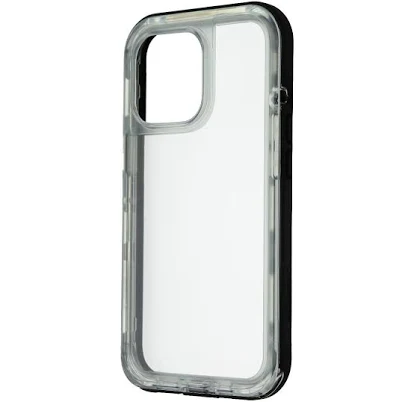
LifeProof · Waterproof Phone Cases
LifeProof Next Series Case for Apple iPhone 13
No coating described, and no PFAS statement from the brand.
The product information we reviewed describes plastic shell, elastomer bumper, waterproof seals, with no water-repellent coating named. Water resistance on products like this usually comes from the material and its seals rather than a surface treatment. The brand has published no PFAS statement for it.
We flunk more products than we pass. This one earned its grade. How we grade
Material
Plastic shell, elastomer bumper, waterproof seals
Brand disclosure
Brand is silent on PFAS
Lab data
No public lab test
What LifeProof Next Series Case for Apple is made of, ingredients and materials
The LifeProof Next case uses a rigid plastic shell (likely polycarbonate or ABS) paired with an elastomer bumper (synthetic rubber) and waterproof seals. These are inert, non-food-contact materials chosen for shock absorption and water exclusion, not chemical leaching. The waterproofing relies on mechanical sealing (gaskets and design geometry) rather than coatings that could degrade or leach, making the material profile straightforward and low-risk for the intended use.
What’s concerning
Category baseline
The starting point for this type of product, before anything specific to this product is counted.
No PFAS disclosure
No public statement from the brand about PFAS in this product.
Elastomer degradation and leaching
Elastomer bumpers can degrade over years of UV and thermal cycling. While the polymers themselves are stable, prolonged contact with high heat or petroleum solvents (e.g., pocket lint oils) may accelerate wear. No specific leachate toxicity has been reported for LifeProof cases, but aging seals can lose waterproofing function before chemical hazard emerges.
Microplastics
Repeated drops, impacts, and rubbing may generate small plastic fragments from the case surface or bumper. These particles are released into the environment at disposal, not into direct contact with skin or food. This is a general durability issue across rigid plastic cases, not specific to LifeProof's design.
Source, EPA ↗Bacterial or mold growth in sealed gaps
Waterproof seams and gaps trap moisture if water enters during seal failure or improper drying. Prolonged moisture can support bacterial or fungal growth, though this is a maintenance issue rather than a product toxicity hazard. Regular drying and gasket inspection prevent this scenario.
What’s reassuring
Base material not linked to PFAS
The main material recorded for this product is not one associated with PFAS.
Trace metals in plastic colorants (if dyed cases)
LifeProof Next is typically sold in neutral colors (black, clear) using standard plastic pigments. No reports of heavy metal contamination in colorants exist for this brand. Risk is minimal and only relevant if the case is habitually chewed or handled by infants, which is not the intended use.
Formaldehyde / VOCs
Polycarbonate and elastomer cases do not typically use formaldehyde-releasing adhesives or flame retardant coatings. No odor complaints or off-gassing warnings have been documented for LifeProof Next. Initial plastic smell (if present) fades within days and is not indicative of hazardous volatiles.
Source, ATSDR ↗The full breakdown
The brand's record and disclosure
LifeProof, owned by Otterbox (itself part of Essensys), does not publicly disclose PFAS testing or avoidance statements for this product line. No formal certifications (e.g., GreenGuard, Cradle to Cradle) are advertised. The brand has no documented recalls or toxicity controversies tied to case materials. Silence on PFAS is typical for consumer electronics accessories and does not indicate contamination, only lack of transparency.
How it compares in its category
Waterproof phone cases are a low-chemical-exposure product category because they do not contact food, skin over extended periods, or high-heat environments. LifeProof Next competes with OtterBox Defender and Spigen Ultra Hybrid, all using similar plastic-elastomer construction. None of these brands routinely disclose PFAS or chemical certifications; the category norm is material opacity rather than LifeProof's exception. Hard-shell cases impose fewer leaching or off-gassing risks than fabric-lined or adhesive-heavy alternatives.
If you buy it
Rinse the case with fresh water after saltwater or chlorinated-pool use to prevent seal degradation and mineral buildup. Avoid prolonged direct sunlight or heat above 50°C (122°F) to slow elastomer brittling. Inspect gaskets annually for cracks or hardening; replace the case if seals fail, as waterproofing integrity is the primary safety function. Clean interior with a dry cloth before inserting the phone to prevent moisture traps.
What we don’t know
- Basis
- Model estimate, 35% confidence, not a lab result
- Lab test
- None on record for this exact product
- Brand statement
- LifeProof has made none
Formulations change between production runs, so check the current label. How we grade.
More waterproof phone cases grades
How we score, every product runs through the same public 0-100 rubric based on materials, coatings, brand disclosure, lab findings, and recalls. See the full methodology → Spotted a mistake? Report an error.