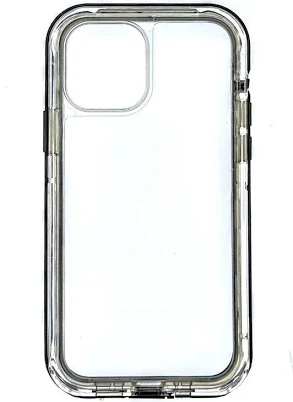
LifeProof · Waterproof Phone Cases
LifeProof Next Series Case for iPhone 12 & iPhone 12 Pro
No coating described, and no PFAS statement from the brand.
The product information we reviewed describes polycarbonate and TPE, with no water-repellent coating named. Water resistance on products like this usually comes from the material and its seals rather than a surface treatment. The brand has published no PFAS statement for it.
We flunk more products than we pass. This one earned its grade. How we grade
Material
Polycarbonate and TPE
Brand disclosure
Brand is silent on PFAS
Lab data
No public lab test
What LifeProof Next Series Case for iPhone 12 is made of, ingredients and materials
The LifeProof Next Series uses polycarbonate (rigid outer shell) bonded to thermoplastic elastomer or TPE (flexible gasket and bumper), sealed around edges to block water ingress. Polycarbonate is a tough engineering plastic with good chemical stability; TPE is a rubber-like polymer chosen for its durability and environmental stress-crack resistance. Neither material is designed to leach into skin or food, and the case does not contact consumables, so traditional food-contact leaching hazards (BPA, phthalates) are not a primary concern in normal use.
What’s concerning
Category baseline
The starting point for this type of product, before anything specific to this product is counted.
No PFAS disclosure
No public statement from the brand about PFAS in this product.
BPA & bisphenols
Polycarbonate can hydrolyze and release trace bisphenol A under prolonged exposure to hot water, but this case does not contact food or skin regularly. Risk is negligible in normal smartphone use; concern would apply only if case were reused for food storage or chewed by children.
Source, FDA ↗TPE degradation and microplastic generation
TPE gaskets can degrade or crack with age and UV exposure, potentially shedding small rubber particles. Risk is low for a case that sits in a pocket or bag; visible wear on the gasket is a trigger to replace the case.
Seal failure and water ingress
Some user reports (across waterproof case brands, including LifeProof) document seal failures after drops or material fatigue, allowing water into the phone. This is a functional safety issue, not a chemical hazard, but user maintenance of gaskets is critical.
What’s reassuring
Base material not linked to PFAS
The main material recorded for this product is not one associated with PFAS.
Heavy metals
No reports of heavy metal contamination in LifeProof Next Series cases. Polycarbonate and TPE can be colored with colorants not linked to PFAS concerns, and the brand has not faced recalls for metal residues.
Source, FDA ↗Off-gassing (volatile organic compounds)
Polycarbonate and TPE do not emit significant formaldehyde or other VOCs under normal storage or use conditions. Phone cases are not subject to interior air quality regulations that apply to furniture or building materials.
The full breakdown
The brand's record and disclosure
LifeProof (owned by OtterBox) does not publish a PFAS statement or third-party chemical disclosures for this case. No recalls or safety violations specific to the LifeProof Next Series are on record. The company has not sought certification bodies (e.g., GreenGuard) for chemical transparency on phone cases. Brand communication on material safety is minimal, which is common in the phone accessory market but limits independent verification.
How it compares in its category
Waterproof phone cases in this price tier typically rely on polycarbonate shells and TPE gaskets; the Next Series design is standard for the category. Unlike fabric-lined cases or those with foam padding, this all-plastic design presents no flame retardant or formaldehyde off-gassing risk. The sealed construction means water and dust entry is the design challenge, not chemical migration into the device or user hands.
If you buy it
Rinse the case occasionally under fresh water to prevent salt or dirt buildup in gasket grooves, which can compromise seals over time. Inspect the rubber seals yearly for cracks or hardening; replace the case if gaskets no longer compress smoothly or if you drop it hard enough to risk internal frame stress. Avoid prolonged exposure to extreme heat (above 60°C) to prevent TPE degradation. Do not use solvents or harsh chemicals on the case; mild soap and water are sufficient.
What we don’t know
- Basis
- Model estimate, 45% confidence, not a lab result
- Lab test
- None on record for this exact product
- Brand statement
- LifeProof has made none
Formulations change between production runs, so check the current label. How we grade.
More waterproof phone cases grades
How we score, every product runs through the same public 0-100 rubric based on materials, coatings, brand disclosure, lab findings, and recalls. See the full methodology → Spotted a mistake? Report an error.