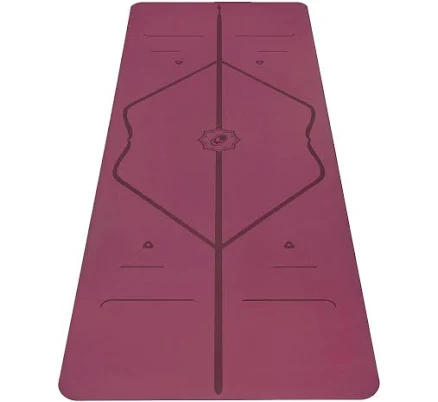
Liforme · Yoga & Exercise Mats
Liforme Yoga Mat
No coating of concern recorded, and no PFAS statement from the brand.
The brand has published no PFAS statement for this product that we could find.
We flunk more products than we pass. This one earned its grade. How we grade
Material
Natural rubber, jute, cotton blend
Brand disclosure
Brand is silent on PFAS
Lab data
No public lab test
You may also be interested in
Top-graded picks in the categories readers replace first, every one scored on the same rubric.

Aqua Pure
3M Aqua-Pure AP802B Whole House Filter Housing
- polypropylene filter housing, carbon/sediment cartridge
- We found no PFAS statement from the brand
- Bacterial growth in spent cartridges
3 hazards checked on this product. See all of them.

Aquasure
Premier Series 75 GPD Under Sink Reverse Osmosis Water Filtration System
- RO membrane, carbon filters, stainless steel housing
- We found no PFAS statement from the brand
- Bacterial and microbial growth in housing and filters
4 hazards checked on this product. See all of them.

Avocado
Vegan Mattress
- organic cotton, natural latex, coconut coir, recycled steel coils
- The brand calls it PFAS-free, which we have not verified
- Heavy metals
2 hazards checked on this product. See all of them.
What Liforme Yoga Mat is made of, ingredients and materials
Liforme mats combine natural rubber (the elastic base), jute (natural plant fiber), and cotton (woven surface layer). Natural rubber is inherently free of synthetic polymers like PVC or EVA that release plasticizers and volatile organics; jute and cotton are cellulose-based textiles with minimal processing in this application. This material profile avoids the off-gassing and microplastic shedding associated with synthetic foam mats, though natural materials can harbor mold if stored damp.
What’s concerning
No PFAS disclosure
No public statement from the brand about PFAS in this product.
Category baseline
The starting point for this type of product, before anything specific to this product is counted.
Rubber degradation and leaching of additives
Natural rubber in mats can degrade over time with UV and heat exposure, potentially releasing processing residues. The extent and identity of additives in Liforme's rubber are not disclosed; long-term contact with skin during extended practice is low-risk given the short session duration and direct air exposure, but this hazard is not eliminated by material alone.
Mold and bacterial growth on natural fiber backing
Jute and cotton are cellulose-based and will support microbial growth if stored damp or in humid conditions. This is a maintenance risk rather than a manufacturing hazard; proper drying and storage prevent accumulation. People with mold sensitivity or respiratory conditions should be aware.
What’s reassuring
Base material not linked to PFAS
The main material recorded for this product is not one associated with PFAS.
Formaldehyde / VOCs
Natural rubber and jute do not require formaldehyde-based resins for water resistance or wrinkle-setting the way synthetic textiles do. No published recall or test result indicates formaldehyde in Liforme mats, though the brand has not published a GOTS or OEKO-TEX certificate confirming its absence.
Source, ATSDR ↗Heavy metals
The mat is marketed as natural-material; typical color is muted tan/brown from the jute and rubber. No public recall or safety warning exists for dye contamination in this product. Independent verification of dye standards is absent because the brand does not cite OEKO-TEX or similar testing.
Source, FDA ↗Flame retardants
Yoga mats are not regulated as furniture or bedding and do not require flame-retardant additives. No evidence indicates their use in this product. Natural rubber and jute are combustible but not treated with PBDE, halogenated, or phosphate flame retardants as a standard practice in this category.
Source, EPA ↗The full breakdown
The brand's record and disclosure
Liforme does not publish a PFAS statement and has not released a formal chemical or sustainability disclosure on their website. The brand does market environmental credentials (biodegradable, plant-based composition) and does not appear in public product recall databases or safety warnings. No third-party certifications (OEKO-TEX, GOTS) have been announced for this product, which limits independent verification of dye safety and formaldehyde use in finishes.
How it compares in its category
Natural rubber yoga mats have lower concern for phthalates, volatiles, and off-gassing compared to PVC, EVA foam, and polyurethane alternatives. Most synthetic mats in the mid-to-premium range use PVC or NBR rubber with plasticizer additives; Liforme's natural blend sidesteps those exposures. Cost is higher than synthetic alternatives, reflecting the natural material premium and lower manufacturing scale.
If you buy it
Store in a cool, dry place away from direct sunlight to prevent rubber degradation and mold growth on the jute/cotton backing. Do not use near open heat sources or in hot yoga studios above 40°C (104°F) repeatedly, as natural rubber softens and degrades with sustained heat. Wipe with a damp cloth after use to prevent sweat buildup; allow to air-dry fully before rolling. Replace if the rubber layer cracks, tears, or loses cushioning, or if the backing develops persistent odor or visible mold despite drying.
What we don’t know
- Basis
- Model estimate, 82% confidence, not a lab result
- Lab test
- None on record for this exact product
- Brand statement
- Liforme has made none
Formulations change between production runs, so check the current label. How we grade.
Better-graded alternatives in Yoga & Exercise Mats
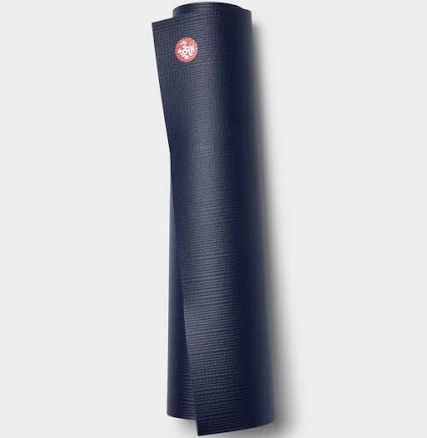
Manduka
Almost Perfect PRO Yoga Mat
- closed-cell PVC-free foam, rubber top
- A third party reports verifying it as PFAS-free
- Formaldehyde / VOCs
3 hazards checked on this product. See all of them.
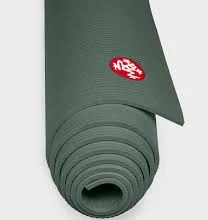
Manduka
Almost Perfect PROlite Yoga Mat
- Natural rubber and PVC, no Teflon-family coating
- A third party reports verifying it as PFAS-free
- Volatile organic compounds (VOCs) from natural rubber
More yoga & exercise mats grades
How we score, every product runs through the same public 0-100 rubric based on materials, coatings, brand disclosure, lab findings, and recalls. See the full methodology → Spotted a mistake? Report an error.