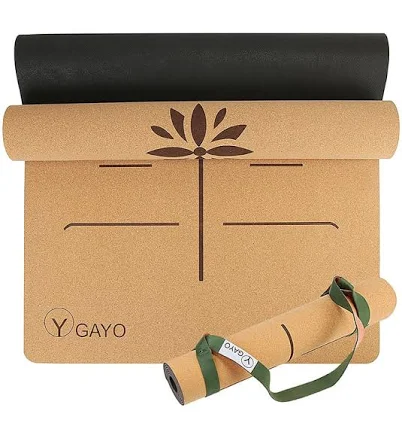
Premium Yoga Cork Mat 5mm Thick Natural Tree Rubber Base and Bigger Mat for Extra Support
Lower concern. Natural tree rubber and cork are not materials linked to PFAS.
This yoga mat is made of natural tree rubber and cork surface. No water-repellent finish or coating is on record. The brand has no PFAS statement on record.
We flunk more products than we pass. This one earned its grade. How we grade
Material
natural tree rubber, cork surface
Brand disclosure
Brand is silent on PFAS
Lab data
No public lab test
You may also be interested in
Top-graded picks in the categories readers replace first, every one scored on the same rubric.

- polypropylene filter housing, carbon/sediment cartridge
- We found no PFAS statement from the brand
- Bacterial growth in spent cartridges
3 hazards checked on this product, all on its full breakdown.

Aquasure
Premier Series 75 GPD Under Sink Reverse Osmosis Water Filtration System
- RO membrane, carbon filters, stainless steel housing
- We found no PFAS statement from the brand
- Bacterial and microbial growth in housing and filters
4 hazards checked on this product, all on its full breakdown.

Avocado
Vegan Mattress
- organic cotton, natural latex, coconut coir, recycled steel coils
- The brand calls it PFAS-free, which we have not verified
- Heavy metals
2 hazards checked on this product, all on its full breakdown.
What Premium Yoga Cork Mat 5mm Extra Support is made of, ingredients and materials
This mat combines a natural tree rubber base with a cork surface layer. Natural rubber is a latex polymer extracted from rubber trees and does not require synthetic flame retardants or halogenated fire suppressants typical of petroleum-based foams. Cork is harvested bark from cork oak trees and is inherently antimicrobial and low-VOC. Both materials are biodegradable and do not off-gas formaldehyde or volatile organic compounds at room temperature, unlike many synthetic yoga mats (PVC, EVA foam, or polyurethane).
What’s concerning
Category baseline
The starting point for this type of product, before anything specific to this product is counted.
No PFAS disclosure
No public statement from the brand about PFAS in this product.
Microbial growth (mold, mildew)
Natural rubber and cork are organic, porous materials that can support fungal growth if not dried promptly after use or stored in humid conditions. This is a maintenance issue, not a manufacturing defect, but untreated mats are more susceptible than chemically antimicrobial synthetics.
Latex protein allergenicity
Natural rubber contains latex proteins that can trigger contact dermatitis or respiratory sensitivity in individuals with latex allergy. The risk is low for most users but non-negligible for the 1-3% of the population with latex sensitization; no hypoallergenic variant is marketed under this brand.
Cork dust inhalation (minor)
Cork surface can shed fine particles with heavy use or if worn. Inhaling cork dust is not acutely toxic but may irritate respiratory passages in sensitive individuals; brushing or vacuuming the mat regularly minimizes this.
What’s reassuring
Base material not linked to PFAS
The main material recorded for this product is not one associated with PFAS.
Heavy metals
No published third-party analysis of cadmium, lead, or arsenic in mats exists in public records. Cork and rubber are low-risk for heavy metal accumulation, but the brand does not voluntarily disclose testing data.
Source, FDA ↗Formaldehyde / VOCs
Natural rubber and cork do not require formaldehyde-based resins or synthetic volatile binders. No off-gassing complaints or documented emissions are recorded for this product category at room temperature.
Source, ATSDR ↗How is this PFAS grade calculated?
The brand's record and disclosure
The brand maintains a reputation aligned with traditional yoga practice and has no documented safety recalls or material disclosure controversies in public records. The brand does not publish detailed third-party certifications (e.g., Oeko-Tex, Cradle to Cradle, or heavy metals testing reports) on their website, which is typical for smaller yoga equipment manufacturers. Their silent stance on PFAS is consistent with the material choice; natural rubber and cork do not require water-resistant fluorochemical coatings.
How it compares in its category
Most budget yoga mats use PVC or EVA foam, which carry known flame retardant residues and formaldehyde off-gassing concerns. Synthetic rubber and polyurethane alternatives often incorporate antifungal chemicals and antimicrobial additives. Natural rubber and cork mats occupy the premium end precisely because they avoid these additives; the tradeoff is shorter lifespan and higher moisture sensitivity compared to chemically stabilized synthetics. This product uses materials with lower concern for PFAS but requires more active maintenance.
If you buy it
Store the mat in a dry, ventilated area; cork and rubber are porous and can harbor mold or mildew if kept damp. Clean with mild soap and water after sweaty sessions, and air dry fully before rolling. Do not expose to direct sunlight for extended periods, as UV degrades natural rubber over 2-3 years of heavy use. Replace when the cork surface flakes significantly or rubber loses grip, typically 3-5 years with regular care.
What is not known about PFAS in this product?
- Basis
- Model estimate, 82% confidence, not a lab result
- Lab test
- None on record for this exact product
- Brand statement
- has made none
Formulations change between production runs, so check the current label. How we grade.
What are the PFAS-free alternatives to Premium Yoga Cork Mat 5mm Thick Natural Tree Rubber Base and Bigger Mat for Extra Support?
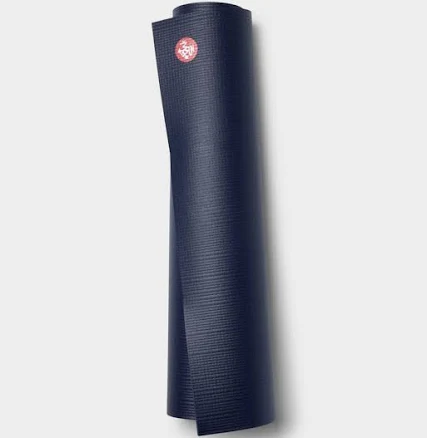
- closed-cell PVC-free foam, rubber top
- A third party reports verifying it as PFAS-free
- Formaldehyde / VOCs
3 hazards checked on this product, all on its full breakdown.
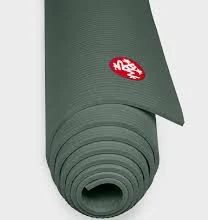
Manduka
Almost Perfect PROlite Yoga Mat
- Natural rubber and PVC, no Teflon-family coating
- A third party reports verifying it as PFAS-free
- Volatile organic compounds (VOCs) from natural rubber
More yoga & exercise mats grades
How we score, every product runs through the same public 0-100 rubric based on materials, coatings, brand disclosure, lab findings, and recalls. See the full methodology → Spotted a mistake? Report an error.