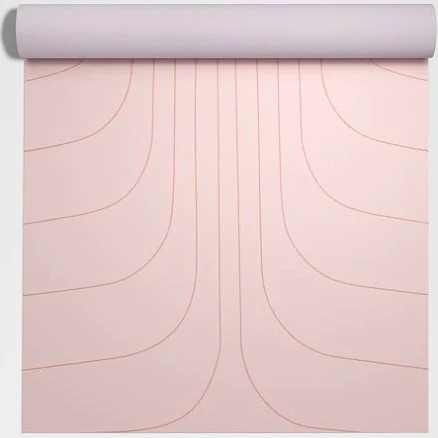
Lululemon · Yoga & Exercise Mats
lululemon Align Yoga Mat 5mm Made With Fsc Certified Rubber
Low PFAS risk, but brand offers no public assurance.
Natural rubber yoga mats carry lower PFAS concern than synthetic foams or treated surfaces. Lululemon provides no PFAS disclosure for this product.
We flunk more products than we pass. This one earned its grade. How we grade
Material
FSC certified natural rubber
Lab data
No public lab test
You may also be interested in
Top-graded picks in the categories readers replace first, every one scored on the same rubric.

Aqua Pure
3M Aqua-Pure AP802B Whole House Filter Housing
- polypropylene filter housing, carbon/sediment cartridge
- We found no PFAS statement from the brand
- Bacterial growth in spent cartridges
3 hazards checked on this product. See all of them.

Aquasure
Premier Series 75 GPD Under Sink Reverse Osmosis Water Filtration System
- RO membrane, carbon filters, stainless steel housing
- We found no PFAS statement from the brand
- Bacterial and microbial growth in housing and filters
4 hazards checked on this product. See all of them.

Avocado
Vegan Mattress
- organic cotton, natural latex, coconut coir, recycled steel coils
- The brand calls it PFAS-free, which we have not verified
- Heavy metals
2 hazards checked on this product. See all of them.
What lululemon Align Yoga Mat 5mm Made is made of, ingredients and materials
This mat is constructed from FSC-certified natural rubber, a material derived from rubber tree latex rather than petroleum-based synthetics. Natural rubber does not rely on Teflon-type coating or synthetic polymer coatings to achieve grip or durability, reducing the risk of fume release during heating or aging. The 5mm thickness is typical for yoga mats and provides cushioning without requiring flame retardant treatments common in thicker foam products. FSC certification indicates forestry oversight, though this addresses supply-chain sustainability rather than chemical safety directly.
What’s concerning
Category baseline
The starting point for this type of product, before anything specific to this product is counted.
No PFAS disclosure
No public statement from the brand about PFAS in this product.
Volatile organic compound (VOC) off-gassing
Natural rubber can off-gas low levels of volatile sulfur compounds and other VOCs, particularly when new; this is generally mild and dissipates within days to weeks with airing. Lululemon provides no off-gassing test data or initial-use ventilation guidance.
Coating degradation and microplastic release
Natural rubber does degrade over years with use, heat, and UV exposure, potentially shedding rubber particles. This is a wear-and-tear issue rather than a manufacturing defect; replacement every 1-2 years of regular use is typical for yoga mats.
What’s reassuring
Base material not linked to PFAS
The main material recorded for this product is not one associated with PFAS.
Formaldehyde / VOCs
Natural rubber does not inherently require formaldehyde-based resins or binders for structural integrity. No recalls, warnings, or test data on record linking Lululemon Align mats to formaldehyde release.
Source, ATSDR ↗Flame retardants
Natural rubber mats of this thickness do not typically require flame-retardant additives to meet consumer product safety standards. Lululemon has not disclosed flame-retardant use for this mat; none has been reported or recalled.
Source, EPA ↗Talc or asbestos contamination
Talc is not a standard ingredient in natural rubber mats. No contamination reports or recalls have been issued for Lululemon Align mats.
The full breakdown
The brand's record and disclosure
Lululemon does not publish comprehensive chemical disclosures or safety test results for this mat on its website or marketing materials. The brand has not publicly addressed PFAS use, formaldehyde, or heavy metals in its yoga mats. Lululemon holds ISO 9001 and other operational certifications but does not highlight third-party material testing for this product. The brand's silence on chemical content is consistent with most athletic apparel and accessory manufacturers, but contrasts with some competitors who provide GOTS, OEKO-TEX, or similar certifications that include chemical testing.
How it compares in its category
Natural rubber mats generally carry lower off-gassing and flame-retardant concerns than PVC, EVA foam, or TPE alternatives, which often require antimicrobial or flame-retardant additives. Lululemon's mat costs more than commodity foam mats but sits in the mid-to-premium range; competitors like Manduka (natural rubber with OEKO-TEX certification) and Jade offer similar materials with more transparent chemical testing. This mat's lack of documented coating treatments is an advantage over rubberized polyester or adhesive-laminated designs that may off-gas VOCs or formaldehyde.
If you buy it
Use the mat on a clean, dry surface away from direct heat sources and prolonged UV exposure, which can degrade natural rubber over time. Natural rubber can absorb odors and moisture; air-dry it flat or rolled loosely after use, and store in a cool, dark space. Do not machine wash or expose to solvents, as these can break down the material. Replace the mat if you notice cracking, sticky residue, or persistent odor that does not fade with airing, as these suggest material degradation.
What we don’t know
- Basis
- Model estimate, 82% confidence, not a lab result
- Lab test
- None on record for this exact product
- Brand statement
- Lululemon has made a specific claim
Formulations change between production runs, so check the current label. How we grade.
Better-graded alternatives in Yoga & Exercise Mats
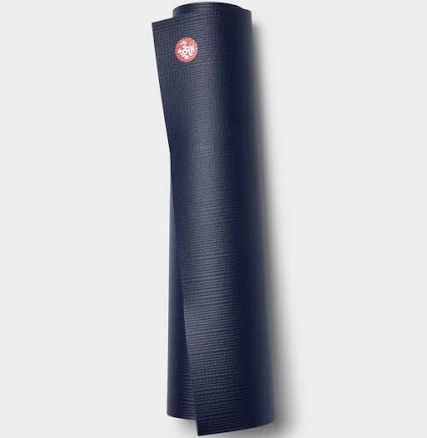
Manduka
Almost Perfect PRO Yoga Mat
- closed-cell PVC-free foam, rubber top
- A third party reports verifying it as PFAS-free
- Formaldehyde / VOCs
3 hazards checked on this product. See all of them.
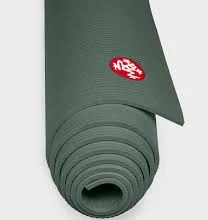
Manduka
Almost Perfect PROlite Yoga Mat
- Natural rubber and PVC, no Teflon-family coating
- A third party reports verifying it as PFAS-free
- Volatile organic compounds (VOCs) from natural rubber
More yoga & exercise mats grades
How we score, every product runs through the same public 0-100 rubric based on materials, coatings, brand disclosure, lab findings, and recalls. See the full methodology → Spotted a mistake? Report an error.