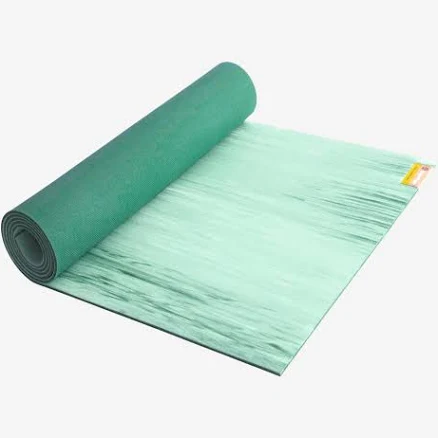
Hugger Mugger · Yoga & Exercise Mats
Hugger Mugger Para Rubber Yoga Mat
Lower concern. Material as recorded is not linked to PFAS.
This yoga mat is made from natural rubber, a material not associated with PFAS. The brand has no PFAS statement on record.
We flunk more products than we pass. This one earned its grade. How we grade
Material
Natural rubber (para rubber)
Brand disclosure
Brand is silent on PFAS
Lab data
No public lab test
You may also be interested in
Top-graded picks in the categories readers replace first, every one scored on the same rubric.

- polypropylene filter housing, carbon/sediment cartridge
- We found no PFAS statement from the brand
- Bacterial growth in spent cartridges
3 hazards checked on this product, all on its full breakdown.

Aquasure
Premier Series 75 GPD Under Sink Reverse Osmosis Water Filtration System
- RO membrane, carbon filters, stainless steel housing
- We found no PFAS statement from the brand
- Bacterial and microbial growth in housing and filters
4 hazards checked on this product, all on its full breakdown.

Avocado
Vegan Mattress
- organic cotton, natural latex, coconut coir, recycled steel coils
- The brand calls it PFAS-free, which we have not verified
- Heavy metals
2 hazards checked on this product, all on its full breakdown.
What Hugger Mugger Para Rubber Yoga Mat is made of, ingredients and materials
Hugger Mugger Para Rubber mats are made from natural rubber harvested from rubber trees, not synthetic polymers. Natural rubber contains no Teflon-type coating, BPA, phthalates, or other synthetic chemical additives inherent to PVC or TPE yoga mats. The material is biodegradable and does not off-gas volatile organic compounds (VOCs) that commonly occur in petroleum-based foam or synthetic rubber alternatives.
What’s concerning
Category baseline
The starting point for this type of product, before anything specific to this product is counted.
No PFAS disclosure
No public statement from the brand about PFAS in this product.
Natural rubber allergic sensitization
A small percentage of users may have latex allergy or sensitivity to proteins in natural rubber. Those with known latex sensitivity should avoid or test cautiously, though reaction rates to yoga mats are low compared to medical latex products.
Mold and bacterial growth
Natural rubber can retain moisture if not dried promptly after use or stored in humid conditions, potentially supporting mold or mildew growth. Proper ventilation and occasional cleaning mitigate this risk effectively.
What’s reassuring
Base material not linked to PFAS
The main material recorded for this product is not one associated with PFAS.
Volatile organic compounds (VOCs) and off-gassing
Natural rubber does not require synthetic foam or petroleum-based binders that typically release VOCs. No off-gassing concerns are documented for natural para rubber yoga mats.
Flame retardants
Natural rubber is not treated with brominated or phosphorus-based flame retardants used in synthetic foam furniture. Hugger Mugger para rubber mats are not known to contain added flame retardant chemicals.
Source, EPA ↗Heavy metals
Natural rubber mats typically use minimal adhesives, and no credible reports indicate lead, cadmium, or other heavy metals in Hugger Mugger para rubber products or their construction.
Source, FDA ↗How is this PFAS grade calculated?
The brand's record and disclosure
Hugger Mugger is an established yoga brand founded in 1980 with a focus on natural materials and environmental responsibility. The company does not publicly disclose detailed chemical testing or third-party certifications (such as OEKO-TEX or GreenGuard), though their use of natural para rubber aligns with their stated sustainability positioning. No recalls or safety controversies are on record for this product line.
How it compares in its category
Natural rubber yoga mats show lower concern for chemical off-gassing and synthetic additive content compared to PVC, TPE, and polyurethane alternatives. They are heavier and less cushioned than foam mats, making them better for stability but less forgiving on joints. Pricing is typically mid-to-premium, reflecting the material cost and durability.
If you buy it
Store the mat in a cool, dry location away from direct sunlight and heat to prevent natural rubber degradation and odor development. Clean with mild soap and water; avoid harsh solvents that can degrade rubber. Over 2-5 years, natural rubber mats may develop surface cracks or slight deterioration depending on use frequency and storage conditions. The mat may emit a mild rubber smell when new, which typically dissipates after a few days of airing out.
What is not known about PFAS in this product?
- Basis
- Model estimate, 78% confidence, not a lab result
- Lab test
- None on record for this exact product
- Brand statement
- Hugger Mugger has made none
Formulations change between production runs, so check the current label. How we grade.
What are the PFAS-free alternatives to Hugger Mugger Para Rubber Yoga Mat?
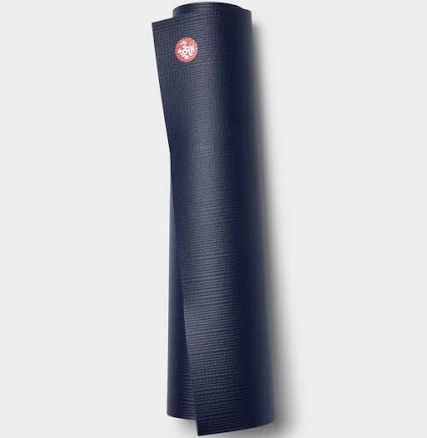
- closed-cell PVC-free foam, rubber top
- A third party reports verifying it as PFAS-free
- Formaldehyde / VOCs
3 hazards checked on this product, all on its full breakdown.
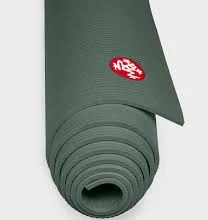
Manduka
Almost Perfect PROlite Yoga Mat
- Natural rubber and PVC, no Teflon-family coating
- A third party reports verifying it as PFAS-free
- Volatile organic compounds (VOCs) from natural rubber
More yoga & exercise mats grades
How we score, every product runs through the same public 0-100 rubric based on materials, coatings, brand disclosure, lab findings, and recalls. See the full methodology → Spotted a mistake? Report an error.