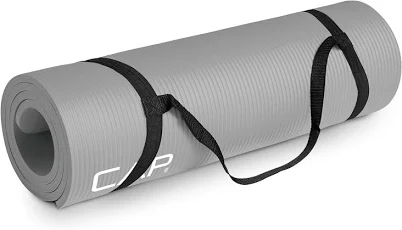
CAP Barbell · Yoga & Exercise Mats
CAP 1/2-Inch High Density Exercise Yoga Mat with Strap knee pad
Lower concern. Foam yoga mats rarely contain PFAS unless treated.
Exercise mats are typically made from NBR or natural rubber foam without water-resistant coatings. No public evidence of PFAS use in CAP Barbell yoga mats.
We flunk more products than we pass. This one earned its grade. How we grade
Material
NBR foam, polyester strap
Brand disclosure
Brand is silent on PFAS
Lab data
No public lab test
You may also be interested in
Top-graded picks in the categories readers replace first, every one scored on the same rubric.

- polypropylene filter housing, carbon/sediment cartridge
- We found no PFAS statement from the brand
- Bacterial growth in spent cartridges
3 hazards checked on this product, all on its full breakdown.

Aquasure
Premier Series 75 GPD Under Sink Reverse Osmosis Water Filtration System
- RO membrane, carbon filters, stainless steel housing
- We found no PFAS statement from the brand
- Bacterial and microbial growth in housing and filters
4 hazards checked on this product, all on its full breakdown.

Avocado
Vegan Mattress
- organic cotton, natural latex, coconut coir, recycled steel coils
- The brand calls it PFAS-free, which we have not verified
- Heavy metals
2 hazards checked on this product, all on its full breakdown.
What CAP 1/2-Inch High Density Strap knee pad is made of, ingredients and materials
This mat is NBR (nitrile butadiene rubber) foam, a synthetic rubber that is chemically stable and does not off-gas significant volatile organic compounds under normal room-temperature use. NBR is denser and more durable than PVC, making it a common choice for exercise mats because it resists compression and does not require plasticizers like phthalates that soften cheaper alternatives. The polyester strap is a woven fabric with minimal leaching risk at rest. Overall, NBR foam has lower concern compared to other foam-based mat materials.
What’s concerning
Category baseline
The starting point for this type of product, before anything specific to this product is counted.
No PFAS disclosure
No public statement from the brand about PFAS in this product.
VOC off-gassing from foam
NBR foam is relatively stable but may emit minor volatile compounds, especially when new or if heated. Off-gassing risk is low with this material class compared to PVC, but new mats should be aired out for 24-48 hours before use in poorly ventilated rooms.
Coating or surface degradation over time
NBR foam mats may develop surface peeling or flaking with age and heavy use, particularly if exposed to moisture or UV light. Worn surfaces pose a microabrasion risk rather than toxicity, but replacement is recommended if structural breakdown is visible.
What’s reassuring
Base material not linked to PFAS
The main material recorded for this product is not one associated with PFAS.
Flame retardants
No documentation of flame retardant application to CAP Barbell yoga mats. Yoga mats are not typically required to meet furniture flammability standards, and NBR foam itself is moderately fire-resistant without added chemicals.
Source, EPA ↗Formaldehyde / VOCs
NBR foam does not require formaldehyde-based adhesives in standard manufacturing. The polyester strap may contain trace formaldehyde resins from weaving processes, but this is minimal and not a documented concern for this product line.
Source, ATSDR ↗Heavy metals
Antimony is used as a catalyst in polyester production but typically remains bound in the polymer matrix and does not leach under normal mat use. No testing or recalls for antimony migration from CAP Barbell straps exist in public records.
Source, FDA ↗How is this PFAS grade calculated?
The brand's record and disclosure
CAP Barbell is a budget fitness equipment manufacturer with no documented recalls or safety controversies specific to yoga mats in public records. The brand does not publish detailed material safety data sheets or third-party certifications (such as Oeko-Tex or GreenGuard) for this product line, which is typical for mid-range equipment manufacturers. No formaldehyde, heavy metal, or flame retardant violations have been established for CAP yoga mats.
How it compares in its category
NBR foam mats sit in the middle tier of safety and durability for yoga/exercise mats. NBR mats show lower concern regarding phthalate content and off-gassing compared to low-cost PVC mats, though they lack the premium certifications of high-end brands using natural rubber or certified NBR with full transparency. CAP's pricing suggests cost-optimized manufacturing, but NBR itself is not inherently problematic, making this a reasonable cost-to-safety trade-off.
If you buy it
Store the mat in a cool, dry place away from direct sunlight and heat sources above 60 degrees Celsius, as foam degradation accelerates with temperature. Rinse with mild soap and water; avoid harsh solvents that can degrade the foam structure. Inspect every 6-12 months for surface cracks, peeling coating, or soft spots. Replace if structural integrity visibly deteriorates, typically after 2-3 years of regular use depending on frequency and care.
What is not known about PFAS in this product?
- Basis
- Model estimate, 78% confidence, not a lab result
- Lab test
- None on record for this exact product
- Brand statement
- CAP Barbell has made none
Formulations change between production runs, so check the current label. How we grade.
What are the PFAS-free alternatives to CAP 1/2-Inch High Density Exercise Yoga Mat with Strap knee pad?
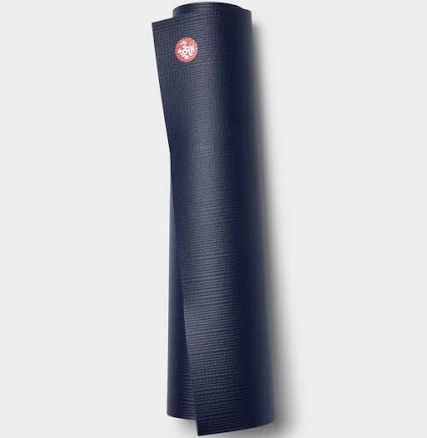
- closed-cell PVC-free foam, rubber top
- A third party reports verifying it as PFAS-free
- Formaldehyde / VOCs
3 hazards checked on this product, all on its full breakdown.
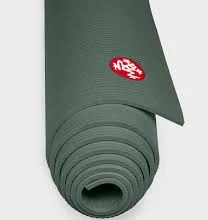
Manduka
Almost Perfect PROlite Yoga Mat
- Natural rubber and PVC, no Teflon-family coating
- A third party reports verifying it as PFAS-free
- Volatile organic compounds (VOCs) from natural rubber
More yoga & exercise mats grades
How we score, every product runs through the same public 0-100 rubric based on materials, coatings, brand disclosure, lab findings, and recalls. See the full methodology → Spotted a mistake? Report an error.