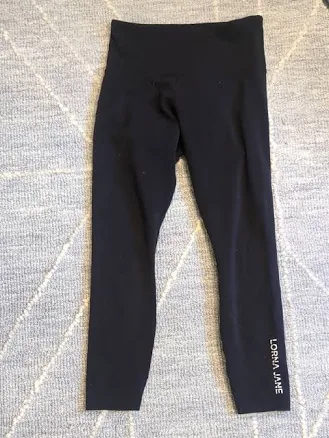
Womens Lorna Jane Lotus Leggings
Lower concern; basic synthetic athletic wear without active treatments.
Lorna Jane leggings are nylon-blend activewear with no known water-repellent coating or stain-resistant coatings. Brand makes no PFAS claims or disclosures; synthetic fibers carry modest PFAS risk only if treated, which is undisclosed.
Still want this one anyway? Check the price on Amazon. We’d swap it.
Material
Nylon blend (synthetic fiber, likely nylon/spandex)
Brand disclosure
Brand is silent on PFAS
Lab data
No public lab test
You may also be interested in
Top-graded picks in the categories readers replace first, every one scored on the same rubric.

Aqua Pure
3M Aqua-Pure AP802B Whole House Filter Housing
- polypropylene filter housing, carbon/sediment cartridge
- We found no PFAS statement from the brand
- Bacterial growth in spent cartridges
3 hazards checked on this product. See all of them.

Aquasure
Premier Series 75 GPD Under Sink Reverse Osmosis Water Filtration System
- RO membrane, carbon filters, stainless steel housing
- We found no PFAS statement from the brand
- Bacterial and microbial growth in housing and filters
4 hazards checked on this product. See all of them.

Avocado
Vegan Mattress
- organic cotton, natural latex, coconut coir, recycled steel coils
- The brand calls it PFAS-free, which we have not verified
- Heavy metals
2 hazards checked on this product. See all of them.
What Womens Lorna Jane Lotus Leggings is made of, ingredients and materials
Lorna Jane Lotus Leggings are a nylon/spandex blend, a common synthetic base for athletic wear. Nylon itself is stable and does not naturally leach endocrine disruptors like BPA, but the dyeing and finishing processes applied during manufacturing carry the primary safety considerations. Spandex (elastane) is chemically inert in finished form and does not off-gas significantly at body temperature. The real risk vectors are residual chemicals from production and dyes rather than the polymers themselves.
What’s concerning
Category baseline
The starting point for this type of product, before anything specific to this product is counted.
No PFAS disclosure
No public statement from the brand about PFAS in this product.
Heavy metals
Nylon readily absorbs synthetic dyes; restricted azo dyes can break down into aromatic amines under sweat and friction. No testing data published for Lorna Jane specifically, but this is a known risk in non-certified athletic wear. Darker colors (black, navy) carry higher dye load.
Source, FDA ↗Formaldehyde / VOCs
Athletic nylon may be treated with formaldehyde-based resins for shape retention and wrinkle resistance during manufacturing. Off-gassing is typically minimal in finished wear, but new items may retain trace amounts. Pre-washing substantially reduces this.
Source, ATSDR ↗Microfiber shedding during washing
Nylon leggings shed microplastics during laundering, particularly at higher temperatures and with friction. This is a wear-and-tear issue, not a manufacturing defect, and affects the entire category. Washing in cold water and using a mesh laundry bag reduces shedding by 25-45%.
Spandex degradation and elastic failure
Spandex loses elasticity over time (typically 2-3 years with regular wear) and faster with heat, bleach, or high pH detergents. As elastic fibers degrade, micro-tears may increase fiber shedding. Regular laundry practices extend lifespan and reduce this risk.
What’s reassuring
Base material not linked to PFAS
The main material recorded for this product is not one associated with PFAS.
Antimony in polyester / synthetic fibers
Antimony is a known catalyst in polyester production but nylon uses different catalysts. No established risk for nylon-spandex blends. Not a concern for this material composition.
The full breakdown
The brand's record and disclosure
Lorna Jane is an Australian activewear brand with limited public disclosure on chemical safety testing or third-party certifications such as OEKO-TEX or bluesign. The brand maintains no published stance on formaldehyde resins, azo dye restrictions, or heavy metal testing in colorants. No significant recalls or safety controversies have been established in public records for this product line. The silence on chemical disclosure is typical of mainstream athletic brands but does not indicate active harm.
How it compares in its category
Nylon-spandex leggings are a baseline choice in athletic wear and sit in the middle ground, they lack the premium certifications of OEKO-TEX or Global Organic Textile Standard (GOTS) certified brands, but also lack the advanced synthetic finishes (water-repellent coatings, antimicrobial treatments) that introduce additional chemical exposure. Direct competitors like Lululemon and Gymshark similarly avoid broad chemical disclosure despite higher price points. Lorna Jane's transparency is comparable to mass-market athletic wear.
If you buy it
Wash new leggings before first wear to remove residual dyes and finishing agents; use cool to warm water (60-90°F / 15-32°C) and avoid hot water, which can accelerate spandex breakdown and fiber shedding. Wash inside out to reduce color loss and pilling. Do not bleach or use fabric softeners, as these can degrade elastane and leave chemical residues. Air dry to preserve elastic integrity; machine drying degrades spandex faster and concentrates any residual chemicals through heat.
What we don’t know
- Basis
- Model estimate, 72% confidence, not a lab result
- Lab test
- None on record for this exact product
- Brand statement
- Lorna Jane has made none
Formulations change between production runs, so check the current label. How we grade.
More activewear grades
How we score, every product runs through the same public 0-100 rubric based on materials, coatings, brand disclosure, lab findings, and recalls. See the full methodology → Spotted a mistake? Report an error.