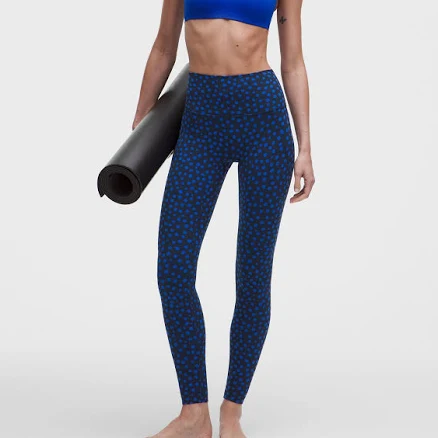
lululemon Align Leggings Women's No Line High-Rise Pant 28
Lower concern. No waterproof treatment typical for stretch leggings.
Align leggings are primarily nylon and spandex without documented water-resistant or stain-resistant coatings, reducing PFAS risk. Lululemon does not disclose PFAS management; no independent testing available.
Still want this one anyway? Check the price on Amazon. We’d swap it.
Material
Nylon, Lycra spandex blend
Lab data
No public lab test
You may also be interested in
Top-graded picks in the categories readers replace first, every one scored on the same rubric.

Aqua Pure
3M Aqua-Pure AP802B Whole House Filter Housing
- polypropylene filter housing, carbon/sediment cartridge
- We found no PFAS statement from the brand
- Bacterial growth in spent cartridges
3 hazards checked on this product. See all of them.

Aquasure
Premier Series 75 GPD Under Sink Reverse Osmosis Water Filtration System
- RO membrane, carbon filters, stainless steel housing
- We found no PFAS statement from the brand
- Bacterial and microbial growth in housing and filters
4 hazards checked on this product. See all of them.

Avocado
Vegan Mattress
- organic cotton, natural latex, coconut coir, recycled steel coils
- The brand calls it PFAS-free, which we have not verified
- Heavy metals
2 hazards checked on this product. See all of them.
What lululemon Align Leggings Women's No Line is made of, ingredients and materials
Lululemon Align leggings use a nylon and Lycra spandex blend, a common high-performance textile pairing. Nylon itself is a synthetic polymer without inherent toxicity concerns at wear, though its production uses chemical intermediates. Lycra (spandex) is similarly stable in finished form. The 'Align' product line is marketed as untreated for maximum breathability, meaning minimal chemical finishing that could introduce formaldehyde resins or problematic dyes.
What’s concerning
Category baseline
Clothing is a category where PFAS exposure is more common.
No PFAS disclosure
No public statement about PFAS in this product.
Antimony in polyester/nylon
While nylon itself does not typically contain antimony catalysts (a polyester concern), trace metals in industrial dyes or pigments are not disclosed. Risk is low for a basic black or neutral-colored legging but unknown without material testing.
Microfiber shedding and degradation
All synthetic stretch fabrics shed microfibers when washed and worn. Nylon-spandex blends are prone to pilling and coating breakdown over time, accelerating release. This is a use-phase hazard, not a manufacturing one, and is not specific to Lululemon.
What’s reassuring
Base material not linked to PFAS
Made from a material with no inherent PFAS use (ceramic, mineral, or natural fiber).
Azo dyes and dye residue
No recalls or third-party testing published for Align leggings. Standard nylon-spandex textiles are dyed with azo or reactive dyes; potential for migration is low in finished form but unconfirmed by Lululemon.
Formaldehyde / VOCs
Align marketing emphasizes minimal chemical finish for stretch and breathability, suggesting low formaldehyde-resin use. No published independent testing or certification (like Oeko-Tex) available for this product.
Source, ATSDR ↗Heavy metals
No third-party certification or independent testing on record. Standard industry practice avoids lead and cadmium in apparel dyes, but no brand commitment publicly stated by Lululemon for this line.
Source, FDA ↗The full breakdown
The brand's record and disclosure
Lululemon does not publicly disclose detailed chemical composition, PFAS testing, or restricted substance lists for individual products, though the brand has faced scrutiny for labor and supply-chain transparency. The company has not announced PFAS reduction commitments or third-party chemical certifications (like BLUESIGN or GOTS) for stretch leggings. No major chemical hazard recalls on record for this specific product line or material composition.
How it compares in its category
Align leggings sit at the premium end of stretch leggings but do not differentiate on chemical safety; competitors like Athleta and Girlfriend Collective also avoid disclosing detailed chemical profiles. Brands with Bluesign certification or Oeko-Tex Standard 100 labeling provide third-party assurance absent here. Most nylon-spandex leggings, including mass-market alternatives, carry similar undisclosed chemical risks.
If you buy it
Wash in cool or warm water (not hot) before first wear to reduce any residual dyes or finishes. Avoid high heat drying; air-dry or use low tumble settings to preserve spandex elasticity and avoid polymer degradation. Inspect seams and coating annually for pilling or breakdown; retire if structural integrity declines. Do not bleach or use harsh detergents, which can accelerate material fatigue and potential microfiber shedding.
What we don’t know
- Basis
- Model estimate, 70% confidence, not a lab result
- Lab test
- None on record for this exact product
- Brand statement
- Lululemon has made a specific claim
Formulations change between production runs, so check the current label. How we grade.
More activewear grades
How we score, every product runs through the same public 0-100 rubric based on materials, coatings, brand disclosure, lab findings, and recalls. See the full methodology → Spotted a mistake? Report an error.