Lululemon · Sports Performance Undergarments
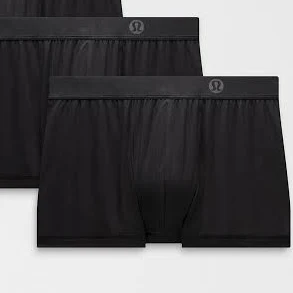
lululemon Always In Motion Boxer Brief 3" 5 Pack
Lower concern. Soft fabric, no water-repellent coating disclosed.
These basic nylon-elastane boxer briefs have no water-resistant or stain-resistant treatment applied. Without added coatings, the fabric carries lower inherent PFAS risk.
Still want this one anyway? Check the price on Amazon. We’d swap it.
Material
nylon/elastane blend, no stated treatment
Lab data
No public lab test
What lululemon Always In Motion Boxer Brief 3" is made of, ingredients and materials
This product is a nylon/elastane (spandex) blend with no disclosed chemical treatments or water-repellent coatings. Nylon and elastane are synthetic polymers that are stable at typical wear and wash temperatures and do not readily leach additives into skin under normal use. The absence of a water-repellent coating (water-repellent coating) coating means no PFOA, PFOS, or related fluorinated compounds are likely present from that source. The simple fiber composition makes this a lower-risk garment in the chemical additives category.
What’s concerning
Category baseline
The starting point for this type of product, before anything specific to this product is counted.
No PFAS disclosure
No public statement from the brand about PFAS in this product.
Antimony in polyester/nylon
Antimony can be used as a catalyst in nylon polymerization. Lululemon does not disclose antimony content or testing. Antimony leaching from intact fibers to skin is theoretically minimal, but no public testing confirms absence in this specific product.
Microplastic shedding from synthetic fibers
All nylon and elastane textiles shed microfibers during wear and washing. This is an unavoidable feature of synthetic athletic fabrics, not a failure specific to Lululemon. Washing in a mesh bag or filter-equipped machine can marginally reduce environmental release.
Elastane (spandex) degradation and chemical leaching
Elastane degrades under UV light, heat, and chlorine exposure, potentially releasing oligomers into sweat. Lululemon does not test or disclose degradation byproducts. Risk is low during normal wear; risk increases after years of sun exposure or frequent chlorinated pool use.
What’s reassuring
Base material not linked to PFAS
The main material recorded for this product is not one associated with PFAS.
Azo dyes
Lululemon does not disclose dye chemistry for this product. No azo dye violations or recalls are on record for their basics line. Standard commercial nylon dyeing may use azo dyes, but health risk from skin contact with cured dye is minimal; however, third-party testing would be required to confirm absence.
Formaldehyde / VOCs
No water-repellent or wrinkle-resistant treatment is stated. Untreated nylon and elastane do not typically receive formaldehyde-releasing finishes. Risk is low unless the product has undisclosed shrink-resist or shape-retention treatment.
Source, ATSDR ↗The full breakdown
The brand's record and disclosure
Lululemon does not publicly disclose PFAS testing results or policies on their website, which is consistent with most apparel brands and does not indicate misconduct. The company holds no major chemical safety certifications (such as OEKO-TEX or GOTS) that would provide third-party chemical verification. No significant recalls or chemical contamination incidents have been documented for Lululemon basics in public records. The brand's silence reflects an industry-wide gap in transparency rather than a specific red flag for this product.
How it compares in its category
Untreated nylon/elastane boxer briefs are standard across athletic apparel; Lululemon's version does not differ materially from competitors like Nike, Under Armour, or Hanes in chemical risk profile. Most mainstream athletic underwear skips water-repellent finishes, making PFAS exposure unlikely across the category. Certified organic or OEKO-TEX-labeled alternatives (e.g., some Patagonia or specialty brands) offer higher transparency but command a significant price premium. This product sits in the middle, acceptable risk, typical disclosure gaps.
If you buy it
Wash in warm water with standard detergent; nylon and elastane tolerate 40-60C (104-140F) without degradation or chemical release. Do not tumble dry on high heat, as sustained temperatures above 70C can degrade elastane fibers and theoretically increase microplastic shedding risk over many wash cycles. Replace after 2-3 years of regular wear or when elasticity noticeably declines. Standard care poses no acute chemical hazard; the main concern is microplastic accumulation from normal wear and washing, which applies to all synthetic textiles.
What we don’t know
- Basis
- Model estimate, 72% confidence, not a lab result
- Lab test
- None on record for this exact product
- Brand statement
- Lululemon has made a specific claim
Formulations change between production runs, so check the current label. How we grade.
More sports performance undergarments grades
How we score, every product runs through the same public 0-100 rubric based on materials, coatings, brand disclosure, lab findings, and recalls. See the full methodology → Spotted a mistake? Report an error.